Dear Reader,
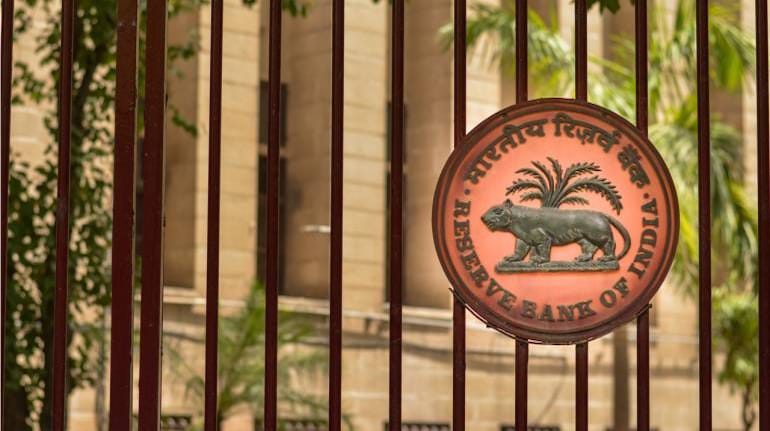
The Reserve Bank of India’s Systemic Risk Survey, conducted in May 2022, tells us about the major risks faced by the Indian financial system. Global and financial market risks are both classified as ‘high risk’ and increasing. Institutional risks, such as asset quality deterioration and capital requirement of banks, are in the ‘medium’ risk bucket, as are general risks such as climate-related or social unrest risks.
Among global risks, growth concerns, commodity prices, geopolitics and monetary tightening in advanced economies are all classified as high risk. Among financial market risks, the survey identified forex and equity market volatility and interest rate risks as high.
The main sources of uncertainty, though, emanate from the advanced economies, while emerging markets such as India are forced to face the consequences. As RBI governor Shaktikanta Das said in his foreword to the central bank’s latest Financial Stability Report, ‘Overall, the financial stability risks to the Indian economy are skewed towards global spillovers and geopolitical tensions. Nevertheless, the Indian financial system exhibits underlying robustness and resilience to withstand these shocks.’ This FT story, free to read for Moneycontrol Pro subscribers, says with pardonable exaggeration, ‘Developing countries live their economic lives at the mercy of the US Federal Reserve.’
At the moment, the RBI’s assessment seems correct, as borne out by the India Manufacturing Purchasing Managers Index (PMI) for June, which showed decent expansion from the previous month. It also showed a bit of relief on supply chain pressures, while both input and output price inflation cooled to 3-month lows. Nevertheless, the Manufacturing PMI reading was the weakest since last September and Pollyanna de Lima, Economics Associate Director at S&P Global Market Intelligence said, ‘there was a broad-based slowdown in growth across a number of measures such as factory orders, production, exports, input buying and employment as clients and businesses restricted spending amid elevated inflation.’ In other words, growth is going to slow.
In the RBI Systemic Risk Survey referred to above, while macroeconomic risk is in the ‘medium’ bucket, several of its components, such as domestic growth, inflation, capital outflows, current account deficit and fiscal deficit, were in the high risk category.
There are other indications that growth may be slowing. Our Economic Recovery Tracker showed consumer sentiment and employment deteriorating a bit. Our Monsoon Watch indicator showed 20 states have received deficient rainfall in the past four weeks. Electric two-wheeler sales are stuttering. A slow start to the monsoon has been frustrating for agro-chemical producers. The Bajaj Auto stock continues to face headwinds from sluggish sales, despite a buyback offer. Higher GST rates pose headwinds for consumption stocks, although they are experimenting with pack sizes and investors may accumulate some FMCG stocks at current levels.
Other stocks whose prospects we analysed this week included Clean Science and Technology, Endurance Tech, Persistent Systems, Relaxo Footwears, Colgate Palmolive, Repco Home Finance, RITES International and Crompton Greaves Consumer Electricals. We also took a close look at Zomato’s much-derided Blinkit acquisition here and here and also had a story on global M&A mega deals. IT companies’ defensive traits are holding up for now and their digital business could be a bulwark against the coming slowdown.
We also had our regular features: Start-Up Street—on the need for harmony between entrepreneurs and investors; Crypto Learn on stablecoins; The Green Pivot on how oil and gas companies can achieve the net zero goal; GuruSpeak, on how not finding a job you like could be a blessing in disguise; The Eastern Window on India’s stance at the BRICS virtual summit; and Personal Finance on how to choose the right critical illness cover. We also had a story on the political lessons to be drawn from the implosion of the Shiv Sena in Maharashtra.
In his foreword to the Financial Stability Report, Shaktikanta Das also flagged the risks arising from cryptocurrencies and fintech. On cryptos, he was absolutely scathing: ‘Cryptocurrencies are a clear danger. Anything that derives value based on make believe, without any underlying, is just speculation under a sophisticated name.’ On fintech, he said, ‘its potential to disrupt financial stability has to be guarded against.’ My colleague Neha Dave had already warned of the rising risk of regulatory intervention in this superb piece. We had also pointed out the dangers from BNPL and had said RBI must craft a new regulatory regime for the payments system.
While peak inflation is probably behind us, the markets are now worried about a recession in the US and Europe, which is why the US 10-year Treasury yield is back below 3 percent. The silver lining is that these fears have lowered oil prices too, although rupee depreciation is an offsetting factor, both for oil prices and inflation. Sentiment remains very bearish, which improves the chances of bear market rallies.
Financial conditions in the US are now as tight as they were back in 2011, at the time of the European sovereign debt crisis. Interestingly, though, the CME Fedwatch tool shows the market is expecting the Fed to pause interest rate hikes after December this year, when the Fed Funds rate is expected to be 3.25 to 3.5 percent and for the rate to start coming down in July next year.
Moneycontrol Pro columnist Ajay Bagga flags the US midterm elections in November 2022 and says markets are jittery in the run-up to the elections. But he also adds, ‘By then we expect the Fed rate hike cycle to have played out, inflation to be on a downward trend and markets to have stabilised.’
Cheers,
Manas Chakravarty

Discover the latest Business News, Sensex, and Nifty updates. Obtain Personal Finance insights, tax queries, and expert opinions on Moneycontrol or download the Moneycontrol App to stay updated!
Find the best of Al News in one place, specially curated for you every weekend.
Stay on top of the latest tech trends and biggest startup news.