






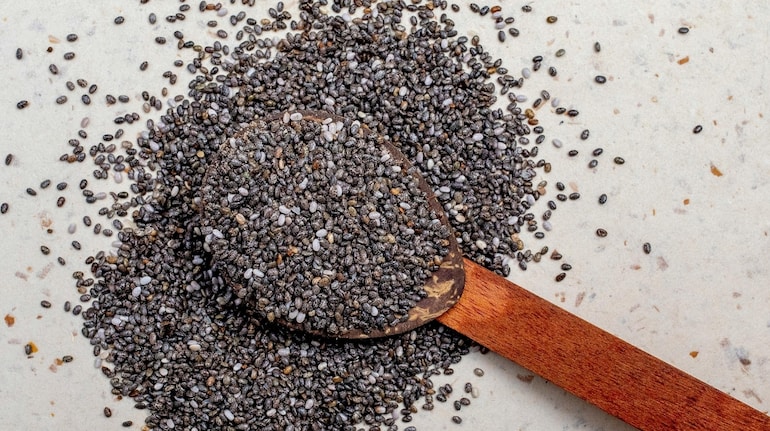

Dietary fibre is all about blood sugar, gut flora, heart health and long‑term wellness. Nevertheless, many people still fall short of recommended daily intakes. Harvard- and AIIMS‑trained doctor Saurabh Sethi recently took to Instagram to rate the best fibrous foods and bring some much‑needed clarity to what should be added to your diet and what might best be left behind.
Fibre is a class of plant carbohydrates that our bodies can’t digest, yet it plays a major role in health. Studies reveal that it adds bulk and water to stools, helping keep bowel movements regular and reducing constipation. According to the National Institutes of Health, soluble fibre, found in beans, seeds and fruits, can help lower LDL (“bad”) cholesterol and slow sugar absorption into the bloodstream, favourably influencing blood glucose levels.
Insoluble fibre, on the other hand, bulks up stool and speeds waste through the gut. Together, they support gut health and may lower risks of colorectal cancer, type 2 diabetes and heart disease. But not all sources are created equal. While chia seeds, flax seeds and guava win, white breads fail when it comes to fibre.
Also read | Boost gut health: 10 healthy habits to prevent bloating, constipation, irritable bowel syndrome
A post shared by Saurabh Sethi MD MPH | Gastroenterologist (@doctor.sethi)View this post on Instagram
Check out the Dr Sethi‑rated fibre champions and uncover why they work:
Guava is a juicy fruit with a surprising amount of both soluble and insoluble fibre, making it great for digestion and blood sugar stability. Its fibrous flesh feeds beneficial gut bacteria and helps regulate bowel function naturally.
Tiny but mighty, chia seeds are packed with fibre, much of it insoluble, which bulks up stool and promotes regularity. They also bring omega‑3s and aid sustained energy release.
Like chia, flax is rich in fibre – including some soluble that helps lower cholesterol, plus lignans with antioxidant benefits. Ground flax seeds are best for nutrient absorption.
Also read | Scientists discover hidden link between gut bacteria and vitamin B12, raising hope for probiotics
Lentils are legume powerhouses: lots of fibre and protein, slow‑burn carbs that keep you full and steady the blood sugar. They also feed gut microbes that produce health‑boosting short‑chain fatty acids.
Beans of all kinds top fibre charts; black beans offer both soluble and insoluble fibre along with micronutrients, supporting heart health and digestion.
This husk is nearly pure soluble fibre. It forms a gel in the gut, aiding bowel regularity and helping manage cholesterol and blood sugar when used with plenty of water.
Berries pack a double whammy of fibre and antioxidants. Both soluble and insoluble forms help digestion while delivering vitamins that support overall wellness.
Despite its ubiquity on breakfast tables, white bread has been stripped of most fibre during milling. It offers quick‑release carbs but little gut‑friendly substance, making it a poor choice for daily fibre goals.
According to Dr Sethi, a slice of typical white bread contains barely a gram of fibre. It can be because the refining process removes the bran and germ where fibre resides. As per studies in the NIH wholegrain breads contain more, but even then, breads pale next to unprocessed plant foods.
Numerous studies have shown that breads made with refined flour contribute little to fibre intake, while swapping in higher‑fibre choices boosts not just daily totals but the diversity of gut microbes that thrive on fibre. Swapping white bread for seeds, fruits and legumes could make all the difference.
Disclaimer: This article, including health and fitness advice, only provides generic information. Don’t treat it as a substitute for qualified medical opinion. Always consult a specialist for specific health diagnosis.
Discover the latest Business News, Sensex, and Nifty updates. Obtain Personal Finance insights, tax queries, and expert opinions on Moneycontrol or download the Moneycontrol App to stay updated!
Find the best of Al News in one place, specially curated for you every weekend.
Stay on top of the latest tech trends and biggest startup news.





