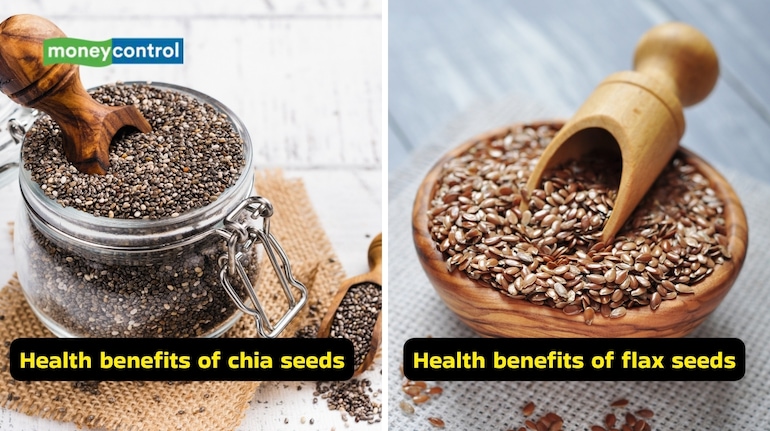

Seeds have gained popularity in recent years. They may be tiny, but they pack a punch of nutritional benefits. Out of the many varieties, chia seeds and flax seeds are highly popular. They both have a nutty flavour, fibre, Omega-3s, and offer plant-based protein that supports different functions in the body. Here’s more about their benefits…
Unlike what most people think, chia seeds are not a recent addition. Derived from the Salvia hispanica plant, which is native to Central America, they were widely consumed by the Aztecs and Mayans and have been part of the human diet for over 5,000 years. Their most popular varieties include black and white.
When it comes to nutrition, chia seeds are a rich source of soluble fibre, which aids digestion, lowers cholesterol, slows the absorption of sugar in the bloodstream, and keeps you full for longer. They are packed with antioxidants that help fight free radicals, thereby reducing the risk of inflammation and oxidative stress in the body. They also contain omega-3 fatty acids, calcium, and plant-based protein.
They are best consumed with liquid: water and yoghurtare two popular options. Many people add chia seeds to smoothies and puddings for breakfast. They absorb liquid and swell up, making them a great addition to recipes of all kinds. However, they shouldn’t be consumed raw, as they can cause digestive issues.
Flax seeds are tiny brown or golden-yellow seeds that come from the flax plant, native to the Mediterranean and Southwestern Asia.
When it comes to nutrition, they are no different from chia seeds. They provide high amounts of fibre and omega-3 fatty acids. They support bowel movement, are anti-inflammatory, protect heart health, and more. They also contain an antioxidant called lignans, which supports heart and bone health. These seeds are particularly beneficial for those with thyroid issues and help when incorporated as part of a balanced diet.
Unlike chia seeds, flax seeds can be consumed dry, as they don’t swell up or absorb as much liquid. Because they are crunchy, they can be used as toppings in just about anything: think breads, salads, and desserts. They can also be added to breakfast cereals, oats, smoothies, and many other recipes, making them both delicious and nutritious.
Disclaimer: This article, including health and fitness advice, only provides generic information. Don’t treat it as a substitute for qualified medical opinion. Always consult a specialist for specific health diagnosis.
Discover the latest Business News, Sensex, and Nifty updates. Obtain Personal Finance insights, tax queries, and expert opinions on Moneycontrol or download the Moneycontrol App to stay updated!
Find the best of Al News in one place, specially curated for you every weekend.
Stay on top of the latest tech trends and biggest startup news.