






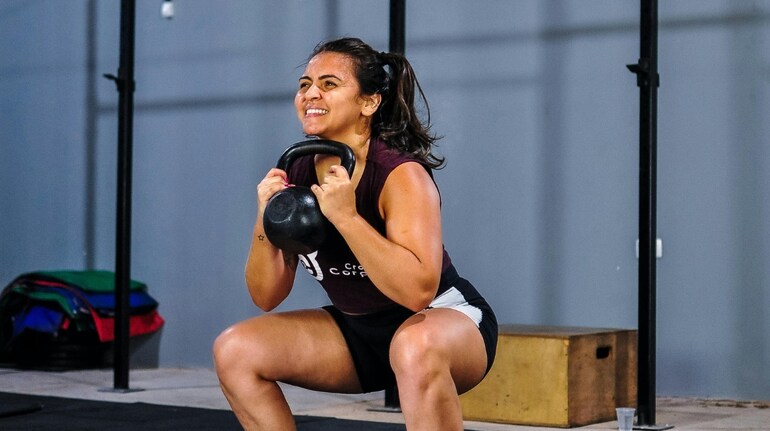

Everyday squat is the ideal exercise for meeting your workout goals while supporting a fitness on budget. This one exercise works several muscle groups, builds strength and improves overall fitness. If you stick with it, doing squats regularly can also lead to fascinating changes in body and metabolism.
Squats need little introduction of explanation in bodyweight training. You don't need equipment or much room and can modify them up or down for beginner to advanced athletes. Simple as they are, squats engage many of the body’s largest muscles — the quadriceps, hamstrings, glutes and core. Because they replicate ordinary activities such as sitting and standing, squats promote functional movement and the kind of stability we need in everyday life.
When done properly and added on slowly, squats can help lean muscle tone, range of motion in our joints and even rev up the metabolism. But technique is important to prevent any strain or injury. As per Bangaluru-based Dr Alok Verma, Sports Medicine Physician and Founder of Deccan Elite Sports Centre – a state-of-the-art multi-sports facility, if squats are part of your daily routine they can cause a transformation when practised mindfully. “The body adapts to compound movements in a surprisingly short time,” said the Doctor, referring specifically to squats. It’s not just to build up muscles — it improves balance, increases bone density and even circulation,” he says.
Knowing how squats affect your body — from muscle gain to hormonal response — can help you capitalize on the crucial exercise. So, let’s take a look at what really goes down when you decide to do squats every single day.
Squats work the thighs and butt. And with daily use, muscle fibres are stimulated and feel stronger and more energetic! Stronger leg muscles lead to better walking, climbing stairs and sports performance.
“By going through the squat regularly, you ensure that your body uses muscle efficiently so that your lower half can produce even more powerful pushes with less effort,” says the doctor.
Advantage: Stronger in function, more complete dumbbell sets and better physical fitness.
Squats are what a lot of people think when they hear the term “butt exercises.” The thing is, squats aren’t just about your legs; they also help make your midsection tight and hold in all that tummy fat. Sitting on squats with a good upright posture requires engaging the core, and as such helps strengthen the muscles supporting the spine.
Pros: Improved posture, lesser likelihood of lower back pain and enhanced balance.
“Squats work large muscle groups that require more energy. It burns more calories, and slightly increases resting metabolic rate over time. Compound exercises such as squats help with muscle building, and muscle tissue uses,” explains Dr. Verma.
Benefits: Helps reduce body fat when used in conjunction with a healthy eating plan.
Regular squatting increases flexibility in the hips, knees and ankles. Handling movement helps to increase blood flow into the joint which keeps things lubricated and not as stiff.
Pros: Decrease the risk of injury and improve mobility in everyday life.
Weight-bearing exercises, such as squats, put good stress on bones. This activates cells that build bone and could potentially aid in increasing bone density.
“As we age, it is really important to make sure our bones aren't weakened. Squats are good to prevent bone loss.
Good For: Lowering the risk of osteoporosis and fractures.
Active muscle engagement may lead to the release of growth hormone and testosterone (in both men and women). These are the hormones that help you repair muscles and give you overall energy.
Pros – better recovery and more energy.
Also read: Doctor says these 3 medicines can save a heart attack patient
Although they provide numerous benefits, daily squats with bad form can cause injury to the knees or lower back. Begin with bodyweight squats, make sure your knees track over your toes and don’t round your back. The cooldown days or modified options might be needed as recovery.
“Quality is always more important than quantity,” as Dr. Verma puts it. “Even 15–20 properly performed squats a day can make a difference.”
Adding squats to your daily routine is a small and simple step that will help you gain stronger muscles, better balance, more endurance and increased physical resilience over the long term.
Q. What muscles do squats target?
Squats primarily work the quadriceps, hamstrings, glutes, and calves. They also engage the core and lower back muscles for stability.
Q. Is it safe to do squats every day?
For most healthy individuals, bodyweight squats can be done daily in moderation. However, intense weighted squats every day may not allow enough recovery time.
Q. Can daily squats help tone the body?
Yes. Regular squats can strengthen and tone the lower body, especially the thighs and glutes.
Q. Do squats help with weight loss?
Squats are a compound exercise that burns calories and builds muscle, which can support weight management when combined with a balanced diet.
Q. Can squats improve posture?
Yes. Squats strengthen the core and lower back, which can help improve posture and stability.
Disclaimer: This article, including health and fitness advice, only provides generic information. Don’t treat it as a substitute for qualified medical opinion. Always consult a specialist for specific health diagnoses
Discover the latest Business News, Sensex, and Nifty updates. Obtain Personal Finance insights, tax queries, and expert opinions on Moneycontrol or download the Moneycontrol App to stay updated!
Find the best of Al News in one place, specially curated for you every weekend.
Stay on top of the latest tech trends and biggest startup news.





