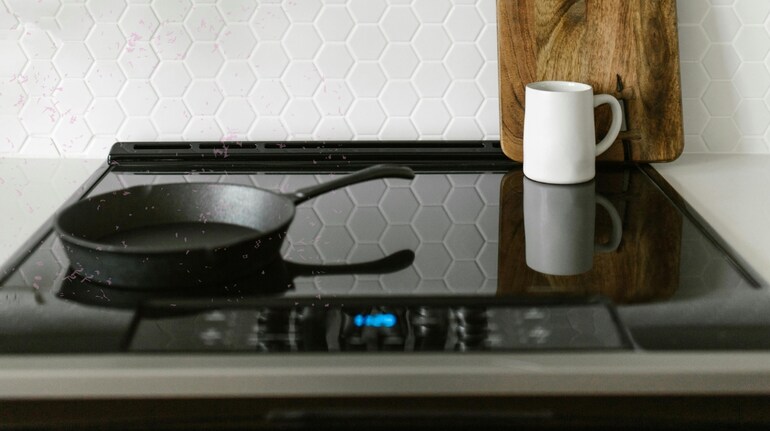

Cooking on induction stoves is fast, efficient and effective. To be able to cook on these stoves, one also needs induction-compatible cookware. Wondering what's the difference between induction-compatible cookware and regular cookware? For this you need to understand how induction stoves work.
On induction stoves, the heat required to cook food is generated when magnetic field interaction happens with electric currents produced in a induction-compatible cookware. Induction cooking is more efficient and faster also, as the heat is generated inside the vessel on the stove rather than outside it. Unlike conventional cooking, induction cooking doesn't rely on flames and heating elements such as coils.
These cookware items must be made from magnetic metals to produce electric currents inside the base of the vessel. It is only then the electric currents can interact with the magnetic field and produce heat eventually. The cookware items are typically made of, or contain ferromagnetic materials like cast iron, or stainless steel.
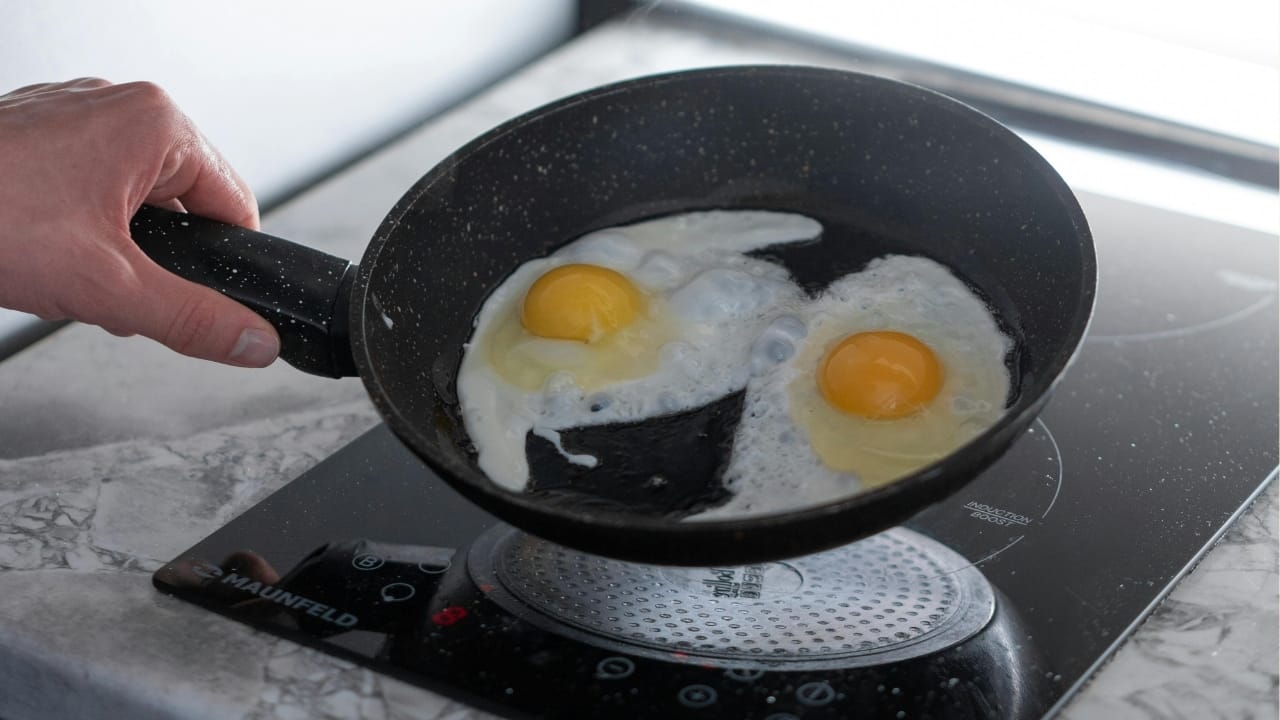 Induction cooking (Picture: Pexels)
Most utensils that are compatible for induction cooking bear an induction symbol on their base or packaging. Another way to test if a cookware is induction cooking compatible or not is by performing a magnetic test. If the magnet sticks to the bottom of the pan, it is compatible. An ideal induction cookware is the one where the magnet attaches securely to the bottom of the utensil. If it does, you can expect to enjoy fast and uniform heating.
Also read: Why Bihari cuisine is emerging as India’s next big food obsession
If you’re someone who is thinking to buy cookware items for induction cooking, then bearing a few things in mind will help. You must check heat retention capacity of the utensil and durability. The cookwares should have a flat and thick base. Ideally, the base should also match the size of the induction zone on the cooktop for efficient heating.
So, this type of utensil has a ferrous element at the base of it, making it easier for its interaction with the magnetic field. It is known for its heat retention property and this explains why it is used so extensively during cooking. It is also able to absorb heat and distribute it evenly.
This one is a category within stainless steel cookware. The surface of this cookware has magnetic properties, facilitating its interaction with electromagnetic field. This one has a BCC crystal structure and pure iron content also.
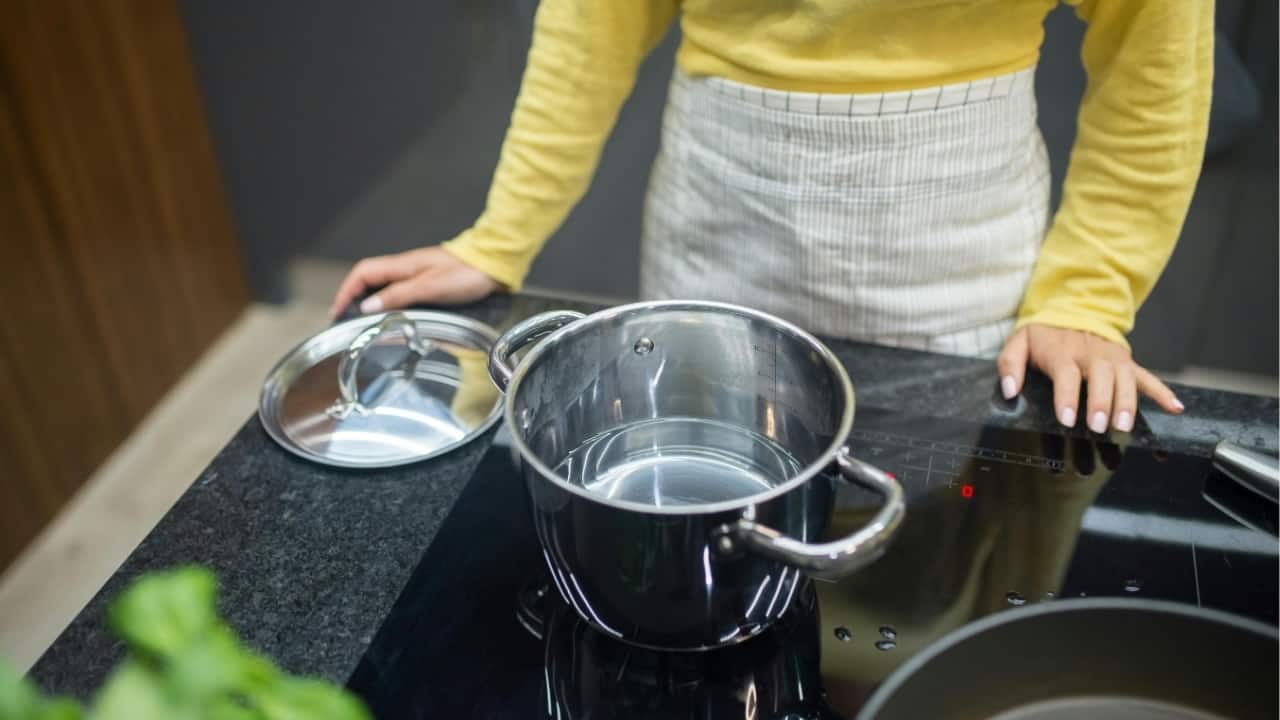 Induction cooking helps cook food faster (Picture: Pexels)
This one is an iron-based alloy. It is best suitable for induction cooking, as it combines the heat retention property of cast iron and the lightness of stainless steel. Cooking on this type of cookware is efficient, as it spreads the heat evenly.
This is one of the best induction cookware choices, for it has three metal layers. The innermost layer is food-grade stainless steel, making it safe for cooking food. The middle layer is of aluminium core that helps spread heat quickly and evenly. The third and the outer layer is of magnetic stainless steel that makes it easier to interact with electromagnetic field on top of the induction stove.
If a cookware item doesn't have a magnetic base that can interact with a magnetic field, then it is not compatible with induction cooking. So, there are certain types of cookware that do not work well with induction stoves.
This one is made from non-metal materials, and this is why it is not able to generate any heat on interaction with magnetic field.
Copper is an excellent heat conductor, but is not magnetic. Since induction stoves rely on magnetism, pure copper cookware will not able to interact with the magnetic field.
Not all stainless steel cookware is induction compatible. Certain grades of stainless steel do not contain enough iron to be magnetised.
Aluminium is a popular cookware choice in conventinal cooking, as it is lightweight and conducts heat well. However, it is non-magnetic. This explains why it can't work on induction stoves unless it has a magnetic steel base or layered construction.
Induction cooktops require flat cookware for easy and effective interaction with magnetic field. If a vessel has an uneven base or if it comes with stands, then it won't be able to directly come in contact with the magnetic field, thereby preventing efficient heating.
Glass cookware does not contain magnetic material. As a result, induction cooktops can't induce electric currents in the glass to produce heat.
2. How does an induction cooktop work?
An Induction Cooktop creates a magnetic field through a coil beneath its surface. This field produces electric currents in compatible cookware, generating heat in the pot or pan itself.
3. Why is induction cooking considered faster?
Since heat is produced directly inside the cookware, induction cooking reduces heat loss and allows food to cook faster compared to gas or traditional electric stoves.
4. What type of cookware works on induction stoves?
Cookware made from magnetic materials such as Cast Iron, Carbon Steel, and certain types of Magnetic Stainless Steel typically work on induction cooktops.
5. Why don’t some utensils work on induction cooktops?
Materials such as aluminium, copper, glass, and ceramic are not magnetic. Without magnetic properties, the induction cooktop cannot generate heat in the cookware.
Discover the latest Business News, Sensex, and Nifty updates. Obtain Personal Finance insights, tax queries, and expert opinions on Moneycontrol or download the Moneycontrol App to stay updated!
Find the best of Al News in one place, specially curated for you every weekend.
Stay on top of the latest tech trends and biggest startup news.