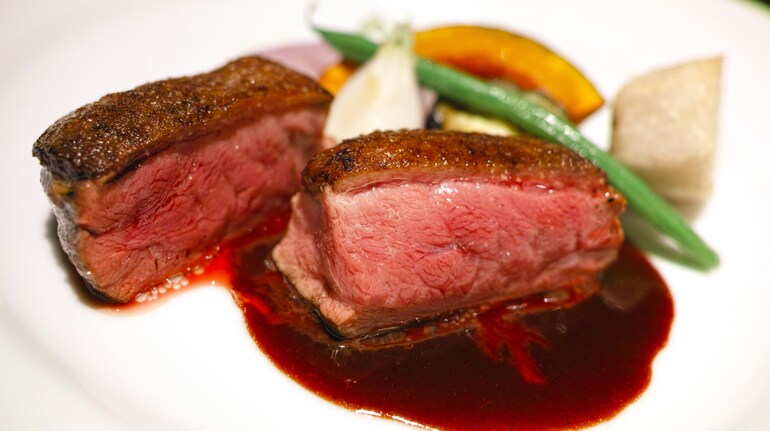
Being a vegetarian or a non-vegetarian is a personal choice. We know that meat is the flesh of animals consumed by humans. But did you know that fully edible meat can also be created or grown in a lab using a technology called 3D printing? The meat manufactured in this way is called 3D meat or 3D-printed meat. And here is the other interesting bit. Such artificially created meat can also be made from purely plant-based sources.
We must have aroused your curiosity by now, so let’s learn about 3D-printed meat in some detail, whether or not you consume non-vegetarian food.
What is 3D-printed meat?
As the name suggests, 3D-printed meat or 3D meat is a type of cultured meat that’s created or grown in a lab using high-end 3D printers. The ingredients to make this 3D food can be animal cells or sourced from plants.
Creating 3D meat via printers requires the assistance of additive manufacturing techniques, artificial intelligence and material science.
How 3D-printed meat is made
The non-vegetarian version of 3D meat (techies may jokingly call it the default version), called cultured 3D meat, needs “starter cells” or stem cells from a chicken egg or a cow. These animal cells are isolated and grown in a bioreactor where they are converted into a large quantity of biomass.
To create 3D-printed meat, these cultured animal cells (in the form of a viscous substance) are put inside a special printer. The viscous substance that is taken as input is printed out in a form resembling how organically made meat looks. But the output, the 3D printed version, is not ready-to-eat meat and should not be eaten directly. After the 3D-printed meat comes out of the printer, it needs to be cooked before being consumed.
Note that the 3D printer only transforms the look and shape of the cultured cells that have been put inside it, and cooking the 3D-printed meat is the next part.
Can 3D-printed meat be vegan/vegetarian?
Whether 3D-printed meat is vegan/vegetarian depends entirely on the ingredients used. If only plant-based ingredients are used, then it is vegan meat. Examples of ingredients used to create 3D vegan meat are beetroot, chickpeas, coconut fat, mashed potatoes, pea protein, protein powder, soy, sauces, etc.
3D printed meat: Expenses and challenges
Currently, the overall cost of producing 3D-printed meat is very high, which makes the investment expensive. Commercial-grade 3D printers can cost several thousand dollars, and each part and filament in the machine has to be kept in flawless condition, since we are talking about printing edible food here. Learning and expertise are also needed to operate and handle a 3D printer. One cannot use a cheaper option for a 3D printer, as it could lead to a health hazard.
3D printed meat: Production advantages
Although 3D printers are expensive, need high maintenance and present a commercial challenge at scaling, there are some production-related pros to creating 3D printed meat. Lab-grown cultured meat requires fewer resources and does not require animal slaughter or meat processing. Raising livestock to procure meat is also not required. Also, the by-products of meat can be used to create 3D printed food, which reduces food wastage.
3D-printed meat is still a long way off from being a commercially viable and affordable option, but it could become an eco-friendly alternative to traditionally sourced meat in the future.



Discover the latest Business News, Sensex, and Nifty updates. Obtain Personal Finance insights, tax queries, and expert opinions on Moneycontrol or download the Moneycontrol App to stay updated!





Find the best of Al News in one place, specially curated for you every weekend.
Stay on top of the latest tech trends and biggest startup news.