






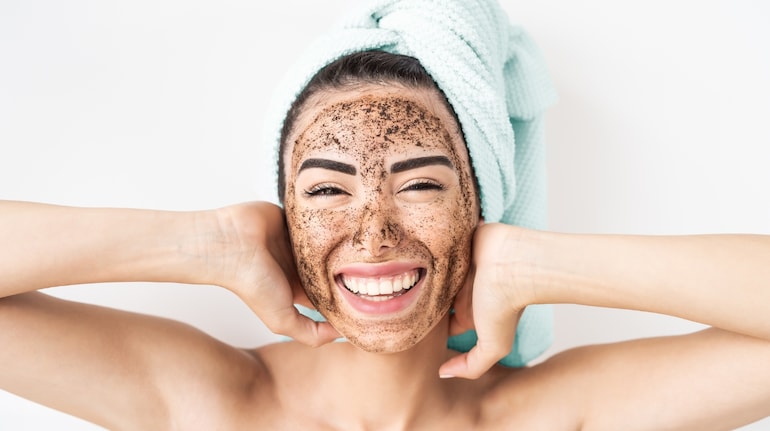
Taking care of your skin involves home remedies, proper diet, hydration and skincare products like creams, lotions and face masks. Face masks have become an indispensable part of a skincare routine, promising a quick fix for various skin concerns. From combatting acne, dryness, dullness, to caring for sensitive skin, there is a mask tailored for your needs. And with an array of options, from clay to sheet masks to enzyme based treatments, choosing the right one can be difficult.
Every skin type has its own personal needs, and finding the perfect face mask can feel like a task, but it’s worth the effort for healthier skin, says Dr Anindita Sarkar, Chief Medical Officer at Clinikally & AAYNA Clinics. “Unlike daily cleansers or moisturisers, face masks offer intensive treatment, helping to detoxify, hydrate, brighten, or calm the skin in a short amount of time. Face masks are a permanent part of your beauty regimen because they complement your daily routine and address deeper skin issues that need more than surface care,” says Dr Sarkar.
However, it’s essential to pick a mask suited to your skin type to avoid irritation or imbalance. Dr Sarkar suggests tips on how to select the best face mask that suits your skin type:
Also read | Skincare: Are collagen face masks worth the hype?
Clay and charcoal masks are effective for managing excess oil and reducing breakouts. “Bentonite or kaolin clay helps absorb sebum and remove impurities, while activated charcoal draws out dirt and toxins from the pores. Masks containing salicylic acid, a beta hydroxy acid (BHA), can penetrate the skin to help prevent clogged pores and acne. These masks are typically used once or twice a week and should be followed with a lightweight, non-comedogenic moisturiser to maintain skin balance,” says Dr Sarkar.
Hydrating gel and cream masks help restore moisture and support the skin’s barrier. Dr Sarkar informs that ingredients like hyaluronic acid, which holds large amounts of water, are commonly used in these formulations. “Some hydrating masks are designed to be left on overnight to enhance absorption. These can help improve skin texture and reduce tightness or flakiness,” she says.
Also read | DIY face masks: Nourish your skin naturally with honey, avocado, yoghurt and more
Brightening masks often include ingredients such as Vitamin C, niacinamide, and natural fruit enzymes from pineapple or papaya. “These components assist in exfoliating dead skin cells and evening out the skin tone. Antioxidants in these masks also offer some protection against environmental stressors, contributing to overall skin clarity,” suggests Dr Sarkar.
Masks for sensitive skin are typically fragrance-free and alcohol-free to minimize irritation. According to Dr. Sarkar soothing ingredients like centella asiatica (cica), chamomile, and colloidal oatmeal can help reduce redness and inflammation. “It’s important to use hypoallergenic, dermatologist-tested products and avoid harsh exfoliants or clays unless specifically formulated for sensitive skin. Alongside, consulting with a dermatologist can also help in choosing the right products for personal needs,” she says.
Disclaimer: This article only provides generic information. Don’t treat it as a substitute for qualified medical opinion. Always consult a specialist for specific diagnosis.
Discover the latest Business News, Sensex, and Nifty updates. Obtain Personal Finance insights, tax queries, and expert opinions on Moneycontrol or download the Moneycontrol App to stay updated!
Find the best of Al News in one place, specially curated for you every weekend.
Stay on top of the latest tech trends and biggest startup news.









