Ever since childhood, we all have been advised to ‘eat almonds’ to sharpen our brains. But let’s face it—there’s no single food or magical pill created yet that can ensure cognitive health as we grow older. However, nutritionists do emphasise that the most effective strategy is to follow a healthy dietary pattern over the years that includes a lot of fruits, vegetables, legumes, and whole grains. Multiple studies have shown that the best brain foods are the same ones that protect your heart and blood vessels. Functional foods, known for their specific health benefits, have been increasingly recognised as valuable contributors to brain health.
Functional foods offer your body many benefits that go beyond basic nutrition. These foods contain bioactive compounds that may improve health outcomes, including cognitive performance. Unlike supplements, you can easily add functional foods into your daily meals, making them an ideal pick for those seeking long-term benefits without drastic changes to their diet. “Functional foods are gaining popularity for their potential to boost brainpower and delay cognitive decline. Packed with bioactive compounds like omega-3 fatty acids, antioxidants, flavonoids, and polyphenols, these foods can enhance your mental acuity,” says Haridwar-based dietitian Manvi Lohia.
Adding the following functional foods into your daily diet is a simple yet effective way to enhance cognitive health:Fatty fish are a great source of omega-3 fatty acids, healthy unsaturated fats that have been linked to lower blood levels of beta-amyloid. This is the same protein that forms damaging clumps in the brains of people with Alzheimer's disease. Eating fish at least twice a week can tackle the situation effectively, but make sure to choose varieties that are low in mercury, such as salmon, cod, canned light tuna, and pollack. If you are a vegetarian or are not a fan of serving fish on your plate, ask your doctor about taking an omega-3 supplement, or choose terrestrial omega-3 sources such as flaxseeds, avocados, and walnuts.
Leafy greens such as kale, spinach, collards, and broccoli come rich in a number of brain-boosting nutrients like vitamin K, lutein, folate, and beta carotene. These plant-based foods may help slow cognitive decline and help your brain function better, if consumed on a regular basis.
Your hot cuppa of caffeine-filled coffee or tea might be working on more than your morning lethargy! In a study published in The Journal of Nutrition, participants with higher caffeine consumption scored better on tests of mental function. Caffeine might also help solidify new memories, according to other research studies.
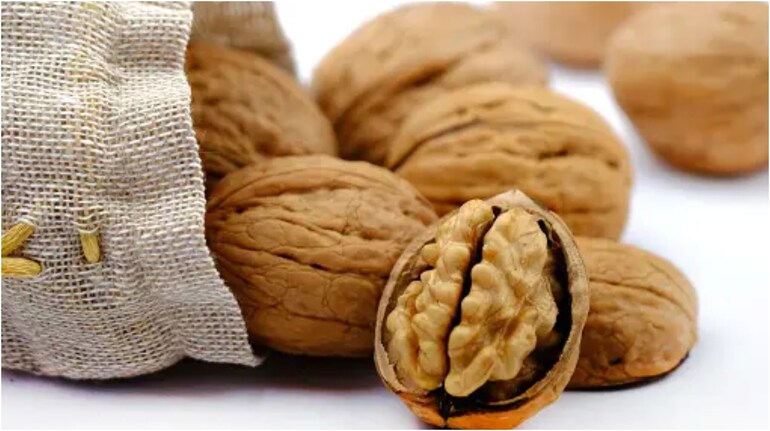
It’s no secret that nuts are excellent sources of protein and healthy fats, and there’s one type of nut in particular that might also improve memory. As per Harvard Health Publishing, a study from UCLA linked higher walnut consumption to improved cognitive test scores. Walnuts are high in a type of omega-3 fatty acid called alpha-linolenic acid (ALA). Diets rich in ALA and other omega-3 fatty acids have been linked to lower blood pressure and cleaner arteries.
Flavonoids, the natural plant pigments that give berries their brilliant hues, also help improve memory, research shows. A study done by researchers at Harvard's Brigham and Women's Hospital found that women who consumed two or more servings of strawberries and blueberries each week delayed memory decline by up to two-and-a-half years.
Disclaimer: This article, including health and fitness advice, only provides generic information. Don’t treat it as a substitute for qualified medical opinion. Always consult a specialist for specific health diagnosis.Discover the latest Business News, Sensex, and Nifty updates. Obtain Personal Finance insights, tax queries, and expert opinions on Moneycontrol or download the Moneycontrol App to stay updated!
Find the best of Al News in one place, specially curated for you every weekend.
Stay on top of the latest tech trends and biggest startup news.