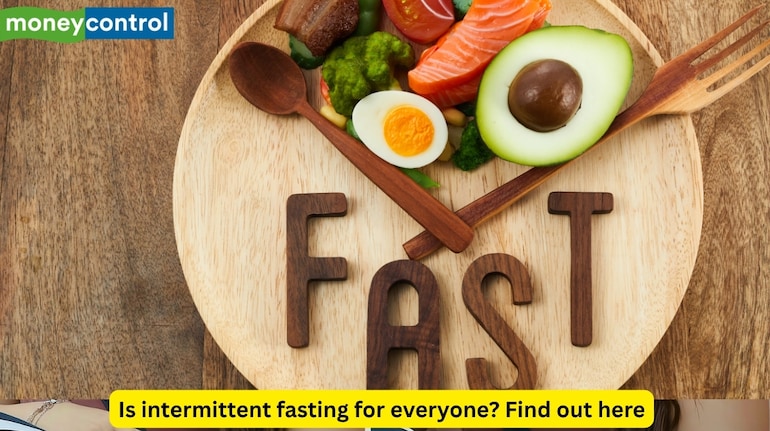
When it comes to trying out different diets to lose those extra kilos, one of the diets that is hailed and deemed to give results in no time is intermittent fasting. Not just that, intermittent fasting also comes packed with a lot of health benefits. For a lot of people, intermittent fasting is the way of life. Eminent people like Sadhguru have been advocating for it many years now.
There are many questions around intermittent fasting like who can do it and what are the potential downsides of it, among other things. To understand all this and more, Moneycontrol's team reached out to dietician Komal Mali, Head Dietician, Asian Hospital.
On what is intermittent fasting...
Dt Mali said: "Intermittent fasting (IF) is a type of diet that alternates between dieting and fasting. It does not actually state what to eat, but at what time to eat." Wondering how does it help? Well, the doctor explained that when a person does intermittent fasting, the body uses stored fat to meet its energy needs, increases metabolism, and repairs cells. "It is not a diet per se, but a lifestyle approach to eating that helps to maintain weight and maintain metabolic health," she told Moneycontrol.
Time intervals of intermittent fasting...
There are many people out there who shrug away from trying intermittent fasting, simply because the 16:8 window gives them a fright. For the uninitiated, the 16:8 window means that a person eats only during the 8-hour window and for the rest of 16 hours in a day, the person avoid eating anything at all.
Dt Mali argued that there are other time windows which may not appear as taxing to people. "There is 5:2 diet that permits one to eat normally on five days and restrict calories on 2 days. Some of them use the 14:10 or the 18:6 method based on their way of life. Other more progressive versions also involve alternate-day or the OMAD (One Meal A Day) method. However, before adopting for any of these, one must consult a professional for guided help," she opined.
Should skinny people do intermittent fasting?
The dietician warned of a caveat and said that intermittent fasting is not appropriate for all people. "People who are underweight, people with eating disorders, and with hormonal imbalance, they should probably stay away from intermittent fasting. Without proper balance in fasting, skinny people are likely to lose lean muscle or other important nutrients," she suggested. However, if you're someone who still wants to give this type of fasting a try, then always focus on getting the right nutritional intake. Besides, always seek the advice of a nutritionist prior to starting IF so that it can be adjusted as per the needs and health objectives of the body, the dietician shared.
Who should definitely try intermittent fasting?
"I usually prescribe IF to those who have had problems with their weight and who are insulin-resistant. It is also appropriate for individuals whose food habits are not regular or those who take snacks at night as it assists in establishing organised eating time. It however works best when coupled with a balanced and nutrient rich diet and good hydration. IF is most effective for iindividuals whose eating habits are routine and well-disciplined, not with those who have unpredictable schedules and lack medical counseling," the dietician told Moneycontrol.
Benefits of intermittent fasting
Intermittent fasting has several health advantages other than losing weight. The dietician has listed some of them below.
- It increases insulin sensitivity
- It improves the metabolism of the fats
- It helps lower the level of inflammation and improve the digestion
- It stabilises the level of blood sugar
- Studies have indicated that it helps in the repair of cells via autophagy which leads to a slow aging process and decreases the risks of diseases
- Additionally, it assists in the elimination of bad habits of snacking and encourages one to eat mindfully, which is one of the major factors of long-term wellness.
Long-term impact of intermittent fasting
"When done properly and regularly, IF may result in long-term weight loss, better metabolic fitness, and decreased chronic illnesses, such as diabetes and heart diseases. It can improve one's longevity, since it stimulates the repair of cells," Dt Mali said.
She also emphasised on the fact that ensuring balanced nutrition is very much important along with eating during the window time.
Potential downsides of intermittent fasting if not done well and under supervision...
- Fatigue
- Irritability
- Dizziness
- Deficiency in nutrients because of missed meals or poor food selection
- In case of excessive fasting, women can experience hormonal disorders
- In the long run, extreme fasting may slow down metabolism and take a toll on one's mood or sleep
- IF can also lead to overeating during the eating window.
Also read: Treadmill running vs running outdoors: Fitness coach shares which one is best for you
FAQs on intermittent fasting:
1. What is intermittent fasting?
It’s an eating pattern that cycles between periods of eating and fasting.
2. What are common fasting methods?
The 16:8 method, 5:2 diet, and alternate-day fasting.
3. Can intermittent fasting help with weight loss?
Yes, it can help reduce calorie intake and improve fat burning.
4. Is it safe for everyone?
Not always—people with medical conditions or pregnant women should consult a doctor first.
5. What can I drink while fasting?
Water, black coffee, and unsweetened tea are allowed during fasting periods.
Disclaimer: This article, including health and fitness advice, only provides generic information. Don’t treat it as a substitute for qualified medical opinion. Always consult a specialist for specific health diagnosis.
Discover the latest Business News, Sensex, and Nifty updates. Obtain Personal Finance insights, tax queries, and expert opinions on Moneycontrol or download the Moneycontrol App to stay updated!
Find the best of Al News in one place, specially curated for you every weekend.
Stay on top of the latest tech trends and biggest startup news.