






I have never had to face CISF officials at an airport security check for anything beyond the usual laptop-and-charger routine. My bags, even when full of electronics, usually pass through the conveyor belt quietly. That changed the day I landed at Mumbai airport with the Vivo X300 Pro and its telephoto extender kit tucked into my backpack.
This time, it wasn’t interrogation. It was curiosity.
The officer picked up the cylindrical telephoto extender and turned it around in his hand, trying to place it. He asked what it does, whether it works with all phones, how much zoom it offers, and then the most telling question of all: can it really match a DSLR? After a brief pause, he added another question, almost casually. Is it very expensive?
That short exchange stayed with me long after I left the airport. Not because it was unusual, but because it captured exactly what the Vivo X300 Pro is trying to be. This isn’t just another smartphone chasing camera specs. It’s a device that openly flirts with the idea of being a camera replacement, bold enough to invite comparisons with equipment people usually associate with professionals.
I carried that thought with me to Mauritius. Over the next week, the X300 Pro became my primary camera, my editing screen, my navigation tool, and my daily phone. I used it to shoot beaches, streets, people, food, sunsets, night scenes, and eventually wildlife. This review isn’t about what Vivo claims the phone can do. It’s about what it actually felt like to use it, day after day, in situations where cameras either earn your trust or lose it.
Design and display
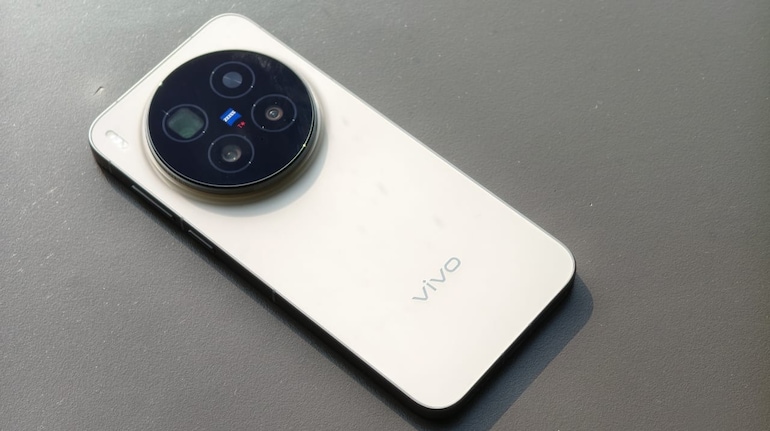
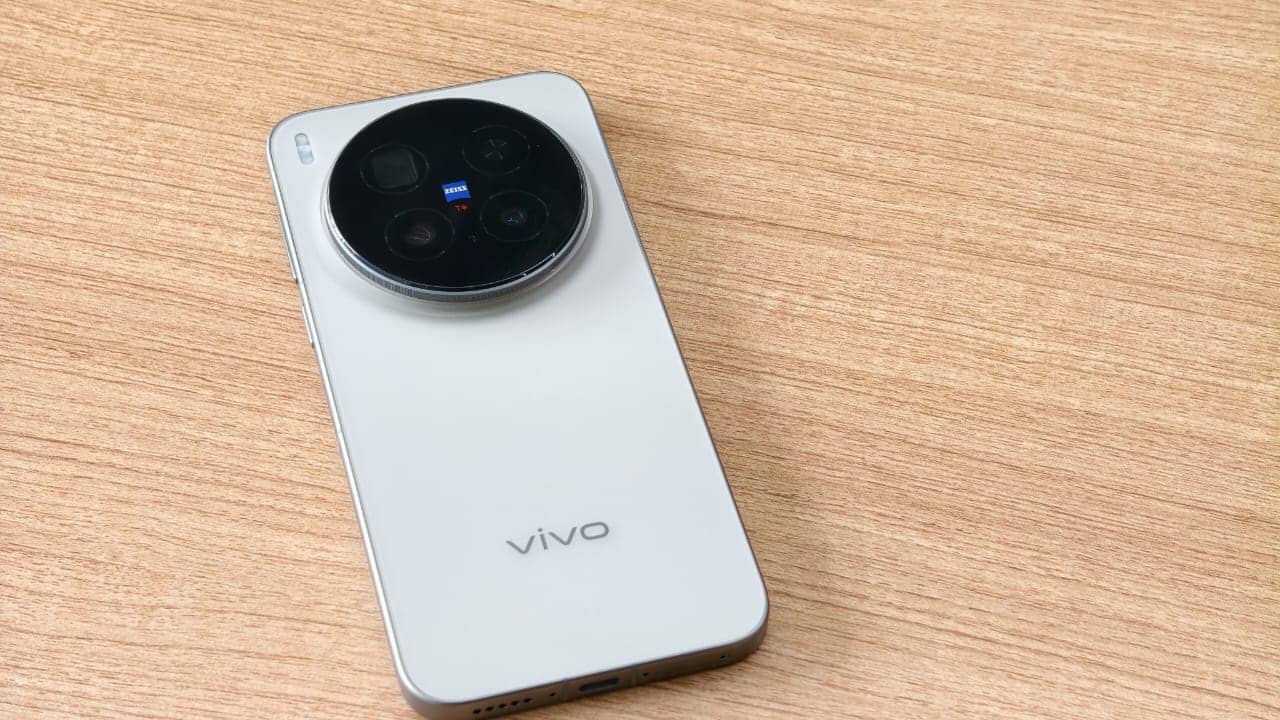
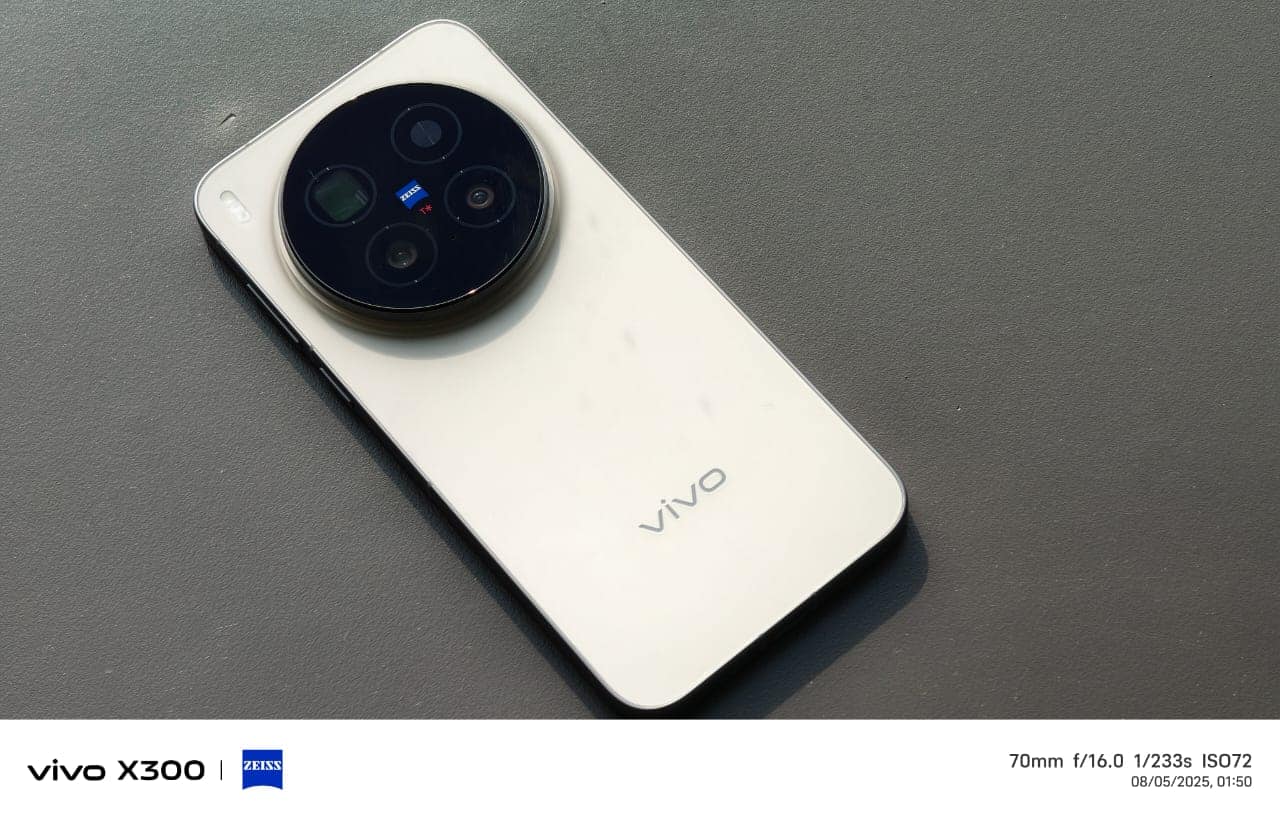
The Vivo X300 Pro features a giant camera module, similar to its predecessors, and honestly, I wouldn’t have it any other way. I don’t want flagship phones, especially camera-centric ones, to look subtle. If photography is the heart of the device, it should look the part. It should be flashy. It should draw attention. A boring design on a flagship is such a letdown.
 vivo x300 pro
The large circular camera housing dominates the back. Place the phone on a table and that’s where your eyes go first. It doesn’t try to blend in. This phone wants you to know where the focus lies.
The Dune Gold glass back brings some balance. It has a soft, matte texture that feels good in the hand and doesn’t pick up fingerprints easily. In humid weather, the phone never felt slippery or fragile. Even after long shooting sessions, my grip never felt strained.
Despite the prominent camera bump, weight distribution is handled well. Holding the phone horizontally for photos or videos didn’t feel awkward. The edges are gently rounded, and while this isn’t a light phone, it doesn’t feel unwieldy either.
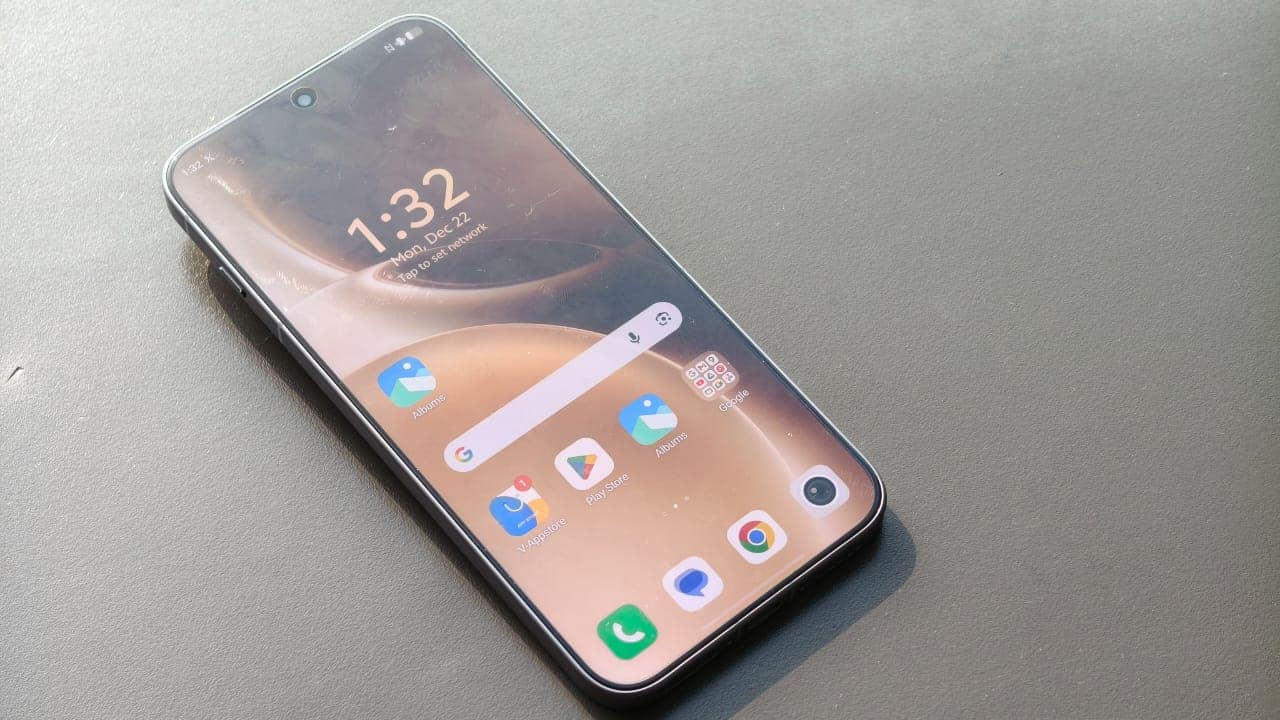
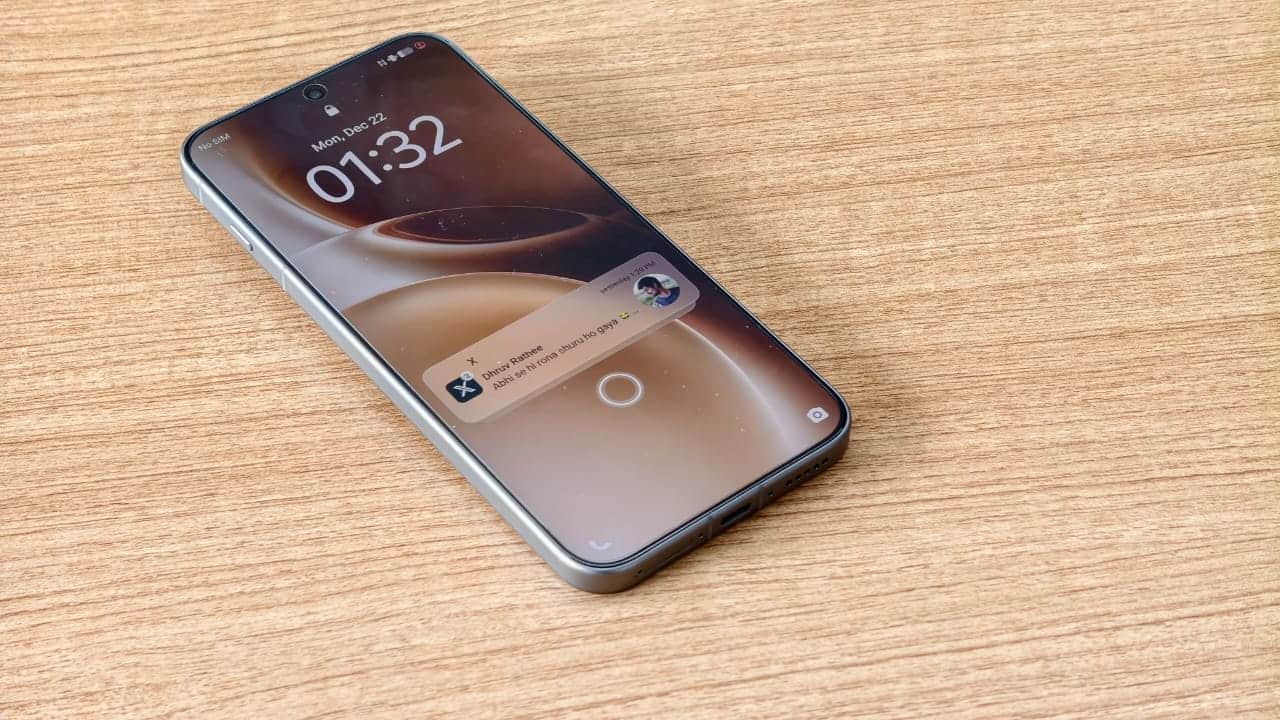
On the front is a 6.78-inch flat AMOLED display. Flat screens matter if you actually edit photos on your phone. Cropping, straightening horizons, adjusting exposure or colours all feel more precise. Curved screens may look premium in renders, but they distort edges and reflections when you’re working.
 vivo x300 pro
The panel supports a 120Hz refresh rate, and the smoothness is immediately noticeable. Scrolling, switching apps, and even small interface movements feel fluid without drawing attention to themselves. HDR content looks particularly good here. Highlights stay controlled, darker areas retain detail, and videos don’t feel over-processed. With HDR and Dolby Vision support, watching content after a long shooting day felt genuinely pleasant rather than tiring.
Brightness is strong enough for outdoor use, and reviewing photos under harsh sunlight was never an issue. Colours are restrained by default, which matters when you plan to edit later. This isn’t a one-handed phone, but for a camera-first flagship, the size feels justified. A slightly larger body also feels steadier when shooting at longer focal lengths.
Performance and battery
The Vivo X300 Pro is powered by the MediaTek Dimensity 9500 chipset, paired with 16GB of RAM, and performance is something I noticed most when I stopped thinking about it.
Apps opened quickly and stayed in memory. Jumping between navigation, camera, gallery, editing tools, and messages never caused hesitation. Even after long shooting sessions, the phone didn’t feel like it was struggling to keep up.
 vivo x300 pro
I’m not a hardcore mobile gamer, but I did test a few popular titles. Call of Duty Mobile and Asphalt 9 ran smoothly at high settings, with stable frame rates and responsive controls. Sessions of 15 to 20 minutes didn’t introduce noticeable throttling.
The phone does warm up during extended camera use or gaming, especially outdoors, but never to a level that made it uncomfortable to hold or affected performance. What mattered more was consistency. The phone behaved the same way at the end of the day as it did at the start.
The Vivo X300 Pro packs a 6510mAh battery, and in real use, it behaves exactly how you’d hope.
On days filled with photography, navigation, editing, and long screen-on time, the phone comfortably lasted from morning to evening. Even on days when I forgot to charge fully before heading out, battery anxiety never really set in.
Using the telephoto camera does drain the battery faster, which is expected, but the drain felt predictable. There were no sudden drops or unexplained surprises.
Charging was quick enough that short top-ups actually mattered. Plugging in while getting ready or during a break gave me enough buffer to head out again without planning my day around a charger.
Software and daily use
For a long time, Vivo phones ran on FuntouchOS, and it never had the best reputation. It worked, but it felt dated and heavy, with animations that didn’t feel polished.
That perception doesn’t hold here.
The X300 Pro runs OriginOS 6, and it feels like a genuine reset. Animations are smooth, transitions feel natural, and the interface looks modern without trying too hard. Daily interactions feel responsive and predictable.
 vivo x300 pro
What stood out was consistency. Opening the camera, switching apps, pulling down notifications, or jumping back into something I was using earlier all felt quick. The phone doesn’t lag behind your actions.
Features like Origin Island are subtle but useful. It surfaces information quietly, without demanding attention. Over time, it blends into daily use rather than feeling like a gimmick.
The camera app itself is dense. There are many modes and options, and it takes time to understand where everything lives. But once you do, it starts feeling more like using a camera than navigating a phone app.
Some editing tools genuinely saved time. Removing unwanted people from busy scenes worked well. Straightening frames or fixing composition quickly was useful when I didn’t want to open a laptop. Other features were easy to ignore, which is exactly how it should be.
Vivo is also promising long-term Android and security updates, which matters at this price. It makes the X300 Pro feel like a long-term companion rather than a short-lived flagship
Audio, haptics, and call quality
The stereo speakers are loud enough for casual video watching and clear enough for voice-heavy content. Compared to some other flagships, they prioritise clarity over bass. Vocals sound clean and well defined, even if low-end punch isn’t the strongest in the segment.
Call quality was consistently solid. Voices sounded clear on both ends, even outdoors or while travelling. Network switching didn’t result in dropped calls or audio glitches.
Haptics feel tight and controlled. Keyboard feedback, notifications, and system interactions don’t feel buzzy or loose. It’s a small detail, but it adds to the sense that this is a well-finished phone.
Durability and confidence
The Vivo X300 Pro comes with IP68 and IP69 ratings, offering strong protection against dust and water. While I didn’t deliberately test its limits, real travel has a way of doing that naturally.
Humidity, dust, constant handling, pulling the phone in and out of bags, and using it with slightly sweaty hands never made me anxious. I didn’t feel the need to baby the phone.
That confidence matters. A camera-first phone that makes you hesitate is a failed design. The X300 Pro didn’t do that.
Camera performance
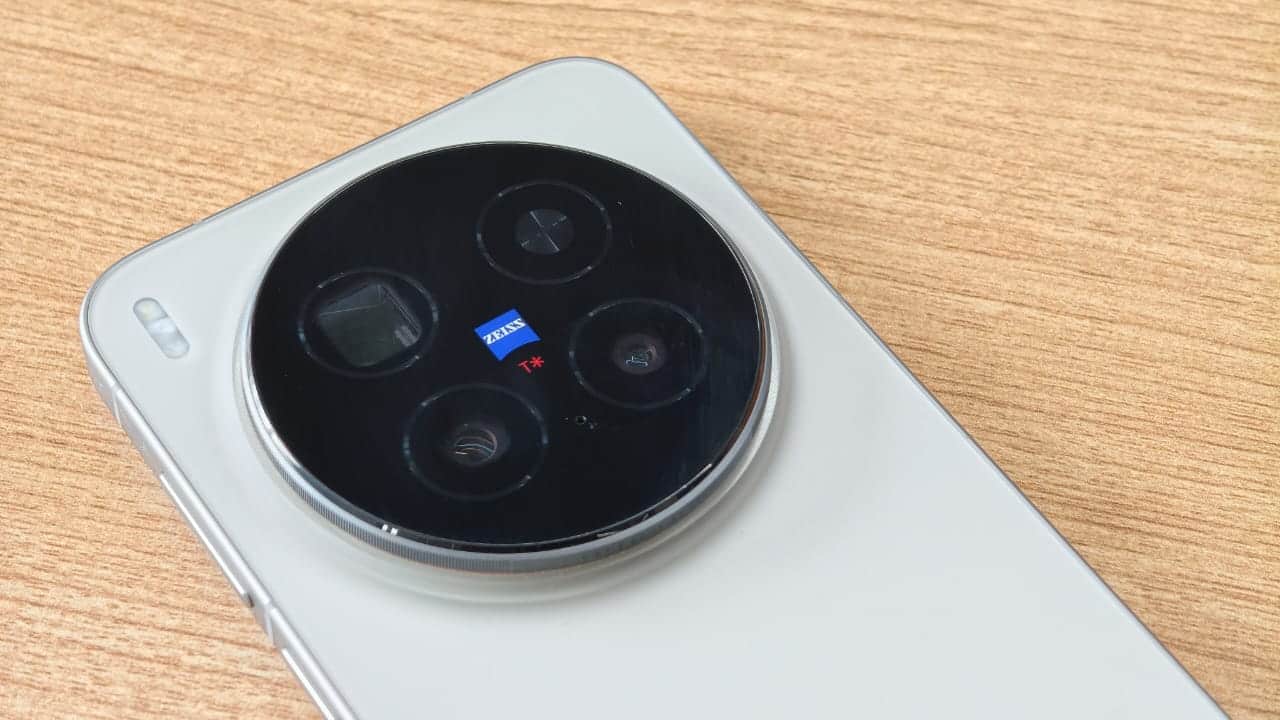
On paper, the Vivo X300 Pro’s camera setup looks impressive, but more importantly, it feels deliberate. The phone comes with a 50MP main camera, a 50MP wide camera, and a 200MP telephoto camera, developed in partnership with ZEISS. Unlike most smartphones, where the telephoto lens feels secondary, Vivo clearly treats it as a core part of the experience.
 vivo x300 pro
The telephoto camera already offers strong reach, good stabilisation, and reliable focus at distance. But what pushes the X300 Pro into more unusual territory is the optional telephoto extender kit. This external attachment physically extends the focal length of the built-in telephoto lens, allowing you to shoot from even farther away with better clarity than digital zoom alone.
It’s important to be clear here. The phone is perfectly capable on its own. The extender kit is not a gimmick, but it is a niche accessory. It’s meant for situations where distance is non-negotiable, like wildlife parks, stage performances, or moments where stepping closer simply isn’t possible.
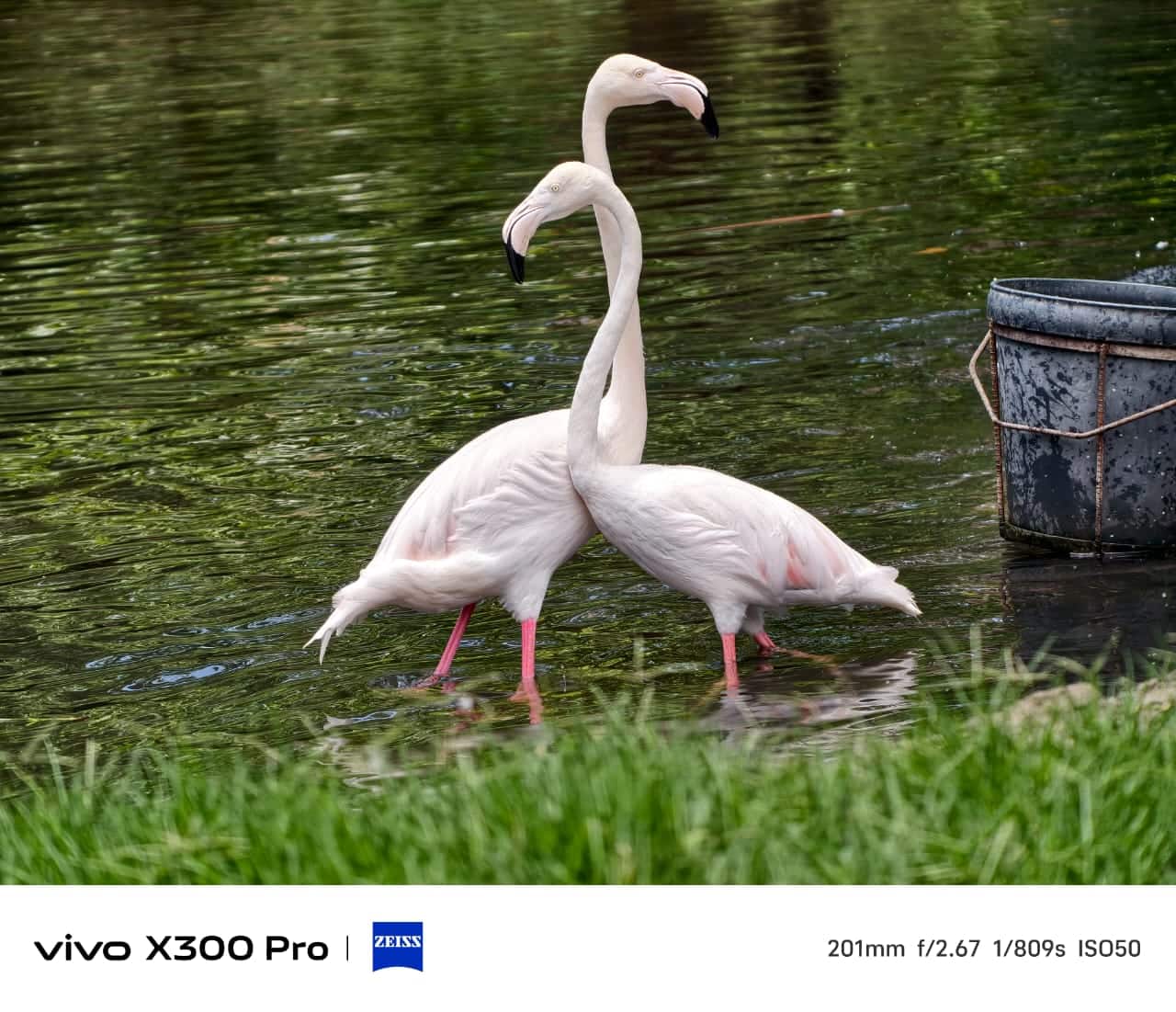
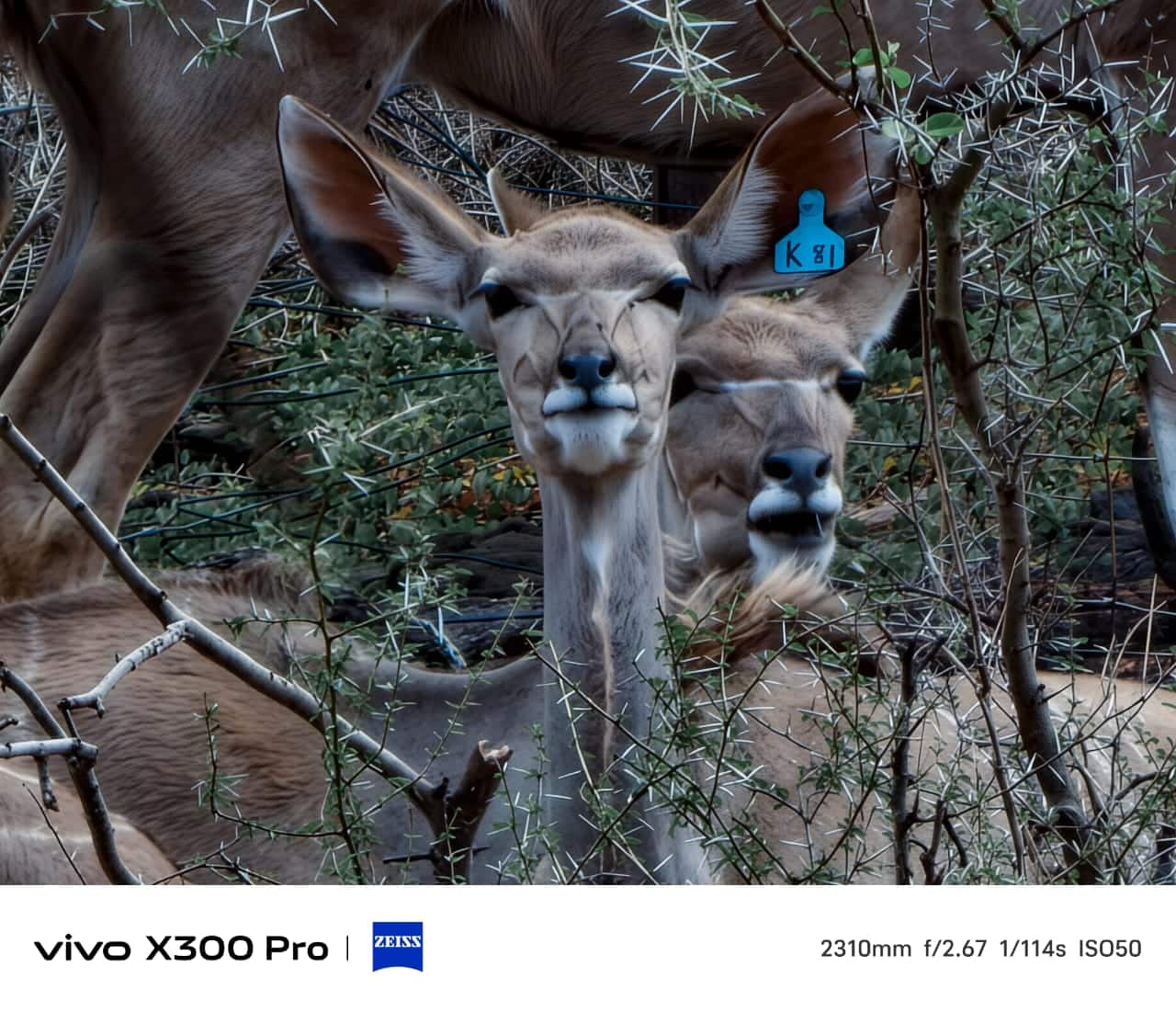
All the images below were captured using the telephoto camera, with several of them taken with the telephoto extender kit attached, across very different scenarios, lighting conditions, and subject types. Together, they show how the X300 Pro behaves when reach, not convenience, is the priority.
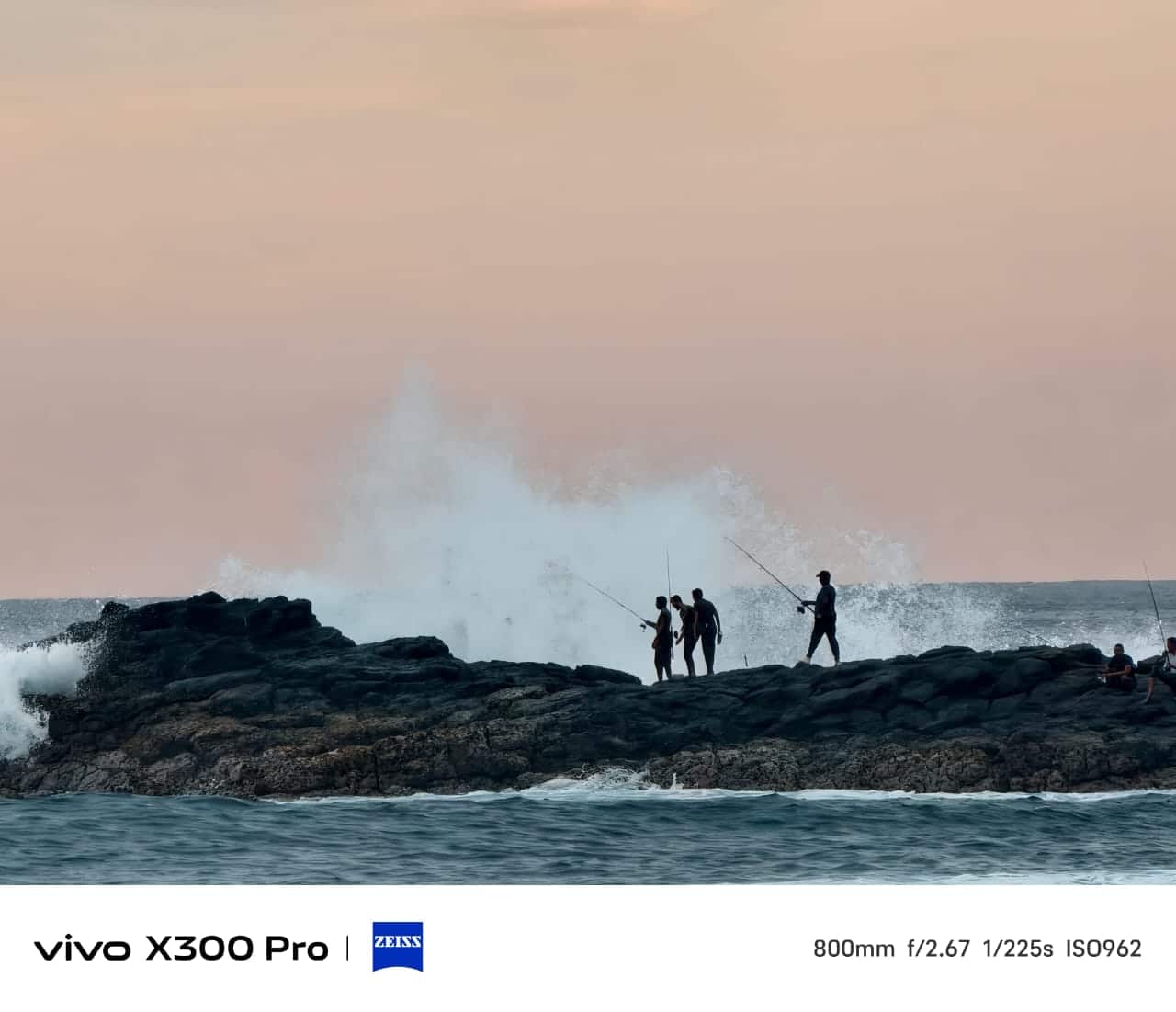
The shot of fishermen standing on jagged rocks as waves crash behind them is a good place to start. This is a distant scene, captured without drama or tricks. The light is soft, the colours are restrained, and the subjects are small in the frame. What stands out is how well the phone holds detail at range. The figures don’t collapse into noise, and the waves retain texture instead of turning into white blur. It feels observational, almost documentary in tone, which is not something you often say about a smartphone image.
 vivo sample 1
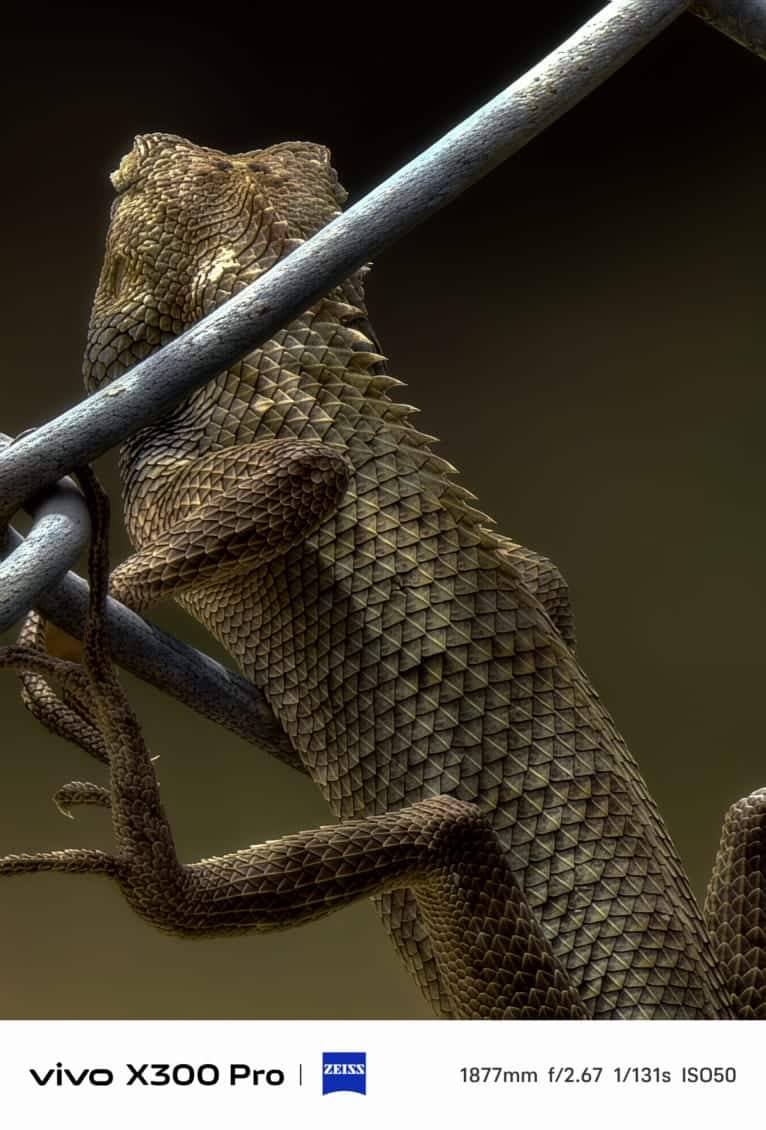
The close-up of the lizard shows another side of the telephoto lens. This isn’t just about distance. It’s about detail. The texture of the scales is rendered clearly, layer by layer, without looking sharpened to death. The background falls away naturally, and the subject separation feels optical rather than forced by software blur.
 vivo sample 1
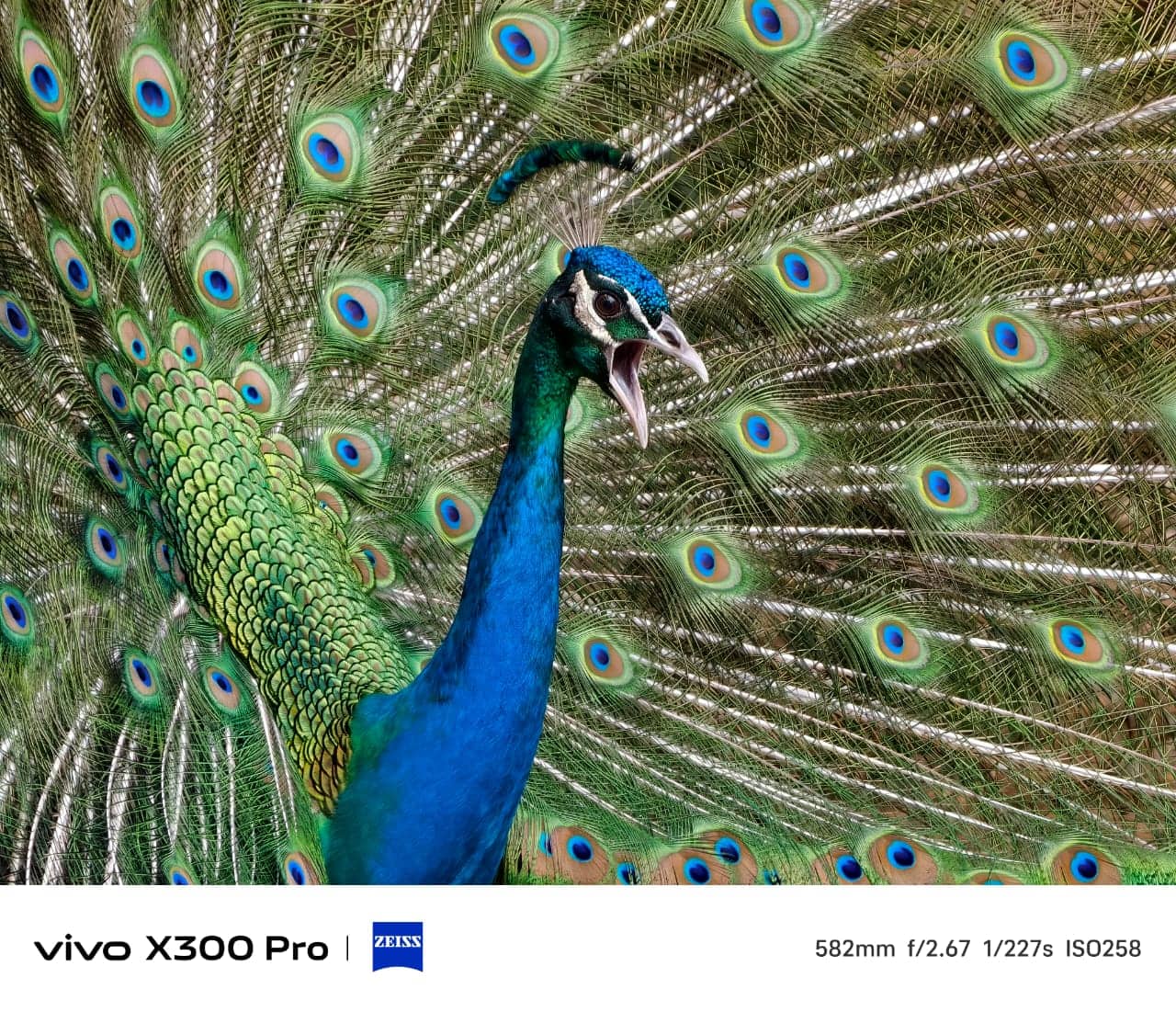
The peacock photograph pushes the camera in a different direction altogether. Bright colours, fine feather patterns, and a lot of visual information packed into one frame. Phones often oversaturate scenes like this, but the X300 Pro keeps things under control. The blues and greens are vivid without bleeding into each other, and individual feather details remain visible even when you zoom in later. It’s colourful, but not loud.
 vivo sample 1
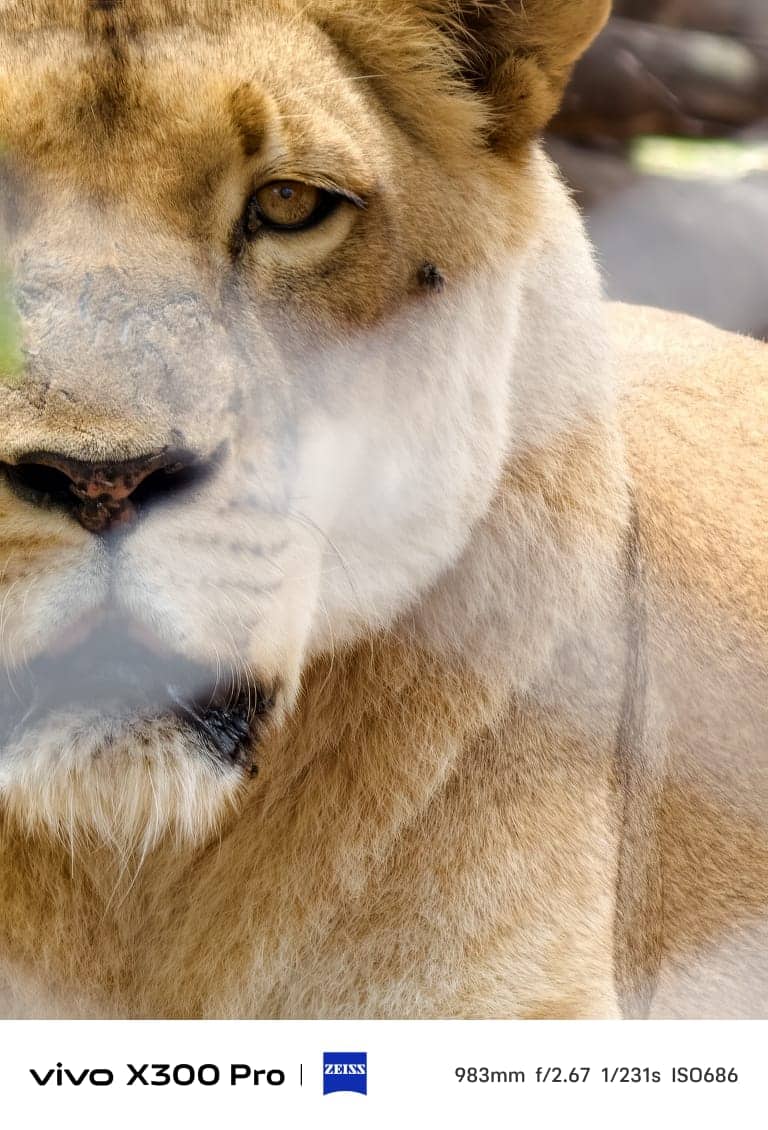
The lion portrait was taken from a safe distance, and it’s one of the moments where the telephoto camera really proved its worth. Focus locks quickly and stays put. The eyes are sharp, the fur texture is well defined, and the background stays soft without making the subject look cut out. There’s a sense of depth here that doesn’t feel artificial, and importantly, the image doesn’t scream “shot on a phone”.
 vivo sample 1
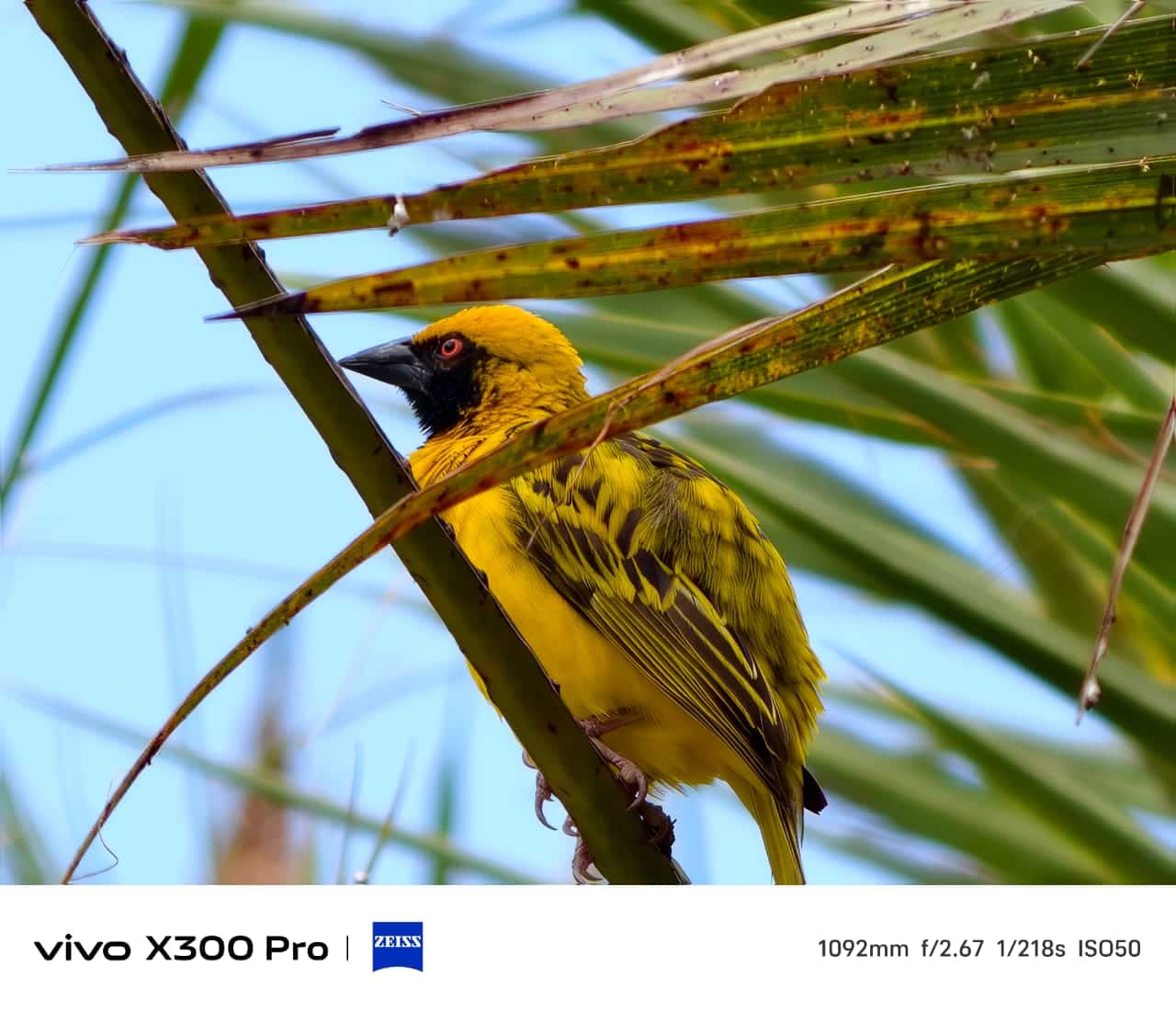
The bird carrying nesting material is perhaps the most demanding example. This is a moving subject, shot at range, with fine details and motion involved. The telephoto camera doesn’t lose its nerve. Focus tracking holds on, the bird remains sharp, and the nest doesn’t dissolve into blur. Shots like this are easy to miss on a phone because focus hunts or stabilisation gives up. Here, the phone keeps up.
 vivo
vivo
Across all these images, the common thread is consistency. Different subjects, different colours, different distances, yet the output feels cohesive. The telephoto camera doesn’t just work in ideal conditions. It adapts.
Stabilisation plays a quiet but crucial role here. Handheld shooting at these focal lengths is unforgiving, yet the X300 Pro gives you enough confidence to trust your hands. You don’t need to brace yourself for every shot, and that makes a real difference when moments are fleeting.
This doesn’t mean the telephoto lens is magic. Light still matters. In low light or heavy shade, detail drops faster than on the main camera. But what matters is that the phone gives you a genuine chance in situations where most phones simply don’t.
And that’s when you realise what Vivo is trying to do with the X300 Pro. It’s not chasing perfect photos in controlled conditions. It’s giving you reach, flexibility, and confidence. And once a phone changes how you see and frame the world, it stops being just a smartphone camera and starts feeling like a tool you can trust.
The ultra-wide camera is reliable in daylight, producing clean landscapes and travel shots with good colour consistency compared to the main camera. In low light, detail drops faster, and it’s not the lens I’d reach for after sunset.
The front camera performs well too. Selfies look sharp, skin tones remain natural, and details aren’t aggressively smoothed. Video calls came through clearly, making it dependable rather than flashy.
Video performance is solid. The phone supports 4K at 60fps, and footage looks stable even when walking or shooting from a moving vehicle.
Telephoto video is usable, which is rare. Focus doesn’t hunt constantly, and colours remain natural. It doesn’t try to be cinematic. It simply records what’s happening, cleanly.
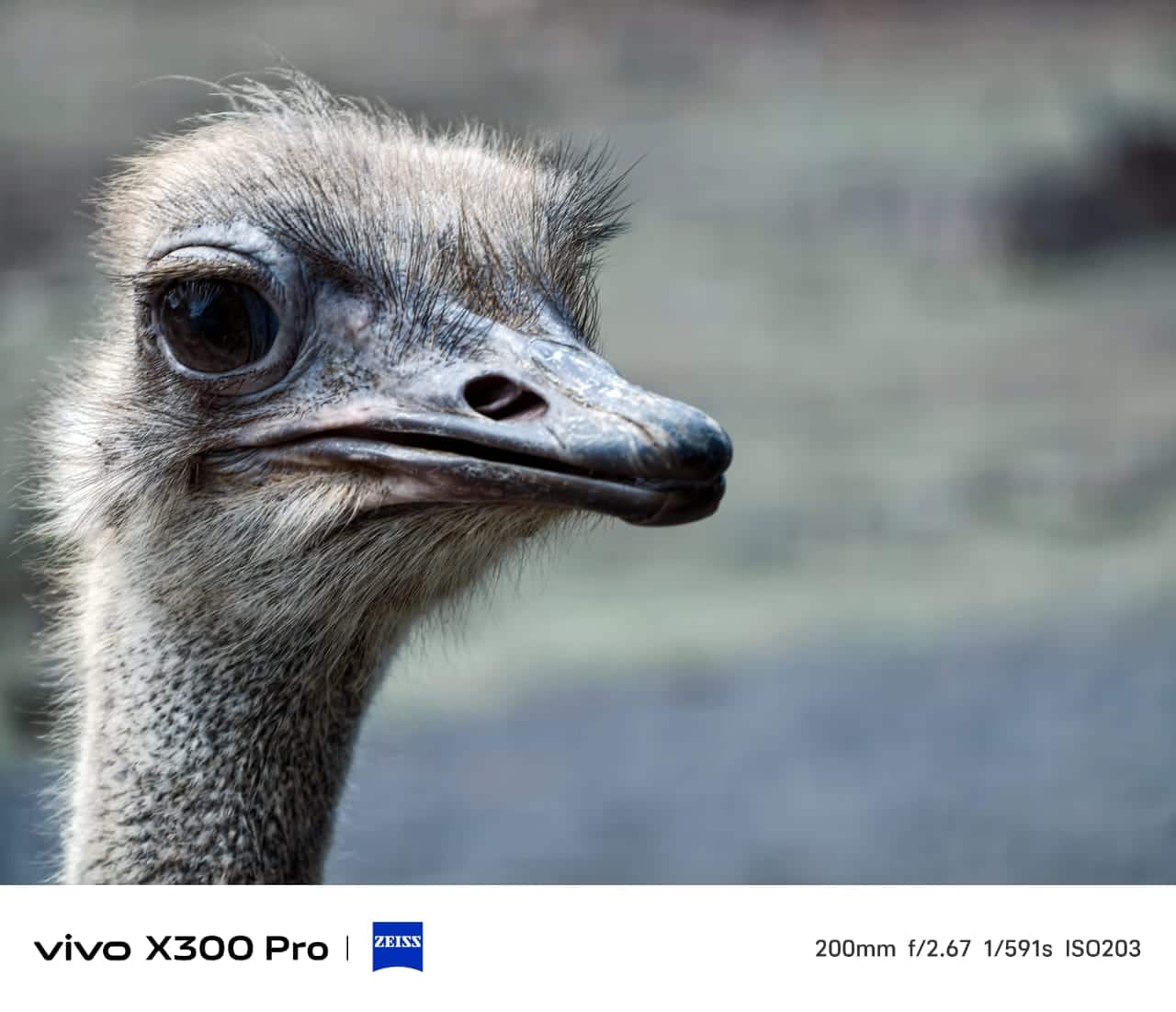
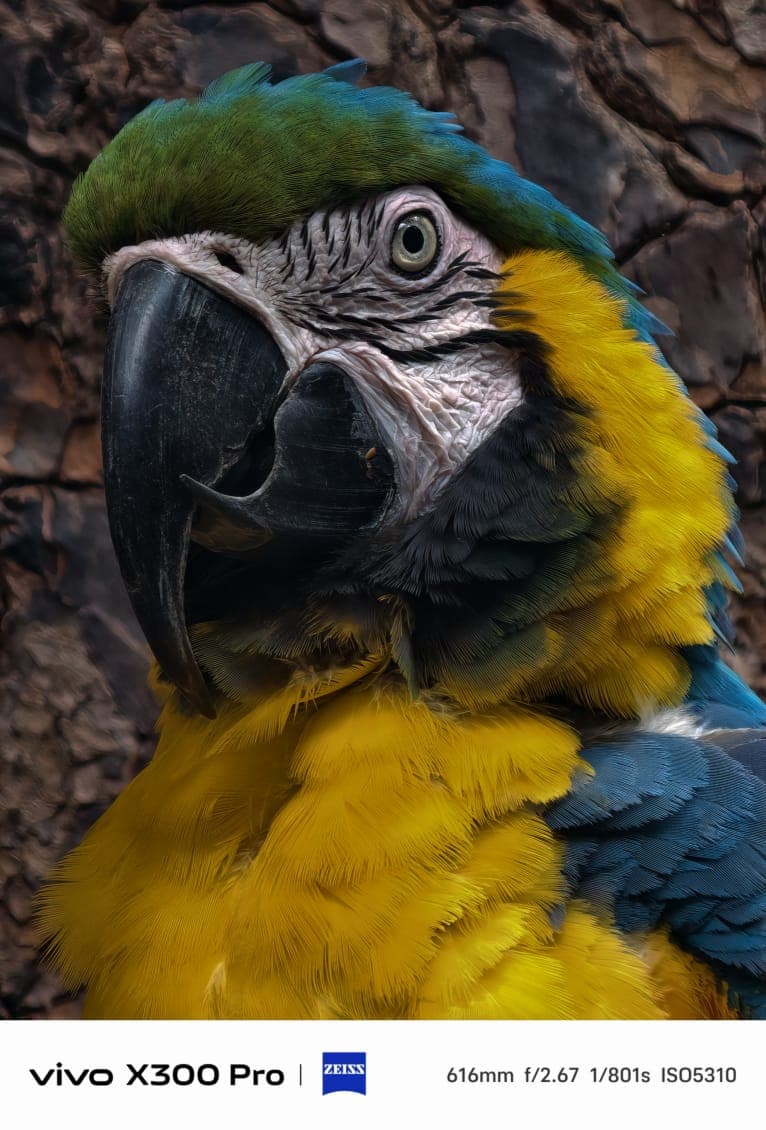
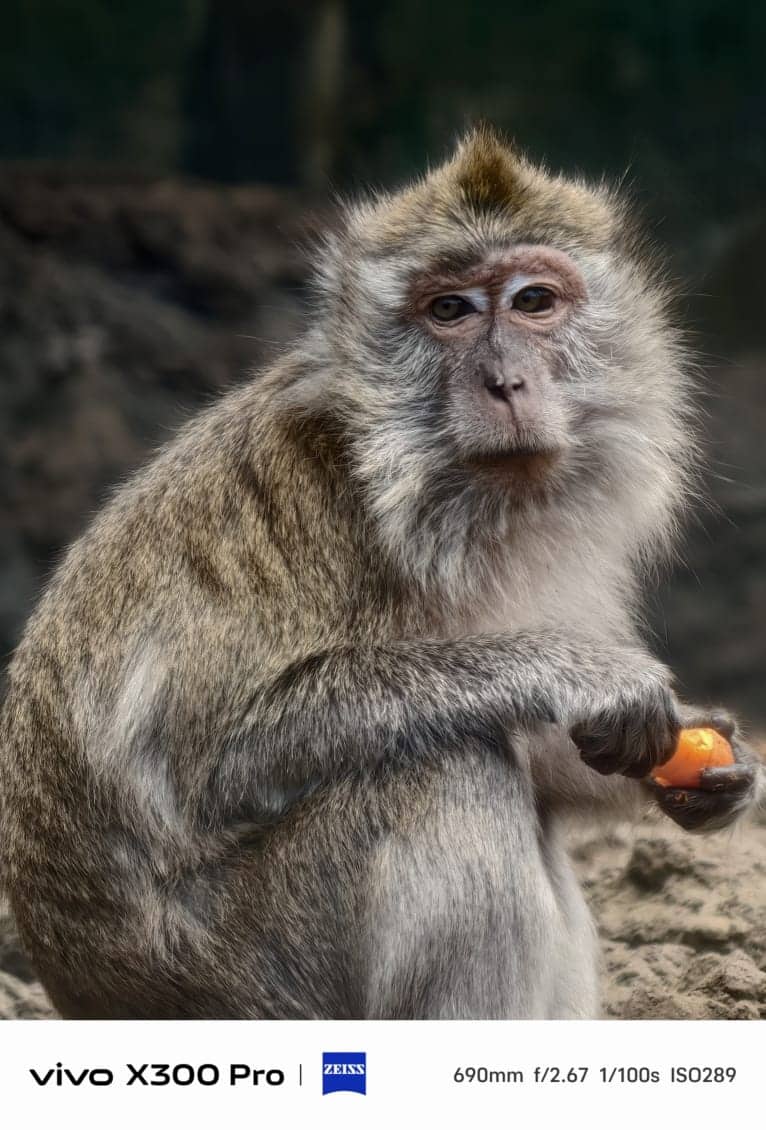
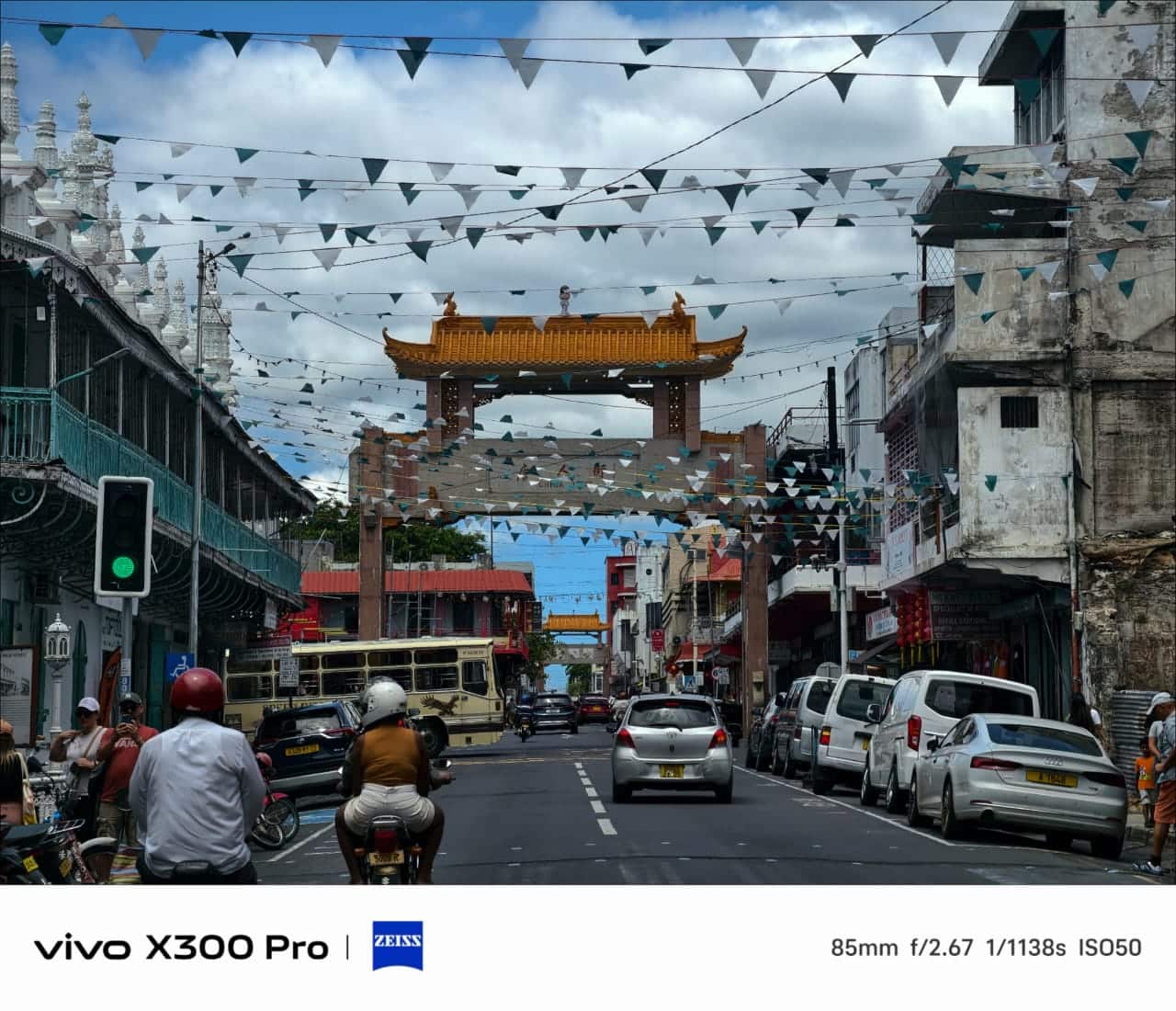
Check out all the picture samples below:-
 vivo sample 1
 vivo sample 1
 vivo sample 1
 vivo sample 1
 vivo sample 1
 vivo sample 1
 vivo sample 1
 vivo sample 1
 vivo sample 1
Living with the telephoto extender kit
Using the telephoto extender kit does come with a small learning curve. If you’re attaching an external lens to a phone for the first time, the process can feel a bit tricky initially. The connectors need to line up properly, and this is not something you should rush. Forcing the lens into place or applying too much pressure can damage the plugs, so it’s genuinely better to spend a few minutes reading the instruction manual or watching a short YouTube video before attempting it for the first time.
 vivo x300 pro
Once attached, the lens adds noticeable weight to the phone. You feel it during longer shooting sessions, especially when you’re holding the device steady at high zoom levels. This isn’t a deal-breaker, but it does change how the phone balances in your hand. One thing I did miss was a lanyard or neck strap in the box. When you’re moving around frequently, especially while shooting wildlife or distant subjects, having the lens secured around your neck would offer extra peace of mind.
The lens cover also needs care. It’s susceptible to scratches if you toss it casually into a bag, so gentle handling and proper storage quickly become part of the routine. None of this takes away from what the telephoto extender kit enables, but it does remind you that this is a serious accessory, not a casual add-on.
 vivo
vivo
Should you buy the Vivo X300 Pro?
At Rs 1,09,999, the Vivo X300 Pro sits in a price bracket where expectations are naturally high. After using it as my primary phone and camera, I don’t think this is a device that tries to justify its price in obvious ways.
The phone gives you confidence to zoom in without hesitation. Confidence to attempt shots I would normally avoid on a phone. Confidence to leave a larger camera behind and still come back with images I cared about.
The telephoto extender kit, priced at Rs 18,999, isn’t for everyone. It adds bulk and slows you down physically. But when you do need it, especially for wildlife or distant subjects, it expands what a phone can realistically do.
If you mostly shoot wide photos or casual social media content, this price may feel hard to justify. But if photography shapes how you travel, how you observe, and how you frame moments, the Vivo X300 Pro starts to make sense. It earns its price not by being perfect, but by making you trust it enough to use it without second-guessing.



Discover the latest Business News, Sensex, and Nifty updates. Obtain Personal Finance insights, tax queries, and expert opinions on Moneycontrol or download the Moneycontrol App to stay updated!
Find the best of Al News in one place, specially curated for you every weekend.
Stay on top of the latest tech trends and biggest startup news.






