






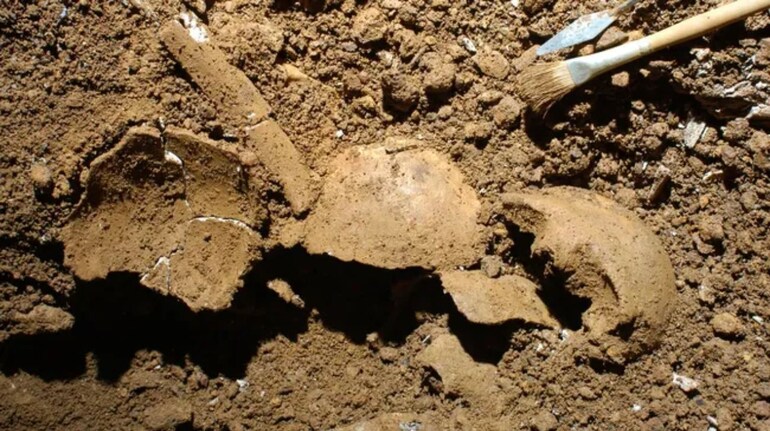
A genetic study has revealed rare incest evidence in Italy. The finding comes from a Bronze Age burial site in southern Italy. Researchers say it represents the earliest known father daughter incest case.
The discovery was made at Grotta della Monaca in Calabria. The cave served as a burial ground during the Bronze Age. Archaeologists dated the burials between 1780 and 1380 B.C. Scientists analysed remains of 23 individuals from the site.
The research aimed to understand the group’s genetic background. Instead, scientists uncovered evidence of extreme parental relatedness. The findings were unexpected given the community’s apparent diversity. The study was published in Communications Biology.
Teenage burial reveals unusual genetic links
Despite fragmented remains, researchers identified genetic sex successfully. Ten females and eight males were genetically identified. DNA markers showed varied maternal and paternal lineages. This indicated the group included people from different backgrounds.
While examining family relationships, scientists identified two parent child pairs. One involved a mother and daughter buried nearby. Such burials are common across many ancient cultures. The second case, however, appeared highly unusual.
The remains belonged to an adult male and young boy. Genetic analysis focused on runs of homozygosity. These DNA segments increase when close relatives reproduce. Most individuals showed low levels indicating distant relatedness.
DNA confirms father daughter union
The young boy showed extremely high homozygosity levels. Researchers described these levels as unprecedented in ancient genomes. Further testing confirmed the boy resulted from first degree incest. The adult male buried nearby was both father and grandfather.
The remains of the boy’s mother were not recovered. Researchers did not detect rare genetic disorders. First degree incest often increases disorder risks significantly. No such conditions were identified in this case.
Scientists noted incest is generally biologically and culturally avoided. However, archaeological evidence shows rare historical exceptions. Sibling unions occurred among Neanderthals and ancient elites. Parent child unions remain far rarer and poorly understood.
What the discovery may mean
The community did not appear small or isolated. There was no evidence of royal or hierarchical structures. This makes the incest finding difficult to explain socially. Researchers suggested the union may have been sanctioned locally.
The father was the only adult male buried there. The cemetery otherwise contained women and children. Whether the union involved coercion remains unknown. Scientists caution interpretations remain speculative.
Alissa Mittnik of the Max Planck Institute commented publicly. She said the case suggests culturally specific behaviour. However, its broader significance remains uncertain. Researchers hope future discoveries provide clearer context.
Until then, the finding stands as a rare exception. It offers new insight into prehistoric social complexity. Ancient societies may have been more varied than assumed.
Discover the latest Business News, Sensex, and Nifty updates. Obtain Personal Finance insights, tax queries, and expert opinions on Moneycontrol or download the Moneycontrol App to stay updated!
Find the best of Al News in one place, specially curated for you every weekend.
Stay on top of the latest tech trends and biggest startup news.




