






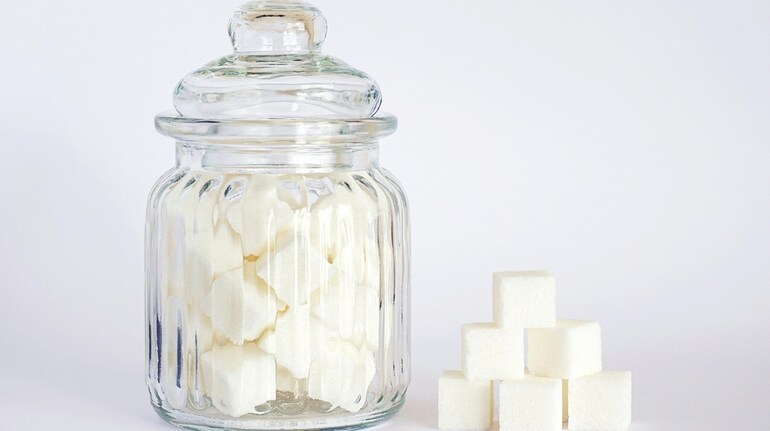
For years, the promise of “sugar-free” has sounded like a free pass. No guilt, no calories, no consequences. From chewing gum to protein bars, sugar substitutes have found their place into daily diets, marketed as the sensible choice. But a recent research from Washington University in St. Louis suggests that at least one popular alternative may not be as innocent as it appears.
The sweetener in question is sorbitol, a sugar alcohol commonly found in low-calorie sweets, gums and so-called health foods. According to a new study published in Science Signaling, sorbitol can be converted inside the body into fructose, a sugar already known to place strain on the liver. The findings challenge the long-held belief that sugar substitutes simply pass through the body without much impact.
Also read: Doctor says these 3 medicines can save a heart attack patient
The research builds on earlier work showing how fructose is processed by the liver and how, under certain conditions, it can contribute to liver disease and even fuel cancer cell growth. What surprised researchers this time was just how closely sorbitol is linked to fructose. As lead scientist Professor Gary Patti puts it, sorbitol is essentially “one transformation away” from becoming fructose once it reaches the liver.
Using zebrafish as a model, the research team discovered that sorbitol does not only come from food labels. It can also be produced naturally in the gut after eating, when glucose levels rise high enough. Enzymes in the intestine can turn glucose into sorbitol, which then travels to the liver and is converted into a fructose derivative. This pathway was once thought relevant mainly to people with diabetes, but the study shows it can occur under normal conditions too.
Not all bodies react the same way. Certain gut bacteria, particularly specific strains of Aeromonas, can break down sorbitol before it reaches the liver. When these microbes are present and functioning well, sorbitol is largely neutralised. The problem arises when the balance tips, either because the right bacteria are missing or because intake becomes too high for them to manage.
At small amounts, such as those found naturally in whole fruits, sorbitol is rarely an issue. Trouble begins when diets are loaded with sugar-free products or when high glucose intake leads the body to produce extra sorbitol internally. Even people with protective gut bacteria may overwhelm their system. As Patti noted, many processed foods now combine multiple sweeteners, making excess surprisingly easy.
Also read: Are the eggs you eat for breakfast safe? Doctor says beware of this one substance
Replacing sugar is not as simple as swapping labels. Metabolic pathways are complex, and the liver often pays the price for excess, regardless of the source.
Q1. What are sugar-free sweeteners?
Sugar-free sweeteners are substances used to add sweetness to food and drinks without the calories or blood sugar spike of regular sugar.
Q2. What types of sugar-free sweeteners are commonly used?
They include artificial sweeteners (like aspartame and sucralose) and natural or plant-derived options (such as stevia and monk fruit).
Q3. Are sugar-free sweeteners safe to consume?
When used within recommended limits, approved sugar-free sweeteners are considered safe by food safety authorities.
Q4. Do sugar-free sweeteners affect blood sugar levels?
Most sugar-free sweeteners have little to no impact on blood sugar, making them useful for people with diabetes.
Q5. Can sugar-free sweeteners help with weight management?
They may help reduce calorie intake when used in place of sugar, though overall diet quality still matters.
Disclaimer: This article, including health and fitness advice, only provides generic information. Don’t treat it as a substitute for qualified medical opinion. Always consult a specialist for specific health diagnosis.
Discover the latest Business News, Sensex, and Nifty updates. Obtain Personal Finance insights, tax queries, and expert opinions on Moneycontrol or download the Moneycontrol App to stay updated!
Find the best of Al News in one place, specially curated for you every weekend.
Stay on top of the latest tech trends and biggest startup news.




