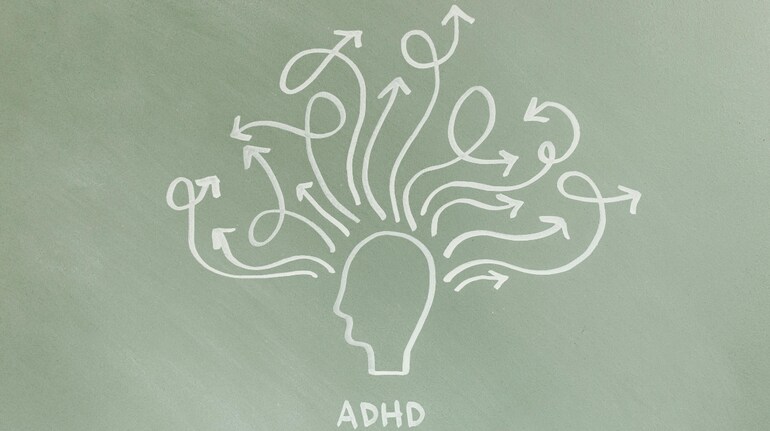
ADHD (Attention Deficit Hyperactivity Disorder) is one of the most misunderstood neurodevelopmental disorders. While awareness has increased, many myths and misconceptions still cloud people's understanding of ADHD. It is more than just restlessness or difficulty focusing. ADHD involves issues with attention regulation, impulse control, emotional responsiveness, and functioning throughout life stages. These misunderstandings can make individuals with ADHD feel dismissed, criticized, or unfairly blamed for challenges beyond their control, rooted in neurological differences.
"Misconceptions like thinking ADHD only affects children or is caused by bad parenting can negatively impact mental health, education, and career progression," Dr Harsh Rao, Senior Clinical Psychologist and mental health expert from Bengaluru, tells Moneycontrol.
Separating fact from fiction is essential to foster a better understanding and supportive environment for those with ADHD and their loved ones.
Also read | Do you have ADHD? Here are 6 ways to manage this neurodevelopmental disorder effectively
ADHD is a well-established neurodevelopmental disorder, backed by extensive research. Brain scans show structural and functional differences in areas controlling attention, impulse regulation, and executive functioning. Leading medical organisations recognise ADHD as a real disorder. Dismissing it as "made up" prevents people from receiving the appropriate diagnosis, treatment, and support, exacerbating their academic, emotional, or social difficulties.
ADHD does not disappear after childhood. Symptoms can change with age, but attention issues, impulsive behaviours, emotional regulation problems, and organisational challenges often persist. Adults with ADHDmay struggle at work, in relationships, or with daily tasks.
ADHD is not caused by bad parenting, weak character, or excessive screen time. Genetics play a significant role, and the disorder is linked to differences in brain development and neurotransmitter activity. Parenting styles may influence symptom management but do not cause ADHD. Blaming parents only adds to their guilt and delays proper medical care and intervention.
Also read | Is sugar making ADHD worse? Leading clinical psychologist clears the confusion
People with ADHD generally want to do well but find it hard to start tasks, manage time, and maintain focus due to how their brains regulate motivation and attention. This is not laziness. In fact, many with ADHD work harder than others to keep up. Labeling them as lazy can damage their self-esteem and hinder them from receiving support.
While medication can be helpful, it is not the only treatment option. Effective ADHD management often involves a combination of approaches, including behavioural therapy, cognitive training, lifestyle adjustments, structured routines, and coaching. Exercise, adequate sleep, and stress management also play important roles. Treatment should be personalised and not rely solely on medication as a quick fix.
ADHD is not related to intelligence. Individuals with ADHD span all IQ levels, from above average to highly superior. Many excel in creativity, problem-solving, innovation, and entrepreneurship. Their challenges are in regulating attention and executive function, not intelligence. With the right support and environment, people with ADHD can succeed academically, professionally, and personally.
What is ADHD?
ADHD (Attention Deficit Hyperactivity Disorder) is a neurodevelopmental disorder that affects attention regulation, impulse control, and emotional responsiveness, causing challenges in various life stages.
2. Is ADHD only diagnosed in children?
No, ADHD can persist into adulthood. Symptoms may change, but issues with attention, impulsivity, and organisation often continue, affecting work and relationships.
3. Does bad parenting cause ADHD?
No, ADHD is not caused by bad parenting. It is linked to genetic and neurological factors. Parenting styles can influence symptom management but do not cause the disorder.
4. Are people with ADHD lazy or unmotivated?
No, individuals with ADHD struggle with task initiation, time management, and focus due to neurological differences. They often work harder than others to manage their symptoms.
5. Is medication the only treatment for ADHD?
No, ADHD treatment can include behavioural therapy, cognitive training, lifestyle adjustments, and structured routines. Medication may help, but a comprehensive approach is usually more effective.
Disclaimer: This article, including health and fitness advice, only provides generic information. Don’t treat it as a substitute for qualified medical opinion. Always consult a specialist for specific health diagnosis.
Discover the latest Business News, Sensex, and Nifty updates. Obtain Personal Finance insights, tax queries, and expert opinions on Moneycontrol or download the Moneycontrol App to stay updated!
Find the best of Al News in one place, specially curated for you every weekend.
Stay on top of the latest tech trends and biggest startup news.