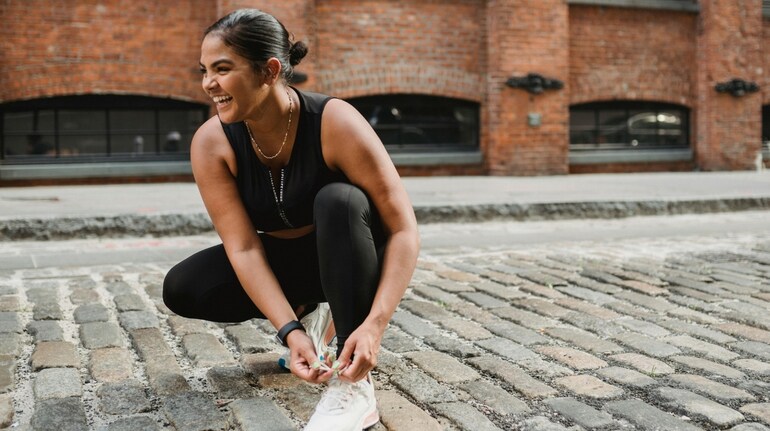
Postpartum phase is the time of recovery, as after delivery whether normal or c-section, the body will face lots of physical, hormonal change, stretched muscles, and weakened ligaments. Medium to light activity, like an easy walk, is okay. But jumping into high intensity so soon, does more harm than good in most cases.
Although it is referred to it as the postpartum recovery period, the weeks following the birth of your baby — probably the first six to eight weeks or so — should center around recovering, resting, and gentle movement. Pushing yourself too hard at this time can be complicated, leading to problems including a reopening of the wound, pelvic floor trouble, diastasis recti or too much bleeding.
Nisha Verma, Senior obstetrician with Felix Healthcare says, "Each recovery is unique. You may be ready for gentle movement sooner than some other women, or you may prefer to wait longer before doing exercises at all. However, some movements, or routines, are inherently dangerous immediately post-delivery, and should be completed only when your healthcare provider clears you to do so."
Here are 5 exercises to avoid to keep yourself healthy for the long run.
Also read | Common symptoms of postpartum depression and emotional changes new mothers should not ignore
Activities involving running, jumping, and high-impact aerobic classes are stressful to healing tissues and joints. Because the pelvic floor and abdominal muscles are still weak after delivery, high impact moves sometimes lead to urinary leakage, discomfort or prolapse. Continue walking or using a stationary bicycle — but not with added weight — until your doctor permits more rigorous activity.
Whether or not you had diastasis recti (common during pregnancy and typically not repaired until at least 6 weeks after delivery) or stitches from delivery, heavy weights can stretch the abdominal wall and pelvic floor. These actions increase the pressure inside the abdomen and may impair healing or cause discomfort. Start with body weight movements and slowly add resistance once you are cleared by your Doctor.
Sit-ups, Crunches or Leg Raises: Traditional core exercises can exacerbate abdominal separation (diastasis) and put pressure on already weakened core muscles. Rather, do more gentle pelvic tilts and breathe-based core activations.
Also read | Postpartum care: 8 things every new mom should know, from emotional recovery to breastfeeding, more
HIIT requires high bursts of activity which elevate heart rate and use multiple muscle groups. Great for fitness, but too intense for a body that is still recovering from pregnancy and childbirth. In breastfeeding mothers, this activity can also exacerbate fatigue and affect her milk production.
Postpartum hormonal changes may leave you with loosened joints and ligaments, but then we go and do too much stretching in yoga or pilates and we can easily damage those joints. Deep twists can even make their way into your abdomen and lower back. Choose slow, passive stretches until the joints are stable.
Disclaimer: This article, including health and fitness advice, only provides generic information. Don’t treat it as a substitute for qualified medical opinion. Always consult a specialist for specific health diagnosis.
Discover the latest Business News, Sensex, and Nifty updates. Obtain Personal Finance insights, tax queries, and expert opinions on Moneycontrol or download the Moneycontrol App to stay updated!
Find the best of Al News in one place, specially curated for you every weekend.
Stay on top of the latest tech trends and biggest startup news.