-
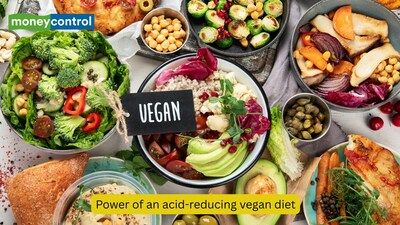
New study finds why acid-reducing vegan diet may help you lose weight faster
A 16-week study showed that overweight adults who switched to a low-fat vegan diet lost an average of 13 pounds, thanks to lowering the “acid load” their diet puts on the body. Here’s why eating more plant based foods and less animal products can reduce inflammation and help with weight loss
-

No dairy diet: 6 vegan foods rich in calcium to keep your bones strong and healthy
Vegan calcium sources: Are you a vegan concerned about getting enough nutrients for strong bones without dairy? Check out these calcium-rich vegan foods that can help you maintain and improve bone health while sticking to a plant-based lifestyle.
-
Vegan diet tips: Include these 7 foods rich in zinc for better protein synthesis, immunity
Plant-based zinc foods: For vegans, obtaining sufficient zinc can be more challenging due to the lower bioavailability of zinc in plant-based foods. There are plenty of vegan-friendly foods that can provide the necessary zinc levels to support overall health. Here are some of the best vegan sources of zinc.
-
Health risks of vegan diet: Lowers protein intake, iron deficiency, omega-3 fatty acids
Vegan diet excludes all animal products, focusing on plant-based foods like fruits, vegetables, grains, nuts, and seeds. It is chosen for health, environmental, and ethical reasons, promoting lower cholesterol and reduced risk of certain diseases. There are also some risk factors associated with a vegan diet.
-
5 science-backed health benefits of plant-based proteins in daily diet
What to eat: Whether you're a committed vegan or simply looking to improve your health, adding plant-based protein like beans, lentils, nuts, seeds, and tofu to your meals can offer a myriad of health benefits.
-
Vegan, keto diet changes can trigger the immune system you're born with, says study
The study results showed that the immune system responded surprisingly rapidly to nutritional interventions, suggesting that it may be possible to tailor diets for patients to prevent disease or complement disease treatments, such as by slowing processes associated with cancer or neurodegenerative disorders.
-
From weight goals to heart health, here’s why vegan milk is good for you
If you are a new vegan looking for dairy alternatives, you can choose from a variety of plant-based milks that are nutritional and flavorful. Here are five effective plant-based milk alternatives – almond, coconut, peanut, sesame, and soy milk – each with unique advantages.
-
Switching to vegan diet? Include these 7 calcium-rich foods to make your bones strong and healthy
If you're thinking of going vegan, you're not alone. Veganism is more than just a diet - it's a lifestyle that benefits animals, the environment, and your health. But before you make the switch, you need to know how to get enough calcium from plant sources.
-
Vegan diet: 8 tips for a slow and smooth transition to a plant-based diet
Benefits of vegan diet: By taking gradual steps, exploring new foods, educating yourself, and finding support, transitioning to a vegan lifestyle can yield numerous benefits for both your health and the environment.
-
Is eating a plant-based diet better for you? Try these 7 vegan alternatives full of protein, iron, calcium and vitamins
Plant-based diet: With the growing number of vegans, plant-based foods have undergone a transformation. A well-planned vegan diet could be a good source of key nutrients like protein, iron, calcium, and vitamins D and B12 for the body.
-
World Vegan Day 2023: Is a vegan diet really good for health?
And does a vegan way of life necessarily cost more than a vegetarian or flexitarian lifestyle?
-
Salmons to sprouts, non-vegetarians to vegans, include these omega-3 rich foods in your diet
Omega-3 fatty acids, which come in different forms to suit various dietary preferences, are vital for overall health. Non-vegetarians can opt for salmons, while vegetarians can choose flaxseeds, walnuts, hemp seeds, or Brussels sprouts, and vegans have options like spinach, soybean oil, among others.
-
Diet: What to eat and easy tips to transition to a plant-based diet for total health, fitness
Diet tips: Transitioning to a plant-based lifestyle is a meaningful and rewarding choice that not only benefits your health but also contributes to a more sustainable and eco-friendly world.
-
Can vegan diets help you lose weight?
-
Easy vegan recipes: Make this Alphonso mango and sago pudding or Rum Mousse at home
-
Explained | Why Amul and PETA are at loggerheads
-
Vegan Cheese, but Make It Delicious
-
Why more Indians are turning vegan, and how they’re right