-
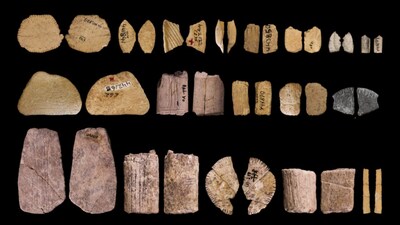
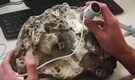
12,000-year-old mystery object found in North America— Could this be the world’s oldest dice?
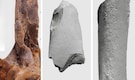
Scientists may have discovered the world’s oldest dice dating back 12,000 years, revealing how ancient humans may have understood chance and probability. Researchers suggest the objects may have been used in rituals or divination practices.
-

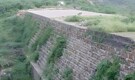
Was this India’s first smart water system? The 1,000-year-old mystery of Anangpur Dam in Delhi
Anangpur Dam, built over 1,000 years ago in the Aravallis, reveals how ancient India mastered water science, using natural systems to store and manage rainwater sustainably.
-
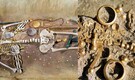
6,500-Year-old grave with 1.5 Kg Gold stuns scientists—World's oldest gold relic found in Bulgaria
Archaeologists discover the world’s oldest gold in a 6,500-year-old grave in Bulgaria. There are almost 300 ancient graves on the site, but Grave 43 hold over 1.5 kilograms of gold. Scientists believe that humans had already developed advanced metallurgy during the Copper Age.
-
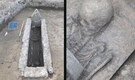
Buried with bronze: Archeologists unearth 2,500-year-old children with elite warrior belts in Italy
Archaeologists in southern Italy discovered children buried with 2,500-year-old bronze warrior belts, revealing surprising insights into ancient social status and burial rituals.
-
Did a 75-year-old whale song reveal ocean secrets? This 1949 recording has the answer
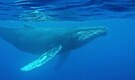
A forgotten 75-year-old recording is now the oldest known whale song, capturing the haunting sound of an ocean that once existed in near silence. The recording remained unknown, concealed for a long time.
-
A 50-year-old “Nuclear Tomb” holding 120,000 tonnes is cracking—What lies beneath Runit Dome?
With over 120,000 tonnes of radioactive material inside, the cracking Runit Dome is becoming a growing global concern. The dome was designed to contain contamination temporarily and it is cracking slowly.
-
Who built the 125,000-year-old ‘factory’? This German hill may hold clues to Neanderthal activity
Scientists discovered a 125,000-year-old Neanderthal site in Germany where thousands of animal bones were crushed to extract fat, revealing surprisingly advanced survival strategies.
-
Who is Ruby Reynolds? The 11-year-old-girl who discovered world’s largest known marine reptile in England’s Coast
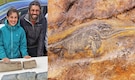
An 11-year-old fossil hunter helped scientists discover remains of a giant marine reptile that lived about 202 million years ago and may have been the largest sea reptile ever.
-
Scientists discovered a 200-million-year-old dinosaur fossil in Arizona; This crocodile cousin walked on 2 legs!
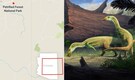
Scientists discovered a crocodile relative that is 200 million years old and had two legs. The diversity of reptiles during the Triassic period is shown by this discovery, which is long before crocodiles came into existence.
-
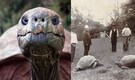
Meet Jonathan: This 194-year-old tortoise is the world's oldest living land animal on Earth
Jonathan, a Seychelles giant tortoise living on Saint Helena, has reached the remarkable age of 194, making him the oldest living land animal on Earth. Jonathan remains a beloved resident of Saint Helena and a global icon of resilience.
-
Rare Jurassic Nest: 150-million-year-old dinosaur egg nest discovered on Portugal’s Santa Cruz beach
Scientists discovered a 150-million-year-old dinosaur egg nest on Portugal’s coast, preserving multiple eggs in their original arrangement. This offers rare insights into Jurassic dinosaur reproduction and nesting behaviour.
-
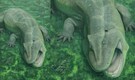
Meet Tanyka: A 275-million-year-old ‘weirdo’ with sideways teeth found in Brazil, considered as living fossil
Scientists discovered a bizarre 275-million-year-old aquatic animal with sideways teeth and a twisted jaw in Brazil, revealing a rare “living fossil” lineage from the Permian period.
-
Water-bottle sized Dinosaur: Scientists identify one of the world’s smallest dinosaurs from 95-million-years ago
Scientists have discovered a water-bottle sized dinosaur fossil in Patagonia, Argentina. The tiny predator lived 95 million years ago and ranks among the smallest dinosaurs ever identified.
-
507-year-old sea survivor: An ocean quahog, named “Ming” is the oldest non-colonial animal ever recorded!
A 507-year-old Atlantic clam stunned scientists with its extraordinary lifespan. Known as Ming, this ocean quahog offers rare insight into ageing, marine survival and centuries of climate history.
-
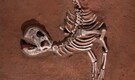
307-million-year-old plant-eater: Scientists found "Tyrannoroter heberti" could be the first plant eating animal
A 307-million-year-old tetrapod, Tyrannoroter heberti, is one of the earliest known plant-eaters on land. Its tiny teeth reshaped ecosystems and paved the way for humans’ plant-based meals.
-
Great Pyramid of Giza: This 4,500-year-old wonder amazes scientists with perfect "solar halo"| WATCH
A viral video captures an incredible “solar halo” forming above the Great Pyramid of Giza. The 4,500-year-old monument appears to meet a 4.6-billion-year-old star in a breathtaking cosmic alignment, creating a rare celestial spectacle.
-
Ancient wonder returns: "Lighthouse of Alexandria" stones found after 1,600 years underwater in Egypt
After more than 1,600 years underwater, massive stones from the legendary Lighthouse of Alexandria have been recovered. Using photogrammetry and 3D modelling, scientists are digitally reconstructing this ancient wonder.
-
Europe's Oldest Gold: Archeologists found 6,500-year-old gold in Bulgaria revealing ancient metallurgy
Archaeologists in Bulgaria have uncovered 6,500-year-old gold artefacts in an ancient grave, revealing evidence of early social elites and advanced metalworking in prehistoric Europe.
-
Scientists discovered 97-million-year-old ‘GPS’ that guided ancient animals to migrate
Scientists discover 97-million-year-old magnetic fossils that reveal how ancient animals used Earth’s magnetic field as a natural GPS for navigation.
-
Scientists discover ‘lost world’ in New Zealand cave that existed 1 million years ago
Scientists uncover a ‘lost world’ inside a New Zealand cave, revealing fossils of extinct birds and frogs from 1 million years ago. The discovery offers rare insight into ancient ecosystems.
-
Meet Horseshoe Crab: A 300-Million-Year-Old creature that outlived dinosaurs
Horseshoe crabs have survived 300 million years with little change. Their blue blood protects humans from bacterial contamination, linking ancient evolution to modern medicine and conservation urgency.
-
Alaska fossils misidentified as Mammoth bones for 70 Years revealed as Whale bones
For 70 years, fossils in Alaska were thought to be mammoths. New tests reveal they are ancient whales, rewriting museum history and surprising scientists worldwide.
-
This 400-million-year-old plant holds clues about Earth’s climate history
Ancient horsetail plants produce water with unusual oxygen isotopes, offering scientists a new tool to reconstruct Earth’s climate history and understand humidity patterns from millions of years ago.
-
Archeologists discovered India’s largest circular labyrinth of 2,000-year-old in Solapur
Archaeologists have uncovered India’s largest circular stone labyrinth in Solapur’s Boramani grasslands. Dating back over 2,000 years, this ancient maze hints at Indo-Roman trade links and historical sophistication.
-
Did koalas evolve from deadly relatives? Collagen reveals surprising family link
Study reveals koala have extinct from their ancient relatives, including marsupial lions and giant wombats. Ancient proteins clarify their evolution, extinction and observations for conserving modern Australian marsupials.