






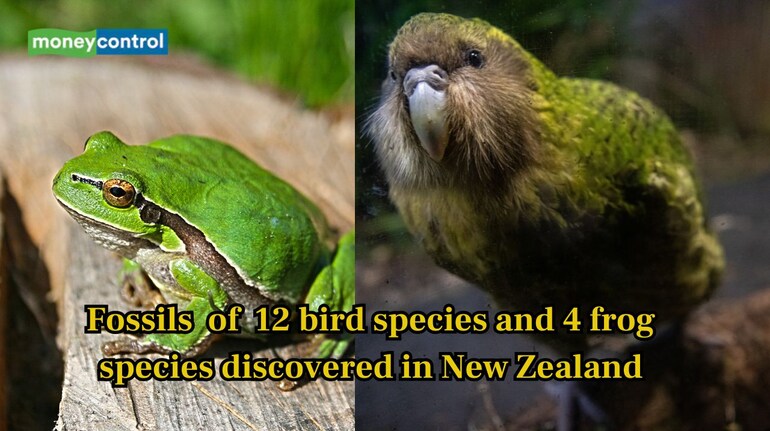

Deep underground in New Zealand, scientists have uncovered a hidden world from the distant past. Inside a limestone cave near the Waitomo region, researchers have found fossils that show what life looked like one million years ago. The discovery offers rare insight into an ancient ecosystem that existed long before humans reached the islands.
The cave acted like a natural archive. Over thousands of years, animals fell inside or were washed in by water. Their remains were slowly covered by sediments and volcanic ash. This sealed them from decay and preserved them for millions of years.
What Did Scientists Find?
Researchers identified fossils from at least 12 bird species and 4 frog species. Many of these animals are now extinct. Some were previously unknown to science. Among the most striking finds was an ancient parrot species, believed to be an early relative of today’s kakapo.
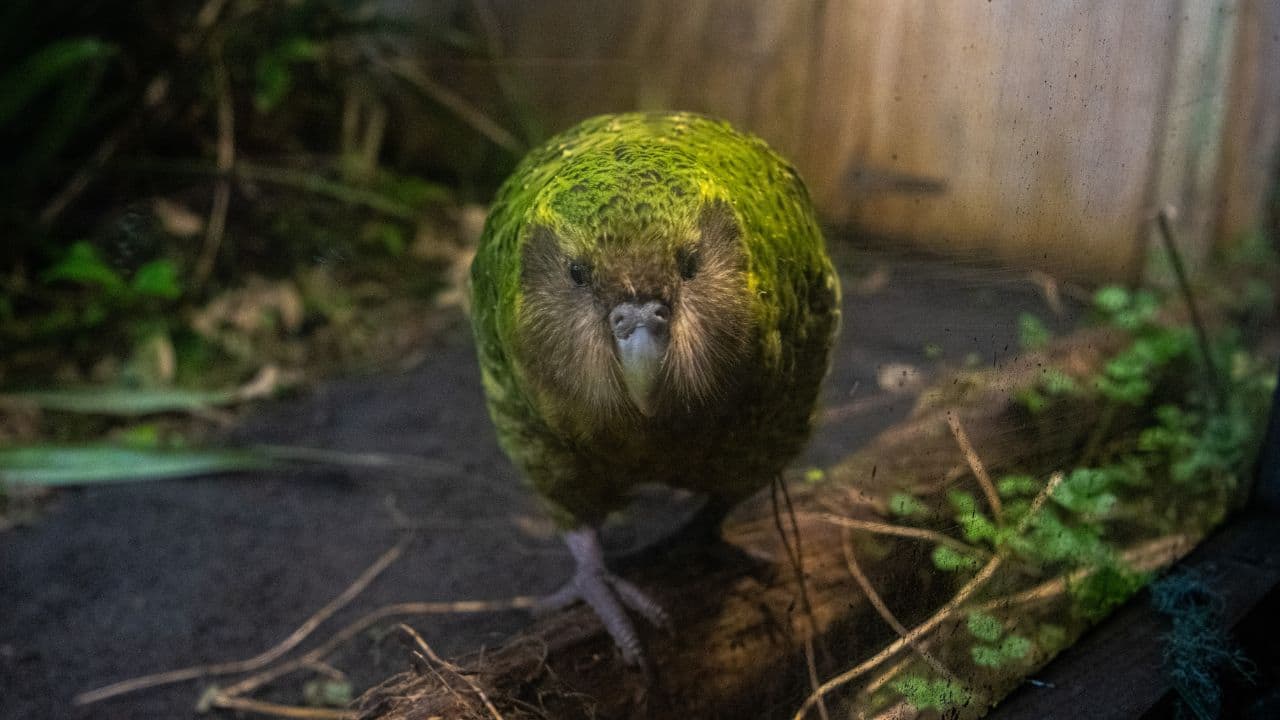 Kakapo (Image: Canva)
These Fossils Revealed Rich Ecosystem
Unlike the modern flightless bird, this prehistoric parrot may have been capable of flying. Scientists also found early ancestors of the takahe, pigeons and other forest birds.
Together, the fossils reveal a rich ecosystem filled with life. At the time, New Zealand was covered in dense forests, wetlands and rivers. Birds dominated the land. Mammals were almost absent. Frogs and insects played key roles in the environment.
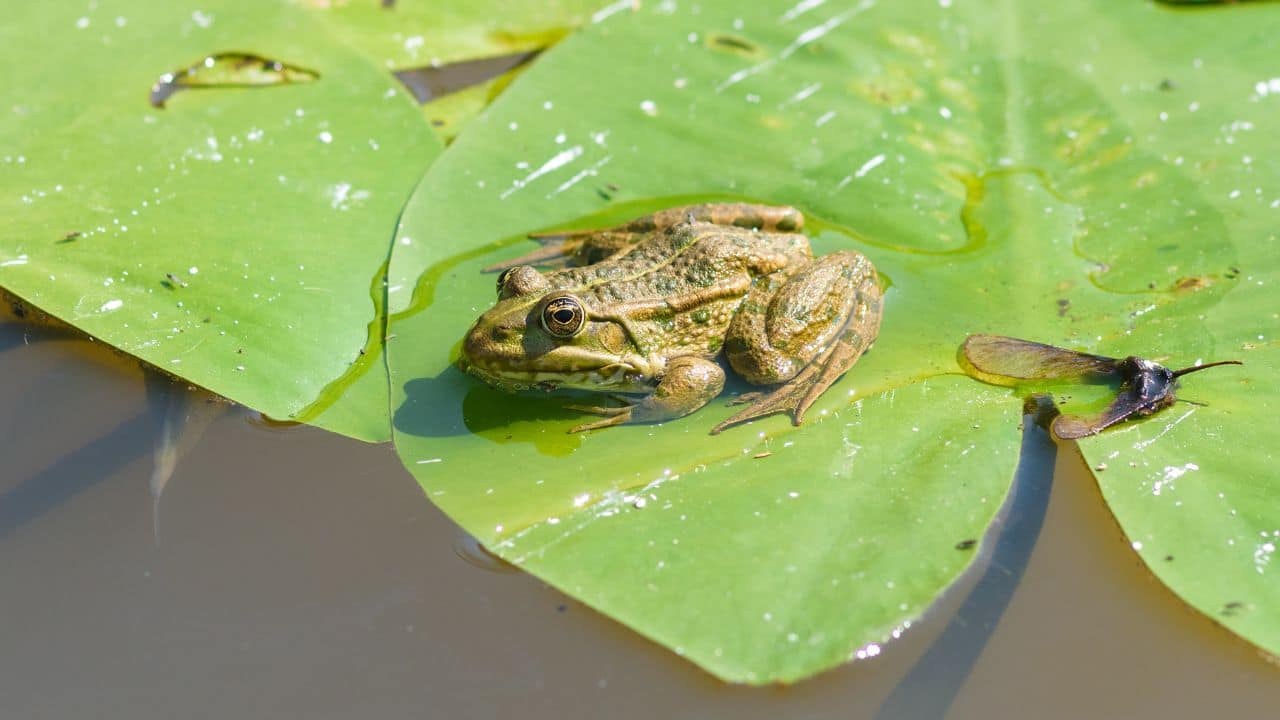 12 bird species and four frog species' fossils were found. (Image: Canva)
How Old Are These Fossils?
The remains were trapped between layers of volcanic ash. These ash layers came from known eruptions that occurred between 1.55 million and 1 million years ago. This helped scientists date the fossils accurately. Such precise dating is rare in fossil research. It makes this cave one of the most important prehistoric sites in the region.
Extinction Before Humans Arrived
One of the most important findings is also the most surprising. Many species found in the cave had already disappeared long before humans reached New Zealand. This suggests that climate change, volcanic activity and natural environmental shifts were already driving extinctions. Human impact came later. Nature had begun reshaping life much earlier.
Why This Discovery Matters?
This ancient cave fills a major gap in New Zealand’s history. Until now, scientists knew very little about life on the islands more than 500,000 years ago. This discovery pushes that timeline back by hundreds of thousands of years. It helps researchers understand how isolated ecosystems evolve.
It shows how species adapt, rise and vanish over time. It also offers lessons for the future. As climate change reshapes the planet today, this lost world reminds us how sensitive ecosystems can be. Hidden for a million years, this underground archive is finally speaking.
Discover the latest Business News, Sensex, and Nifty updates. Obtain Personal Finance insights, tax queries, and expert opinions on Moneycontrol or download the Moneycontrol App to stay updated!
Find the best of Al News in one place, specially curated for you every weekend.
Stay on top of the latest tech trends and biggest startup news.





