

Some plants hold secrets older than humanity. Researchers have discovered that horsetail plants, survivors from the Devonian period, produce water with strikingly unusual chemical fingerprints. These tiny variations in oxygen atoms could help unlock Earth’s ancient climate history.
It carries an isotopic signature rarely seen anywhere else on Earth. The discovery opens a new window on how plants can record environmental conditions over hundreds of millions of years.
Why are horsetails so special?
Horsetails are living fossils. They first appeared more than 400 million years ago. Modern plants resemble their ancient ancestors. They act as natural water pumps, moving moisture from roots to tips. But scientists found something remarkable. The water in horsetails shows extreme shifts in oxygen isotopes.
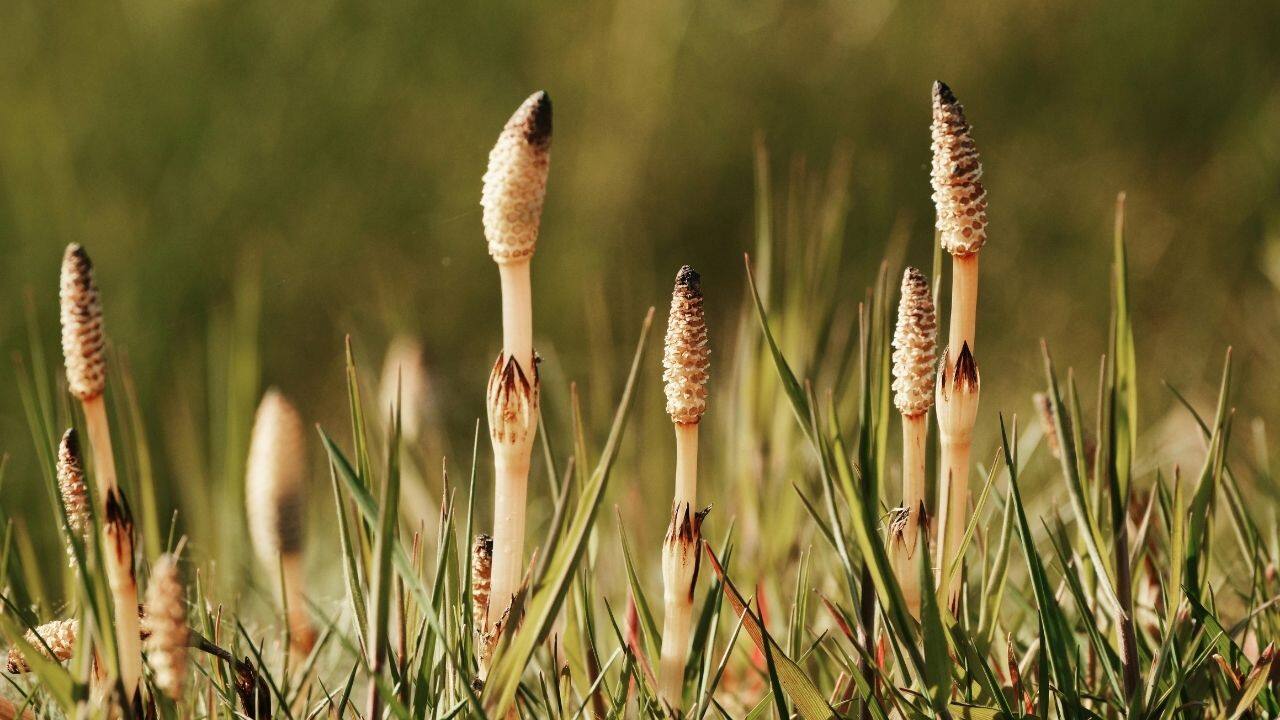 These isotopes act as markers. (Image: Canva)
These variations from isotopes are unusually pronounced. These isotopes act as markers, capturing information about humidity, climate and even atmospheric conditions.
How did scientists spot this hidden signal?
The research team, led by scientists at the University of New Mexico, measured oxygen isotopes along the length of horsetail stems. They discovered consistent patterns that differ from ordinary plant water. These patterns reveal how plants redistribute water in highly precise ways.
By comparing modern horsetails to fossilised remnants, researchers can track ancient climate trends. Even tiny isotope differences tell a story of humidity and environmental changes across geological time.
What makes this finding a game-changer?
Water isotopes are a cornerstone of climate science. Previously, scientists relied on ice cores, sediment and tree rings. Now, plants themselves offer a new archive. Horsetails provide a unique, living link to Earth’s deep past.
Their isotopic fingerprints could reveal climates that existed hundreds of millions of years ago. This method may help fill gaps in our understanding of early Earth environments.
Could these plants help predict the future?
Understanding ancient climate patterns is more than academic. Scientists can make new models for modern climate change. By knowing how humidity and temperature shifted historically, predictions for future weather patterns can improve.
Horsetails may also inspire new water management strategies. Their ability to channel water efficiently could guide bioengineering and sustainable agriculture.
Discover the latest Business News, Sensex, and Nifty updates. Obtain Personal Finance insights, tax queries, and expert opinions on Moneycontrol or download the Moneycontrol App to stay updated!





Find the best of Al News in one place, specially curated for you every weekend.
Stay on top of the latest tech trends and biggest startup news.