Tata Motors recorded its highest-ever annual sales of 3,70,372 units in FY22, a growth of 67 percent over FY21. The Indian carmaker’s domestic sales increased by 30 percent to 86,718 vehicles in March compared to 66,462 units in the year-ago period, with SUVs giving a big push to the number.
The company's passenger vehicle wholesales were up 43 percent at 42,293 units in the previous month against 29,654 cars in March 2021, Tata Motors said on April 1.
Part of the Tata Group, Tata Motors is a $34-billion auto manufacturer , which leads the commercial vehicles segment and is among the top three in passenger vehicles.
Growth drivers
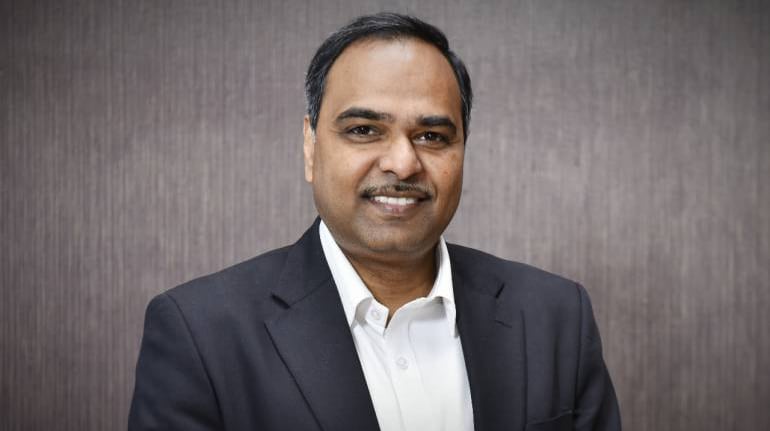
Shailesh Chandra, Managing Director of Tata Motors and Head of the Passenger Vehicles business unit, has said the tremendous response of customers to the new range of vehicles and agile action on the supply side were the key growth drivers.
“The last financial year had been challenging for the entire industry because of semiconductor crisis, two waves of COVID-19 and commodity price increase. Our sales have been highest ever… which has been on back of tremendous response to our New Forever range. At the same time, we took some really agile actions on the supply side,” Chandra said in an interaction with CNBC-TV18 on April 4.
On the demand side, clearly, the growth drivers were the sports utility vehicles (SUV), and the company closed March with the highest ever numbers, Chandra said. “This has been on the back of four models—Nexon, Punch, Harrier and Safari,” he said.
For the first time, the Nexon was ranked number one among the SUVs for the entire financial year and closed with a sale of nearly 1,25,000 units, he said. It was number one among 45 SUVs in the country.
The Punch also appeared in the top 10 most sold cars along with the Nexon, he said. Within six months of launch, it crossed 50,000 sales.
Besides, the Harrier and the Safari, too, for the first time together touched 50,000 in the last financial year. Apart from that electric vehicles, too, were gaining traction, Chandra added.
Also read: Tata Motors' Shailesh Chandra: '55% of Nexon customers are first-time buyers'
Electric vehicle sales continued to see rapid growth on the back of strong acceptance of the Nexon EV and Tigor EV, he added. "Our annual EV sales touched 19,106 units, a growth of 353 percent vs FY21," he said.
Production
Chandra said the company had increased its capacity exponentially in the last two years. “In FY20 the production stood at about 1,35,000 units, while in FY21 it was increased to 2,22,000. We closed FY22 at 3,70,000, which is roughly 2.8 times growth in the last two financial years. The next FY I’d not like to speculate at this stage,” he said.
Also read: Tata Motors to increase prices of commercial vehicles from April 1
Speaking about the impact of chip shortage that has plagued the industry for more than a year now, Chandra said, “Right now the limiting factor is certain electronic components, on which we are very closely working with our suppliers and taking alternate actions to see how we are able to unleash the further potential we have.”
Another hike coming
Tata Motors, which hiked the prices of its commercial vehicles from April 1 to offset the increase in raw material costs, will go for another hike.
Besides semiconductor prices, the rising cost of raw materials is another big challenge for the automobile industry. “Commodity prices in the last two years have been nearly 10 percent of the revenues, if not more. Although it started moderating Q4 onward, but we still see there have been hikes.
“Another thing which is less talked about is the open market buys that we are going for in semiconductors, which is costly. So, there is an increase in the semiconductor cost and the price hike seems inevitable,” Chandra said, adding the company hadn’t decided when the prices would be raised.
Discover the latest Business News, Sensex, and Nifty updates. Obtain Personal Finance insights, tax queries, and expert opinions on Moneycontrol or download the Moneycontrol App to stay updated!
Find the best of Al News in one place, specially curated for you every weekend.
Stay on top of the latest tech trends and biggest startup news.