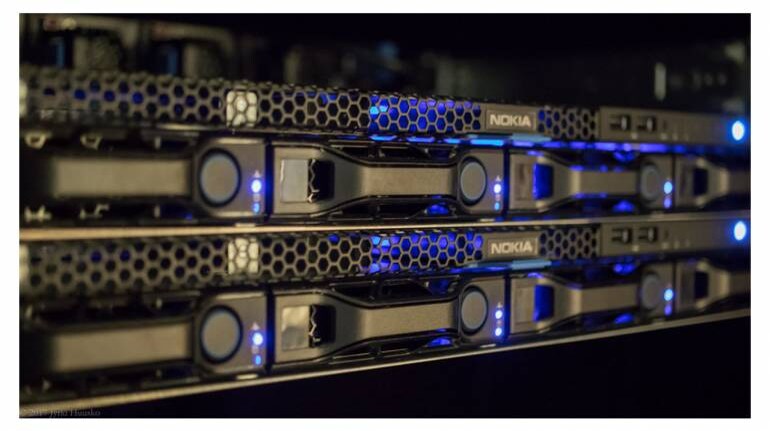
Edge Computing is the act of collecting, reading and analysing data but close to where the source of the data originated. To make things even simpler, imagine large wheel with spokes on the edges and the data that is generated is at the centre of the wheel. Any data being read and analysed on the edge of the spokes will be considered part of edge computing.
Okay. How is this different from cloud computing?
For starters, edge computing is a local decentralised process. It does not rely on the cloud for its analysis, rather it speeds up the transfer of data to the cloud by analysing and sorting it offline before it is moved to the cloud. It compliments the cloud.
A good example of this would be TouchID on the Apple iPhone. All your fingerprint data is stored offline on your smartphone, when you need authenticate for a payment, your information is pulled from your device rather than the cloud and once authenticated, your smartphone tells the payment gateway to go ahead with the payment. It speeds up the process and improves on-device security.
Of course, this is just a basic example. There are tons of use case scenarios for Edge Computing all around us like a complex traffic parsing system or the wearable on your wrist that collects and analyses your body monitoring data before it is sent to the cloud. Even the dedicated chip in your Chromecast or Fire TV stick that optimises the video you stream in real-time for lag free viewing.
In some ways, Edge Computing helps speed up data delivery and collection from the cloud by moving all the intensive analysing tasks offline. It helps deliver faster decision making and reduces the bandwidth strain by moving only the analysed tasks to the cloud.
Why is Edge Computing now more important that ever?
With the advent of the pandemic, many companies have now been forced to digitise or get left behind. The new paradigms of work have also meant more bandwidth usage and more strain on our online infrastructure. The problem is Cloud Computing is a natively centralised computing paradigm and looses effectiveness when under strain due to a variety of factors.
For lack of a better word, Edge computing helps take the “edge off” so to speak. It moves all the heavy lifting offline and reduces the strain on the centralised cloud servers. It also always keeps data local and available, which means it can be transferred back and forth with extremely low latency requirements and strain on bandwidth.
According to research by Gartner, we can expect to see more than 20 million internet enabled devices by 2025 with an astonishing 1.7MB of data being generated per second. Realistically, a centralised cloud-based architecture would not be able to handle this load. Which is why we have already started seeing offline implementations of machine learning and AI routines that handle all the number crunching offline, reducing the load on cloud.
The effective usage of edge computing techniques together with cloud computation is the future we are headed towards. These two technologies will work to mask each other’s weakness and take advantage of the strengths they possess. This will allow us to sync relevant and useful data to the cloud reducing strain on infrastructure.
Since Edge Computing can harness the power of readily available devices like smartphones, desktops, fitness devices etc. they also help reduce emissions by cutting down on unnecessary cloud traffic.


Discover the latest Business News, Sensex, and Nifty updates. Obtain Personal Finance insights, tax queries, and expert opinions on Moneycontrol or download the Moneycontrol App to stay updated!
Find the best of Al News in one place, specially curated for you every weekend.
Stay on top of the latest tech trends and biggest startup news.