-
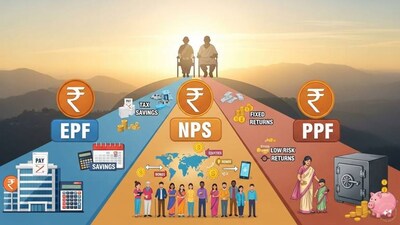
EPF, NPS or PPF: which retirement savings option works best for you?
The most effective retirement strategy is a combination approach, using EPF or PPF for stability and NPS for growth potential
-

Retirement planning: Should you lock money in NPS or stay flexible with mutual funds?
This isn’t a question of which is better. It’s a question of what problem you’re trying to solve.
-
Have an inactive EPF account? Here’s how you can get your money back
An EPFO account becomes inactive if there has been no contribution or transaction for three consecutive years
-
How much should you have saved for retirement at every age?
The number changes with every decade, and so does the pressure.
-
Already contributing to EPF? Does it make sense to invest in NPS through your employer
If both EPF and NPS contributions are structured under CTC, your take-home pay may be reduced, which can be partly offset by tax savings
-
Personal Finance: Why you must think about retirement planning
A recent survey shows that retirement readiness has declined over the years
-
PFRDA introduces NPS Swasthya scheme for medical expenses: Check eligibility, charges and claim rules
A Common Scheme Account must be opened along with the NPS Swasthya Pension Scheme Account if it is not already existing
-
Budget 2026 expectation: Tax relief on annuities could shape retirement security
It is pertinent to note that India’s insurance sector has made steady progress, but penetration and coverage gaps remain significant, particularly in retirement planning and rural protection
-
Rs 10 crore in 30 years: Rs 32,500 monthly SIP can do it
Invest wisely for financial freedom. Aim for 30-40 times annual expenses to build retirement corpus, invest 30 percent of pay, and leverage SIPs.
-
Retirement planning when your parents depend on you too
For millions of Indians, retirement is no longer just about their own old age. It also has to carry the financial weight of their parents’ final decades
-
The 80% retirement rule explained: How much income you may actually need after you stop working
A practical look at the “80 percent rule,” why it is useful, and how you can adapt it to your own retirement planning
-
Are you actually ready for retirement, or just hoping you are?
A comfortable retirement is less about a single “magic number” and more about whether your future cash flow can survive inflation, healthcare shocks and a longer life than you’re planning for.
-
Rs 80 lakh in FDs: Is it enough to retire in five years?
Retiring at 55 with Rs 80 lakh in FDs is challenging because of a Rs 1.03 crore deficit. Diversify investments, adopt a 3-4% withdrawal rate and build contingency funds for a secure retirement, say experts
-
How to know if you’re saving enough for retirement
A quick, no-jargon check to see if your monthly saving, investing, and debt choices will actually fund the life you want after work.
-
Retirement planning: Are solution-oriented funds the smart choice?
These funds promise a mix of growth and safety, but do they fit your retirement goals?
-
What is 4 per cent rule of withdrawal from corpus after retirement?
Understanding the 4 per cent rule can help retirees plan their finances for a secure and worry-free retirement.
-
How to make your Rs 1 crore retirement corpus last 25–30 years with smart asset allocation
Even post-retirement, at least 30–35% equity exposure is necessary. The best way is through Systematic Withdrawal Plans from equity mutual funds, which provide monthly income while keeping money invested for growth
-
EPF transfer, passbook access to get easier for employees, but more reforms needed, say experts
EPFO has decided to allow employees to directly access Annexure K – the key document for EPF transfer while switching jobs – online, a relief for employees who wish to monitor their balance and the process.
-
PFRDA may cut mandatory annuitisation to 20%, allow systematic redemption for NPS corpus up to Rs 12 lakh
Subscribers with accumulated corpus of up to Rs 12 lakh at the time of regular exit could be permitted to make a lump-sum withdrawal of 50 percent of the corpus or Rs 6 lakh, whichever is higher, and for the balance amount, opt for systematic unit redemption or purchase annuities or a combination of both.
-
Mini retirements: A growing trend among Indians, 64% Gen Z and 58% millennials in favour, reveals HSBC survey
85% of Indians believe mini retirements enhance quality of life, with 48% planning to take at least one break, and 44% considering multiple breaks over their lifetime.
-
Retirement planning with mutual funds: Are they the right choice for you?
You can use mutual funds to accumulate a sizable retirement corpus, but the appropriate type and strategy will be the key.
-
Switching jobs? Know the hurdles in transferring your EPF
From procedural delays to mismatch in personal information or other data, accessing EPF funds remains a frustrating battle for employees across India
-
Pursuing financial freedom: A step-by-step guide towards FIRE
The early-retirement movement involves aggressive saving and investing to drop out of the work life before superannuation, which requires tailored strategies to beat inflation, market volatility, and unique financial challenges and obligations.
-
Falling interest rates: Is now the time to lock into annuity plans for higher payouts?
For someone on the verge of retirement, annuities can offer a secure and predictable income stream.
-
How technical glitches can erase 15 years of your EPF service overnight
Such errors, even if inadvertent, by employer-managed exempted PF trusts can have devastating consequences for employees.