-
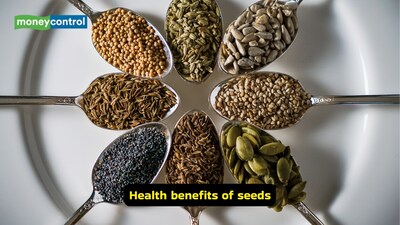
Health benefits of seeds: 9 superfoods for instant energy, brain health in your daily diet
Superfood seeds: If you want to improve digestion, boost energy, support heart health, and more then Seeds are your answer as they are important sources of nutrition, packed with protein, fiber, healthy fats, vitamins, and minerals.
-

National Sports Day 2025: Why your mind, not just your muscles, decides how far you’ll go in sport
Sports aren’t only about strength and speed. Staying calm, handling pressure, and bouncing back from failure make the real difference, and that’s all about training the mind.
-
12 everyday foods that help your body fight viruses
You know the basics of staying healthy, wash your hands, get enough sleep, and stay active. But did you know that what you eat can also shield you from illnesses. What you eat every day has a big say in how strong your body is against viruses
-
What is endometriosis? Understanding its causes, symptoms, risk factors and more
Endometriosis is the presence of functioning endometrial tissue outside the uterus, influenced by hormones and causing symptoms like dysmenorrhea, pelvic pain, urinary or gastrointestinal issues, and infertility. It commonly affects women aged 30–45, with risk factors including low parity and delayed childbearing. Diagnosis is confirmed by laparoscopy, with hormonal or surgical management.
-
Difficulty in swallowing? 10 reasons a tongue ulcer could be a reason
Carcinoma tongue affects both genders equally and is linked to smoking, alcohol, tobacco, and premalignant lesions. Symptoms include ulcers, salivation, speech issues, foul odour, voice change, and lymph node involvement. Diagnosis relies on biopsy, imaging, and laryngoscopy. Prevention focuses on quitting tobacco, alcohol avoidance, and lifestyle changes for oral health.
-
What is glaucoma and intraocular pressure? Understanding the disease, risks, and management
Glaucoma is a group of eye disorders causing optic nerve damage, often linked to raised intraocular pressure but not always. Risk factors include age, myopia, diabetes, hypertension, and smoking. It may be asymptomatic initially, later affecting vision. Diagnosis uses tonometry, gonioscopy, and slit-lamp examination. Treatment includes medicines or filtration surgery.
-
Tired with yellow eyes? 10 things to knows about jaundice: Causes, symptoms and management
Jaundice is yellowish discoloration of skin, sclera, and mucous membranes caused by raised bilirubin. It may be haemolytic, hepatocellular, or obstructive. Causes include liver disease, drugs, infections, and pregnancy-related obstruction. Symptoms range from pallor, dark urine, and clay stools to itching and bleeding tendencies. Diagnosis uses liver function tests and imaging.
-
Causes of neck swelling: It’s not always your thyroid
Neck swellings can arise from various causes, not just thyroid issues. They may result from cysts, infections, lipomas, aneurysms, or congenital abnormalities. Symptoms like pain, size, and movement help identify the cause. Medical evaluation is essential to rule out complications and guide appropriate treatment, including surgery or medication.
-
Sudden facial weakness? Everything to know about facial nerve palsy: Causes, symptoms, and management
Facial nerve palsy, also called facial paralysis, affects one or both sides of the face. Causes include stroke, tumors, diabetes, leprosy, multiple sclerosis, and Bell’s palsy. Symptoms include facial drooping, numbness, drooling, hyperacusis, and reduced tear or saliva production. Diagnosis is mainly clinical, with treatment involving eye care, steroids, and antivirals.
-
What is pterygium: A common eye condition that can blur vision
Pterygium is a wing-shaped conjunctival fold encroaching the cornea, common in hot, dry, dusty climates with sun exposure. It affects elderly outdoor workers, may cause astigmatism, and requires surgical treatment. Differentiation from pseudo-pterygium is essential. Recurrence is frequent, with postoperative drugs like mitomycin used to reduce regrowth and complications.
-
What is diabetic retinopathy: Symptoms, causes, and ways to prevent blindness
Diabetic retinopathy is a common diabetes-related eye complication caused by retinal changes. Risk factors include long diabetes duration, female gender, heredity, pregnancy, hypertension, smoking, obesity, and hyperlipidemia. Prevention involves strict blood sugar, blood pressure, and cholesterol control, healthy lifestyle, medications, and regular ophthalmic screening to detect and manage early changes.
-
A simple guide to seizures and fainting: It's causes, symptoms, and care
Seizures are sudden, uncontrolled CNS discharges, often without triggers, causing immediate unconsciousness, facial changes, frothing, and post-event disorientation. Syncope is brief fainting due to reduced blood flow, often triggered by stress or position change. Diagnosis relies on duration, symptoms, and posture; management includes anti-epileptics for seizures and treating underlying causes for syncope.
-
Conjunctivitis: 10 symptoms, causes, how it spreads, and preventive tips
The conjunctiva is a thin protective layer of the eye. Conjunctivitis can be caused by bacteria, viruses, fungi, parasites, or allergies. It can spread through dirty hands, poor hygiene, flies, or by sharing personal items. Common symptoms include redness, swelling, watery or sticky discharge, itching, and pain. Prevention requires hygiene and avoiding shared items. Treatment may include antibiotic or antiviral eye drops, and washing the eyes with clean water.
-
10 things to know about pneumonia: It's causes, risk factors, symptoms, and management
Pneumonia is an acute inflammation of the lung parenchyma, often filling alveoli with fluid. Causes include bacteria, aspiration, radiation, and poor hygiene. Risk factors are age, co-morbidities, smoking, alcohol, and low immunity. Symptoms include fever, chills, cough, chest pain, and delirium. Diagnosis uses CURB 65; treatment includes antibiotics and oxygen.
-
What is external auditory canal? All about its structure, disorders, and infections
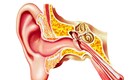
The external auditory canal conducts sound and protects inner ear structures. Disorders include congenital atresia, impacted wax, lacerations, furuncles, diffuse otitis externa, fungal infections, malignant otitis externa, eczematous otitis, and neurodermatitis.
-
Cataract symptoms, causes and best treatment options to protect your eye lens
Cataract is the development of lens opacity, either congenital or age-related. Causes include genetics, maternal factors, UV exposure, poor diet, smoking, and diabetes. Symptoms include glare, double vision, halos, and gradual painless vision loss.
-
10 facts about leukoplakia: Characteristics, risk factors, and management
Leukoplakia is a common premalignant white patch in the oral cavity, often caused by smoking, alcohol, spicy foods, and irritation from sharp teeth. It typically affects those over 40 and can become cancerous. Treatment includes lifestyle changes, lesion excision, medications like isotretinoin, and regular medical follow-up.
-
Best yoga poses: 10 fitness benefits of doing yoga asanas daily
Health benefits of yoga: Practising yoga keeps your body flexible, helps to manage pain, lifts your mood, and also improves your health in every day life. From easing anxiety to helping with diabetes, here’s how adding yoga to your every day routine can help boost your health.
-
7 simple reasons why you should stop eating high-fat sugary snacks
Eating too many fatty and sugary snacks harms your body, from weight gain to mood dips. Here’s why cutting back is one of the best things you can do for better health and well-being
-
What is otosclerosis? 10 causes, symptoms, and important surgical points
Otosclerosis is an inner ear condition where abnormal bone growth, often at the stapes, causes progressive hearing loss. Common in young adults, it may worsen during pregnancy. Symptoms include tinnitus, giddiness, and paracusis willisii. Treatment involves surgery or hearing aids, with precautions like avoiding air travel and heavy lifting post-surgery.
-
10 things to know about rheumatoid arthritis: Causes, symptoms and more
Rheumatoid arthritis is a chronic inflammatory disease affecting multiple joints and systems, mainly adults. Genetic and environmental factors, including smoking, contribute. Symptoms include joint pain, stiffness, deformities, anemia, and eye issues. Management includes medications, gentle exercise, stress relief, and smoking cessation to improve quality of life and slow progression.
-
10 things to know about peptic ulcers : Causes, risk factors and more
Peptic ulcers are breaks in the mucosal lining, often affecting the duodenum. Common causes include Helicobacter pylori, NSAIDs, smoking, alcohol, stress, and certain therapies. Symptoms include burning abdominal pain, heartburn, and appetite loss. Management involves avoiding triggers, using antacids, and in severe cases, surgery to treat complications like perforation or bleeding.
-
10 smart ways to manage psoriasis flare-ups: Prevention, treatment and more
Psoriasis, a long-term inflammatory skin disease, may occur due to certain genetic factors, that may combine with triggers to produce the condition. Better control of symptoms together with reduced long-term risks becomes possible through understanding the different types of psoriasis and their symptoms and treatment methods.
-
10 warning signs your thyroid hormones may be out of control
Thyrotoxicosis is caused by elevated levels of thyroid hormones (T3 and T4), often due to hyperthyroidism. Symptoms include weight loss, increased appetite, palpitations, breathlessness, tremors, sweating, and eye bulging. Diagnosis involves thyroid function tests and antibody levels.
-
10 facts about aortic stenosis you should know
Aortic stenosis is a progressive narrowing of the aortic valve, reducing blood flow from the heart. Common in older adults, it causes breathlessness, chest pain, and fainting on exertion. Diagnosis involves imaging and ECG. Severe cases may need surgery. Avoiding strenuous activity is essential, especially in symptomatic individuals.
-
Diet guide: 9 best foods that improve sperm quality, boost reproductive health, regulate hormones
Reproductive health is not only about hormones — healthy hormones come from genetics, diet, and nourishment at the cellular level. For long-term reproductive health it is vital to ensure you have a balanced, nutrient-dense diet, keep yourself adequately hydrated, and avoid processed foods.
-
What is vasal polyps? 10 things to know about mucosal overgrowth in the nose
Nasal polyps are soft, non-cancerous growths in the nasal or sinus lining, often linked to chronic rhinosinusitis, asthma, allergies, and aspirin intolerance. They cause nasal obstruction, loss of smell, and headaches. Diagnosis is clinical, and treatment ranges from antihistamines to surgical removal through functional endoscopic sinus surgery (FESS).
-
10 step guide to understanding breast cancer— Risk factors, genetics and importance of early detection
Breast cancer is a common malignancy in women with multiple risk factors including genetics, early menarche, late menopause, obesity, nulliparity, late childbirth, HRT, radiation exposure, and family history. Diet, lifestyle, and self-examination play key roles in prevention and early detection. Early diagnosis greatly improves outcomes and survival rates.
-
Fatty liver disease on rise among tech workers: 6 morning habits to reverse it naturally
With 80% of IT professionals showing signs of fatty liver, experts say simple morning changes can help reverse this lifestyle disease within months.
-
8 simple tips to control uric acid naturally
Uric acid is a natural part of our body, but if it becomes too much, it can cause pain in joints and other health problems. With a few simple daily habits, we can keep it under control and stay healthy.
-
Understanding palatine tonsils and tonsillitis: Structure, function, symptoms, and treatment
Palatine tonsils protect against infections by detecting and destroying pathogens. Most active in children, tonsils can become inflamed, causing tonsillitis—acute or chronic—due to viruses or bacteria. Symptoms include sore throat, fever, and swelling. Treatment involves rest, fluids, and antibiotics if bacterial infection is suspected.
-
10 tips to keep your brain young— Physically and mentally
Staying physically active slows cognitive decline, preserves brain structure, boosts memory, reduces mortality risk, and supports mental performance and long-term health resilience
-
Understanding allergic rhinitis and its impact, symptoms and prevention
Allergic rhinitis is an immune response of the nasal mucosa to airborne allergens like pollen, dust mites, and dander. It may be seasonal or perennial and is influenced by genetics. Symptoms include sneezing, nasal discharge, itching, and congestion, with phases of acute and delayed responses. Clinical signs such as a nasal crease and eyelid swelling help diagnosis. Complications include sinusitis, nasal polyps, and asthma. Management focuses on allergen avoidance through hygiene measures, environmental control, and dietary adjustments.
-
10 things you should know about chronic suppurative otitis media
Chronic suppurative otitis media is a persistent middle ear infection marked by discharge and eardrum perforation. Complications range from facial paralysis to meningitis. Risk factors include age, poor hygiene, and immunosuppression. Diagnosis involves imaging, and treatment includes antibiotics, aural toilet, and possibly surgery like tympanoplasty or mastoidectomy for severe cases.
-
A 10 step guide in understanding the prostate gland in aging males
Benign prostatic hyperplasia (BPH) is a common, age-related enlargement of the prostate gland in men, causing urinary issues like frequency, urgency, weak stream, and retention. It can mimic other conditions and lead to complications. Proper diagnosis with urine tests, imaging, and PSA levels is essential for effective management and care.
-
Appendicitis symptoms in adults, causes, and how to avoid rupture or abscess formation
Appendicitis is the inflammation of the appendix, often caused by obstruction or infection. It commonly affects young men and may show seasonal trends. Symptoms include abdominal pain, vomiting, and fever. Risk factors include family history, infections, and bowel diseases.
-
Peripheral neuropathy: here’s why you might experience tingling and numbness in your limbs
Peripheral neuropathy damages peripheral nerves, causing numbness, tingling, and weakness, often starting in the feet and hands. Causes include vitamin deficiencies, certain medications, alcohol abuse, infections, and chronic diseases like diabetes. Diagnosis involves clinical examination and history. Treatment focuses on correcting causes, reducing toxins, and supportive therapies like physiotherapy.
-
All you need to know about Buerger’s disease: A preventable vascular threat tied to tobacco use
Thromboangiitis obliterans (Buerger’s disease) is an inflammatory condition affecting small blood vessels, primarily in smokers. It causes pain, reduced circulation, and can lead to gangrene. Symptoms include limb pain, weak pulses, and ulcers. Diagnosis involves vascular tests. Quitting tobacco, proper foot care, exercises, and lifestyle changes are essential for management.
-
All You Need to Know About Intestinal Obstruction
Intestinal obstruction is a condition where digested food cannot pass through the bowel. It may be mechanical or due to impaired movement. Symptoms include abdominal pain, vomiting, distension, and constipation. Causes range from hernias to infections. Timely diagnosis and treatment, including surgery and supportive care, are essential to prevent serious complications.
-
10 things to know about osteoporosis: The silent bone disease
Osteoporosis weakens bones by reducing bone mass and disrupting structure, increasing fracture risk. Women, elderly, and those with hormonal or nutritional issues are most affected. It often remains silent until a fracture occurs. Diagnosis uses imaging and bone density testing. Treatment focuses on lifestyle changes, calcium intake, quitting smoking, and weight-bearing exercises.
-
Liver failure, toxin build-up, and its effects on the brain
Hepatic encephalopathy arises from chronic liver damage and leads to brain dysfunction due to toxin buildup, especially ammonia. Symptoms include altered sleep, confusion, tremors, and coma. Causes include cirrhosis, drugs, and infections. Diagnosis is clinical and supported by neuropsychometric tests like the number connection test. Prompt treatment is essential.
-
Symptoms of Postpartum Hemorrhage: How to recognise, respond, and recover from the condition
Postpartum hemorrhage is excessive bleeding after childbirth, usually over 500 ml. Causes include uterine atony, trauma, retained tissue, and clotting problems. Risk factors are multiple pregnancies, prolonged labour, and uterine abnormalities.
-
Symptoms of Enteric Fever: Spotting, stopping, and surviving Typhoid and Paratyphoid
Enteric fever, caused by Salmonella typhi and paratyphi, spreads mainly through contaminated food and water. Symptoms include prolonged fever, headache, abdominal pain, and rash. Early diagnosis and treatment are crucial to prevent complications.
-
12 best plant-based protein-rich foods for vegetarians and vegans
Diet tips: Are you a vegetarian or a vegan on the hunt for protein rich foods? Look no further. From lentils, legumes, seeds, nuts and more, here is a list of 12 foods that you can choose from.
-
Top 5 celebrities and their unbelievable weight loss: Diet secrets and workout routines revealed
Weight loss is not easy. It requires intense dedication and willpower when it comes to diet and workout. Here’s a look at 5 celebrities who stunned fans by shedding several kilos under the expert guidance of their trainers and nutritionists, and how they did it.
-
Abnormal Uterine Bleeding: Types, causes, diagnosis, and management
Abnormal uterine bleeding (AUB) refers to bleeding that differs in volume, frequency, or duration from normal cycles. It includes patterns like menorrhagia, polymenorrhea, metrorrhagia, oligomenorrhea, and hypomenorrhea. Causes vary from hormonal imbalances to infections. Diagnosis involves clinical evaluation and tests, with treatment based on the underlying cause and severity
-
Understanding Pleural Effusion: Types, causes, symptoms, diagnosis and treatment
Pleural effusion is the abnormal accumulation of fluid in the pleural cavity, caused by conditions like heart failure, infections, malignancy, or liver disease. It presents with breathlessness, chest pain, and reduced breath sounds. Diagnosis involves imaging and fluid analysis. Treatment targets the underlying cause and may include drainage to relieve symptoms
-
Health benefits of chia seeds: Don't mix this super seed with these 9 foods
Chia seeds health benefits: Packed with nutrients, fibre, Omega-3 fatty acids and antioxidants, this super seed supports gut and heart health, help with digestion, and provide an energy boost. But to get our most of chia seed's health benefits, don't mix it with these foods.
-
What are Haemorrhoids (piles)? Signs, stages & how to treat them naturally
Haemorrhoids, or piles, are swollen vascular structures in the anal canal caused by excessive pressure or straining. They may bleed, prolapse, or cause pain. Young individuals often have vascular types, while older people show mucosal types. Symptoms include bleeding, discomfort, and itching. Severity varies with degree. Treatment depends on stage
-
10 ayurvedic daily habits that redefine self-care
International Self Care Day 2025: Here's a reminder that it’s time to bring the focus back to daily self care. According to Ayurveda one simple and healthy act, done regularly, paves way for real healing. Here are some small, daily rituals that can help to recharge your body, soothe your nerves, and promote good health, without stress or spending a lot of money.