- My Alerts
- Go Ad-Free
-
My Account











What are Haemorrhoids (piles)? Signs, stages & how to treat them naturally
Haemorrhoids, or piles, are swollen vascular structures in the anal canal caused by excessive pressure or straining. They may bleed, prolapse, or cause pain. Young individuals often have vascular types, while older people show mucosal types. Symptoms include bleeding, discomfort, and itching. Severity varies with degree. Treatment depends on stage




1/10
The Origin and Meaning of Haemorrhoids
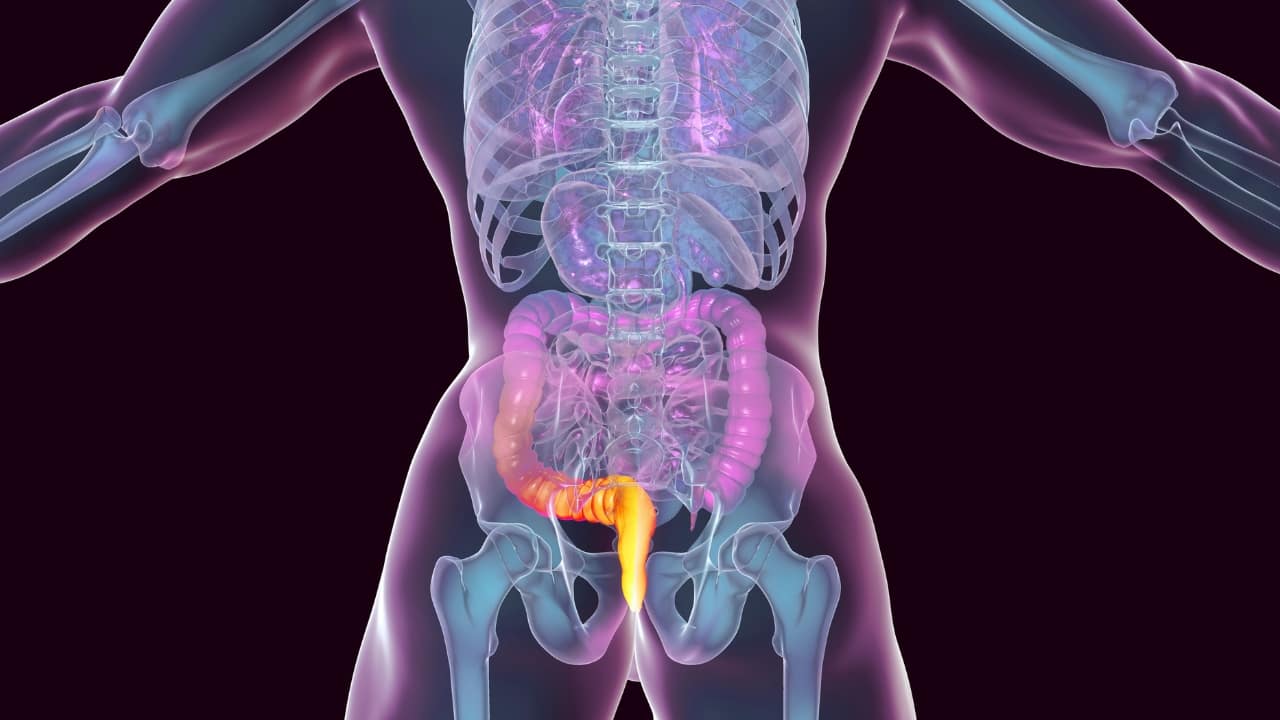
Etymologically, haemorrhoids, also called piles, means bleed (haima) and flowering (rhoos). It involves the downward sliding of the aggregation of blood vessels, muscles and connective tissue (anal cushion) because of excessive pressure or straining. Vascular type of piles is seen in the young, while mucosal type is common in older populations.
Etymologically, haemorrhoids, also called piles, means bleed (haima) and flowering (rhoos). It involves the downward sliding of the aggregation of blood vessels, muscles and connective tissue (anal cushion) because of excessive pressure or straining. Vascular type of piles is seen in the young, while mucosal type is common in older populations.
2/10
Grades of Haemorrhoids
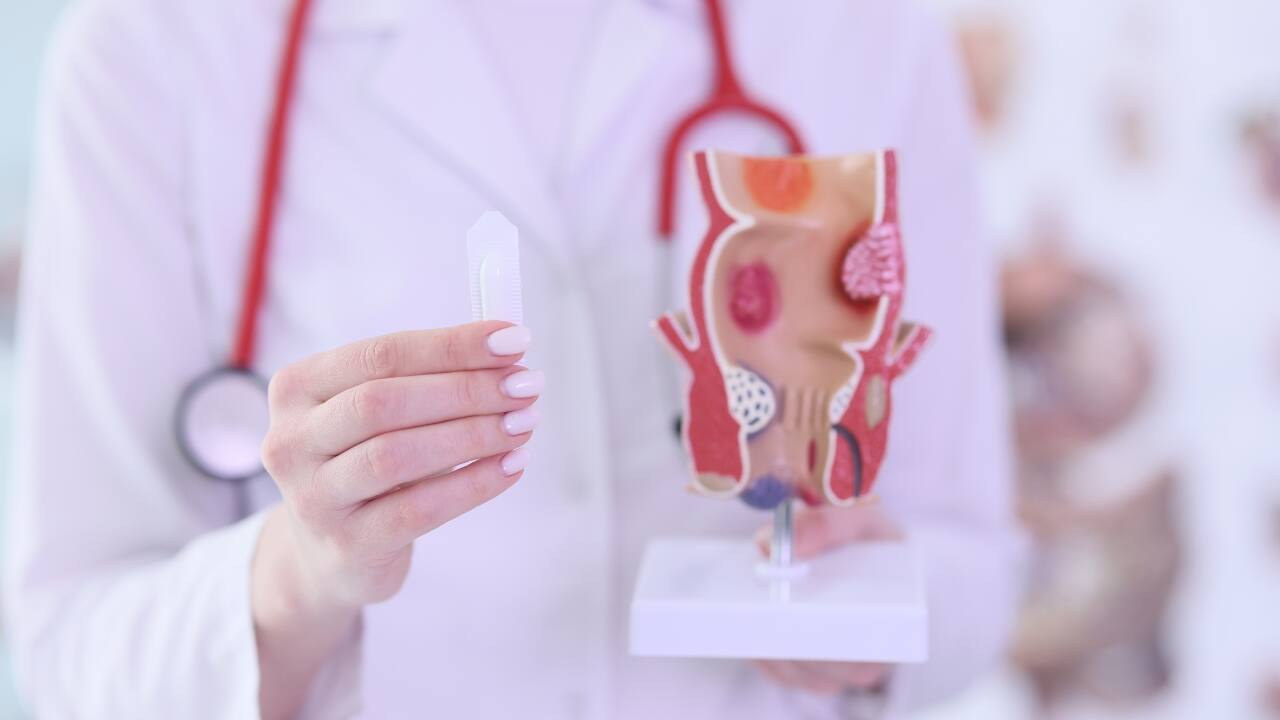
There are various degrees of piles. In the first degree haemorrhoids, piles may bleed within but fail to come out, in second degree they prolapse during the passage of stools, but spontaneously return inside, in third degree they prolapse during defecation but can be replaced manually, and finally in the fourth degree, piles are prolapse permanently.
There are various degrees of piles. In the first degree haemorrhoids, piles may bleed within but fail to come out, in second degree they prolapse during the passage of stools, but spontaneously return inside, in third degree they prolapse during defecation but can be replaced manually, and finally in the fourth degree, piles are prolapse permanently.
3/10
What Causes Piles?
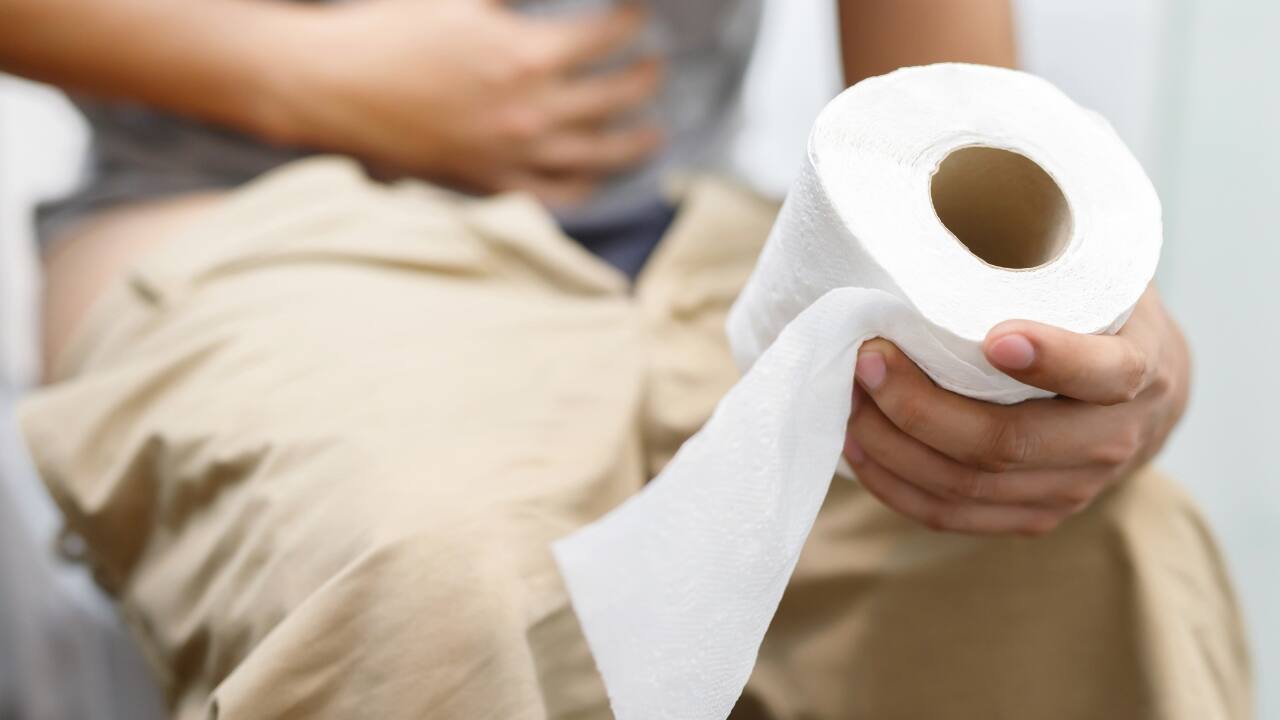
While the aetiology may be hereditary, haemorrhoids can also be caused because of extra straining efforts, gastrointestinal issues like diarrhoea or constipation, difficult passage of hard stools, a diet that is poor in fibres, malignancies like rectal carcinoma, pregnant and even increases pressure in the portal veins.
While the aetiology may be hereditary, haemorrhoids can also be caused because of extra straining efforts, gastrointestinal issues like diarrhoea or constipation, difficult passage of hard stools, a diet that is poor in fibres, malignancies like rectal carcinoma, pregnant and even increases pressure in the portal veins.
4/10
Who Gets Haemorrhoids and How Do They Present?
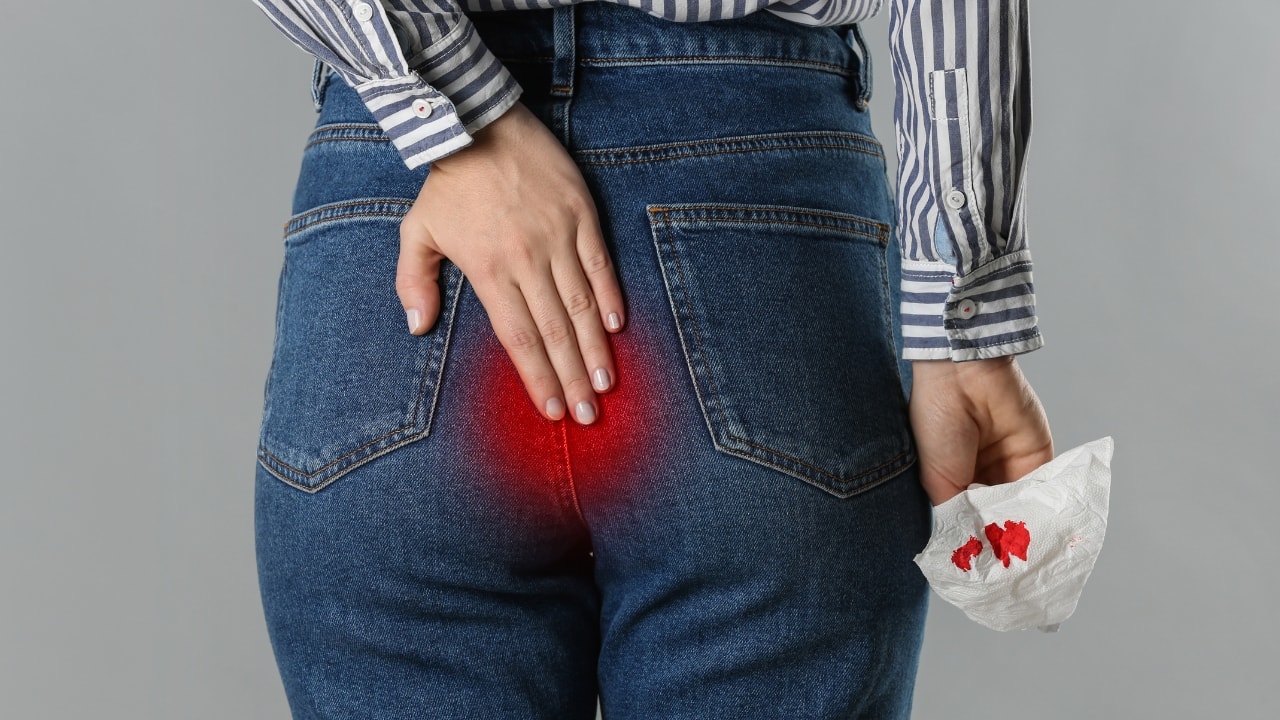
Haemorrhoids is commonly seen in people between the age of thirty to sixty-five. Both men and women are equally likely to develop piles, and the first symptom is bleeding while defecating. A characteristic ‘splash in the pan’ appearance of blood in stools is seen. The person may also feel some mass near the anal region.
Haemorrhoids is commonly seen in people between the age of thirty to sixty-five. Both men and women are equally likely to develop piles, and the first symptom is bleeding while defecating. A characteristic ‘splash in the pan’ appearance of blood in stools is seen. The person may also feel some mass near the anal region.
5/10
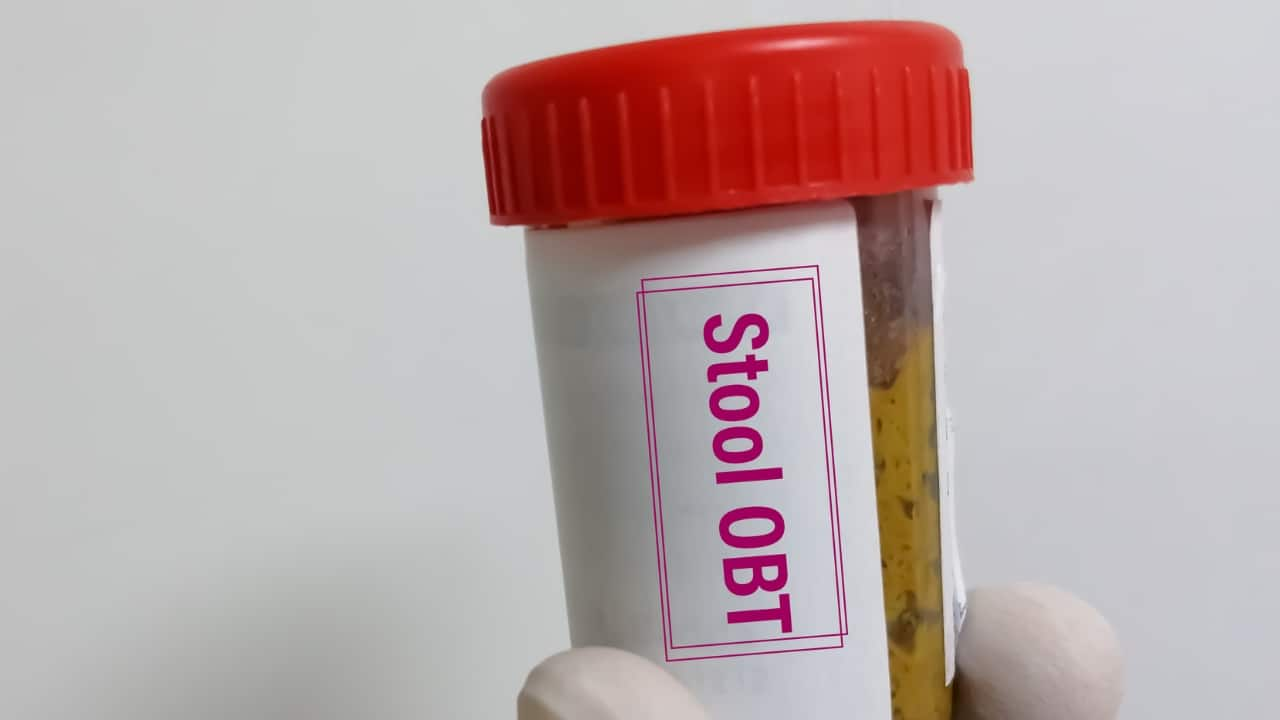
Other Common Symptoms
There may also be discharge through the anus, which is most often of mucoid type. Itching, pain (due to spasm or infection), and reduced haemoglobin can be seen in case of piles. Examination by using a proctoscope can reveal the exact position, number, size, degree and appearance of haemorrhoids.
There may also be discharge through the anus, which is most often of mucoid type. Itching, pain (due to spasm or infection), and reduced haemoglobin can be seen in case of piles. Examination by using a proctoscope can reveal the exact position, number, size, degree and appearance of haemorrhoids.
6/10
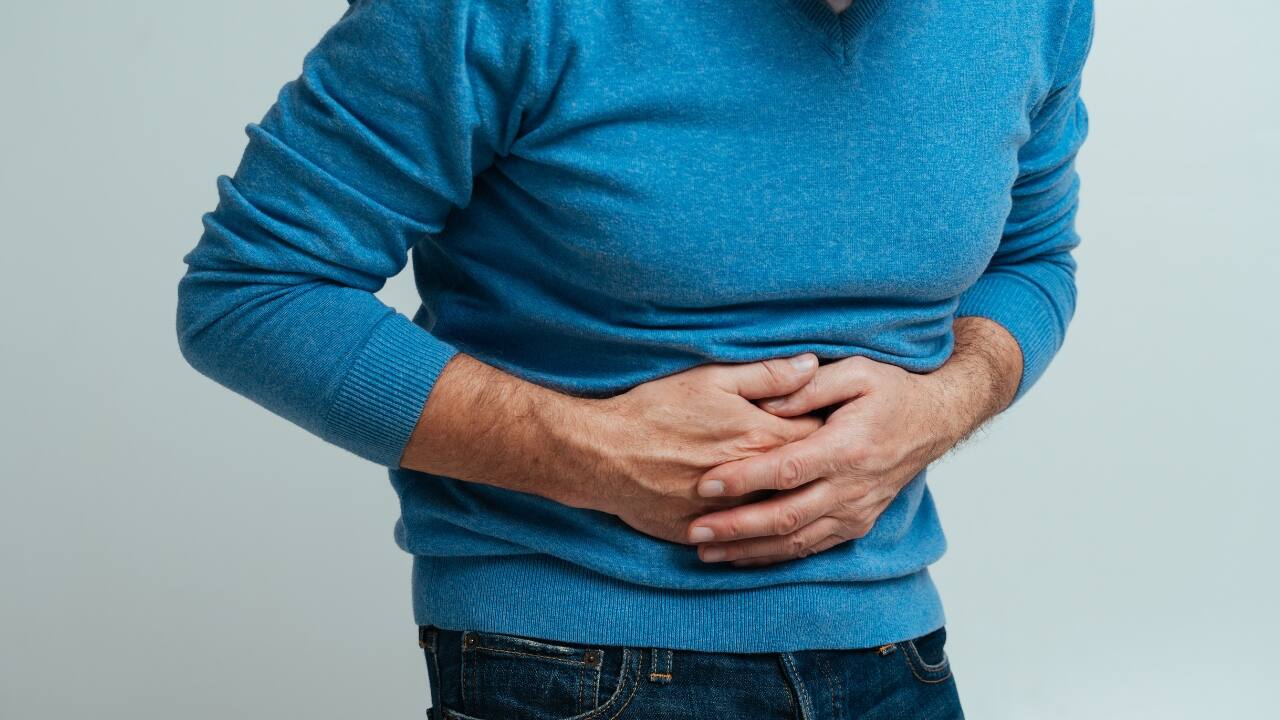
Rule Out Other Causes of Bleeding
Other causes of bleeding through the anus should be ruled out. Conditions like fistula in the anal region, fissure-in-ano, polyps in the gut, ulcerative colitis (inflammatory bowel disease), cancer of the rectum or the colon and diverticulitis can also cause bleeding. The examiner may also look for rectal lesions like external anal tags (benign growth of excess skin around the anus).
Other causes of bleeding through the anus should be ruled out. Conditions like fistula in the anal region, fissure-in-ano, polyps in the gut, ulcerative colitis (inflammatory bowel disease), cancer of the rectum or the colon and diverticulitis can also cause bleeding. The examiner may also look for rectal lesions like external anal tags (benign growth of excess skin around the anus).
7/10
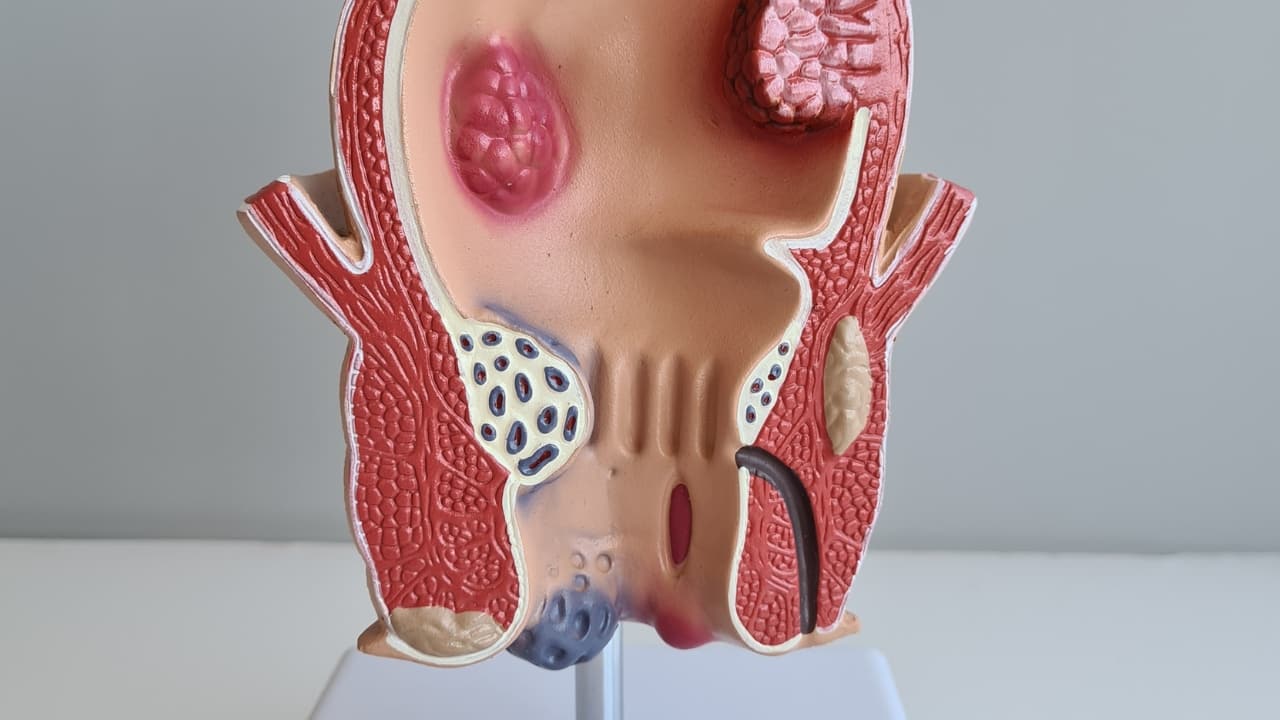
Potential Complications If Left Untreated
If not treated on time, piles can have numerous complications. Some of those complications include ulceration in the anal area, gangrene (dead tissue due to loss of blood supply), fibrosis, suppuration and even thrombosis. In case of thrombosis, the piles begin to compose dark purple or black, and become solid and tender.
If not treated on time, piles can have numerous complications. Some of those complications include ulceration in the anal area, gangrene (dead tissue due to loss of blood supply), fibrosis, suppuration and even thrombosis. In case of thrombosis, the piles begin to compose dark purple or black, and become solid and tender.
8/10
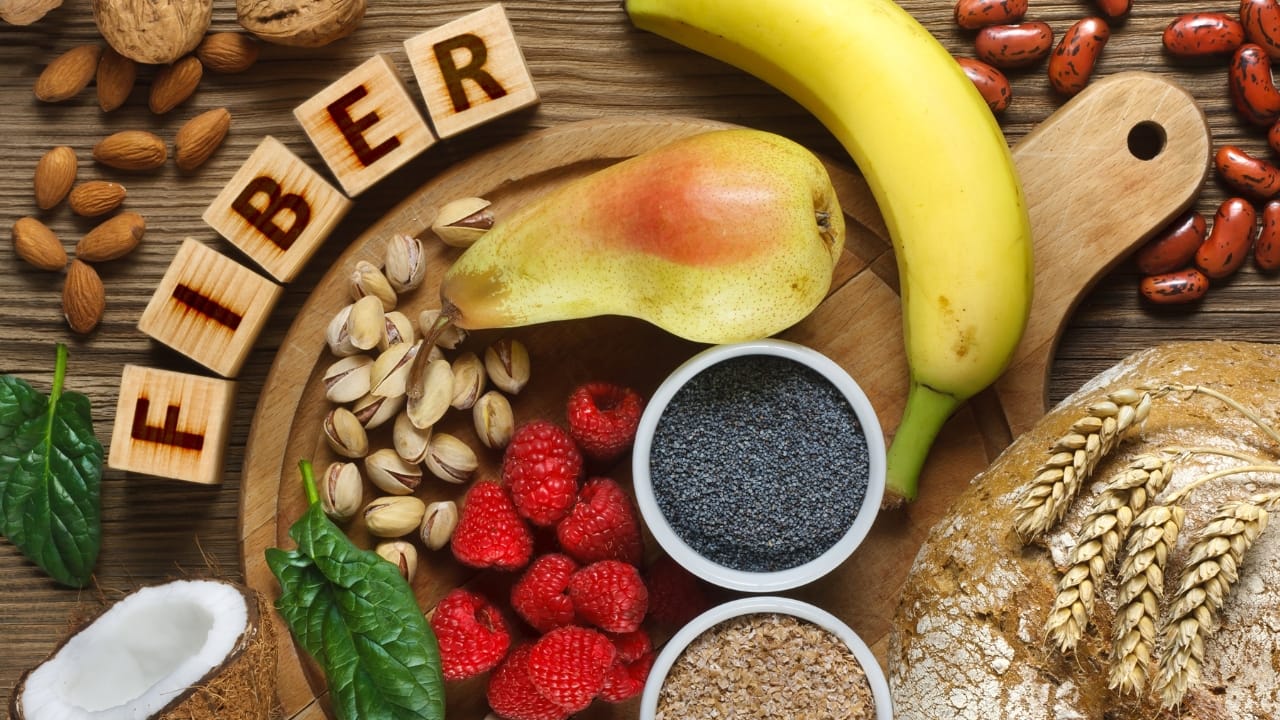
Diet and Lifestyle Recommendations
A diet rich in fibre is highly recommended, and more liquids should be consumed throughout the day. Laxatives may also be given to people who have long-term constipation, to stop straining and worsening haemorrhoids. Surgical intervention may be advised by the surgeon after a thorough check-up.
A diet rich in fibre is highly recommended, and more liquids should be consumed throughout the day. Laxatives may also be given to people who have long-term constipation, to stop straining and worsening haemorrhoids. Surgical intervention may be advised by the surgeon after a thorough check-up.
9/10
Sitz Bath and Medical Treatment
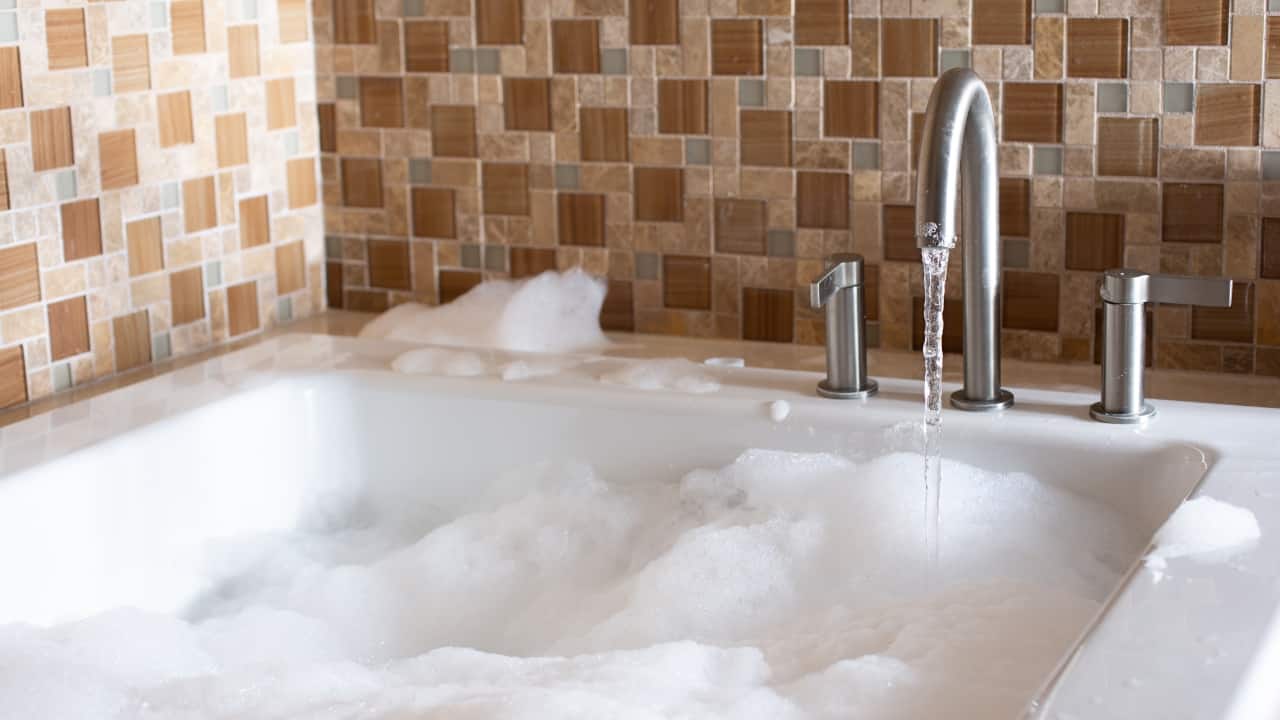
A sitz bath is often recommended to people who have haemorrhoids. It requires the patient to sit in warm water for about twenty minutes. One should make sure to keep the anal region dipped adequately in the water, and repeat this twice or thrice daily. Antibiotics and anti-inflammatory drugs may also be prescribed to some.
A sitz bath is often recommended to people who have haemorrhoids. It requires the patient to sit in warm water for about twenty minutes. One should make sure to keep the anal region dipped adequately in the water, and repeat this twice or thrice daily. Antibiotics and anti-inflammatory drugs may also be prescribed to some.
10/10
Other Helpful Measures
Other measures include drinking plenty of water in the day (In these technological times, you can even use an application to remind you to drink water). Squatting position can help reduce the incidence of haemorrhoids with the use of bulk laxatives. Cryosurgery or injection sclerosant therapy may be required in some.
Other measures include drinking plenty of water in the day (In these technological times, you can even use an application to remind you to drink water). Squatting position can help reduce the incidence of haemorrhoids with the use of bulk laxatives. Cryosurgery or injection sclerosant therapy may be required in some.
Discover the latest Business News, Budget 2025 News, Sensex, and Nifty updates. Obtain Personal Finance insights, tax queries, and expert opinions on Moneycontrol or download the Moneycontrol App to stay updated!



