- My Alerts
- Go Ad-Free
-
My Account











A simple guide to seizures and fainting: It's causes, symptoms, and care
Seizures are sudden, uncontrolled CNS discharges, often without triggers, causing immediate unconsciousness, facial changes, frothing, and post-event disorientation. Syncope is brief fainting due to reduced blood flow, often triggered by stress or position change. Diagnosis relies on duration, symptoms, and posture; management includes anti-epileptics for seizures and treating underlying causes for syncope.




1/10

Definition of seizure and epilepsy
A seizure refers to a sudden and uncontrolled burst of firing of action potentials or discharges from the central nervous system. The occurrence of recurrent seizures because of a long-term underlying condition is known as epilepsy. There can be multiple causes of epilepsy. (Image: Canva)
A seizure refers to a sudden and uncontrolled burst of firing of action potentials or discharges from the central nervous system. The occurrence of recurrent seizures because of a long-term underlying condition is known as epilepsy. There can be multiple causes of epilepsy. (Image: Canva)
2/10
Definition of syncope
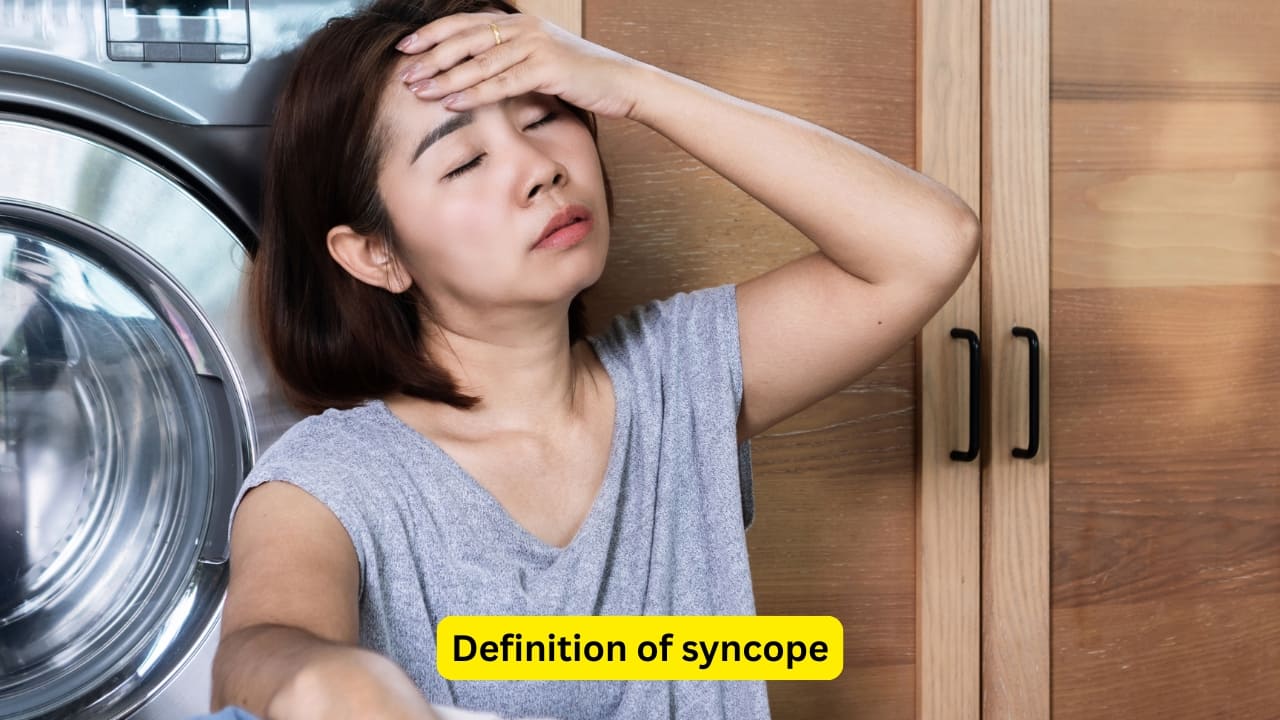
A syncope is different from a seizure, and these two must not be confused with each other. Syncope refers to a fainting episode or a sudden and temporary loss of consciousness, that usually follows a drop in the blood flow to the brain. It may not always need follow-up treatment, unless it is due to certain causes like cardiac ones.(Image: Canva)
A syncope is different from a seizure, and these two must not be confused with each other. Syncope refers to a fainting episode or a sudden and temporary loss of consciousness, that usually follows a drop in the blood flow to the brain. It may not always need follow-up treatment, unless it is due to certain causes like cardiac ones.(Image: Canva)
3/10

Precipitating factors
Seizures do not usually have an immediate precipitating factor, while syncope does, more often than not. A fainting episode may occur due to emotional stress, a reduction in the blood pressure or even due to some underlying heart condition. A sudden change in position may also cause syncope.(Image: Canva)
Seizures do not usually have an immediate precipitating factor, while syncope does, more often than not. A fainting episode may occur due to emotional stress, a reduction in the blood pressure or even due to some underlying heart condition. A sudden change in position may also cause syncope.(Image: Canva)
4/10

Premonitory symptoms
Premonitory symptoms are not common in seizures, whereas syncope does have some symptoms like tiredness and nausea. A person about to faint may also experience excessive sweating. The individual may also experience a tunnelling of vision right before he/she/they are about to faint.(Image: Canva)
Premonitory symptoms are not common in seizures, whereas syncope does have some symptoms like tiredness and nausea. A person about to faint may also experience excessive sweating. The individual may also experience a tunnelling of vision right before he/she/they are about to faint.(Image: Canva)
5/10
Role of posture
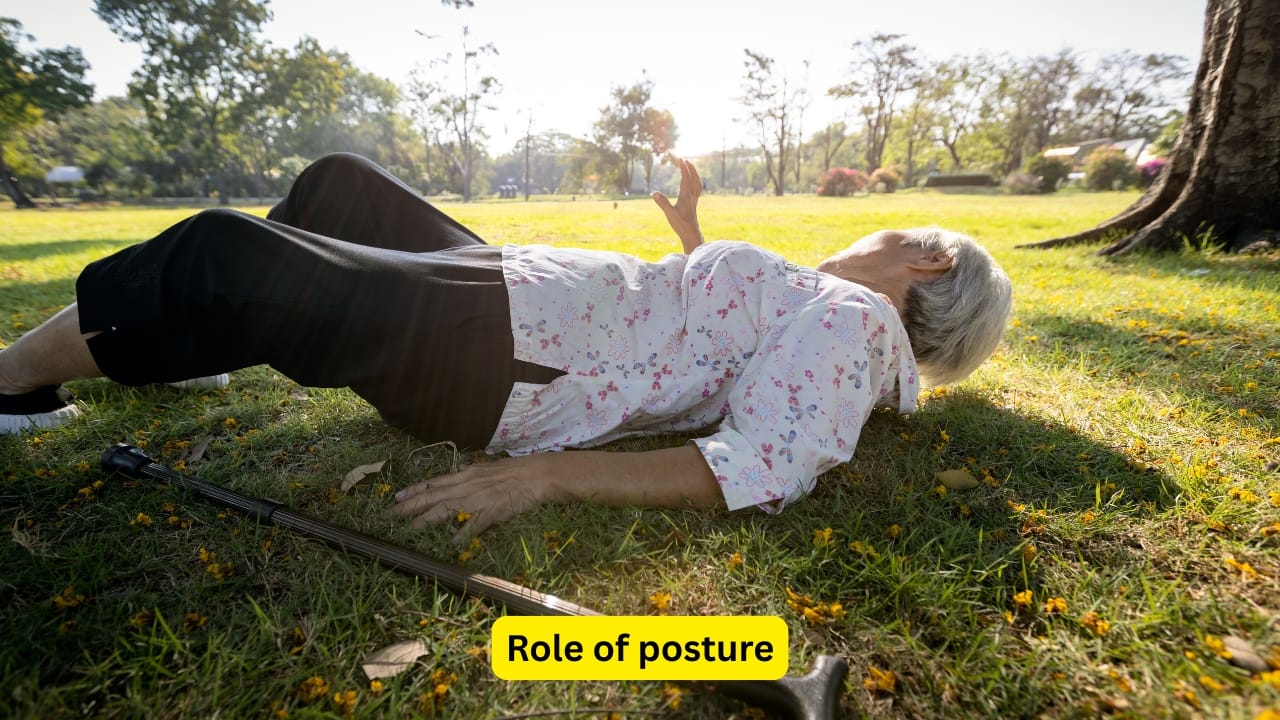
The posture may not be a factor for seizures, as they can occur when the person is in any position, like standing, sitting or lying down. However, a person who has experienced syncope is often found to have been standing before temporarily losing consciousness due to syncope.(Image: Canva)
The posture may not be a factor for seizures, as they can occur when the person is in any position, like standing, sitting or lying down. However, a person who has experienced syncope is often found to have been standing before temporarily losing consciousness due to syncope.(Image: Canva)
6/10
Onset of unconsciousness
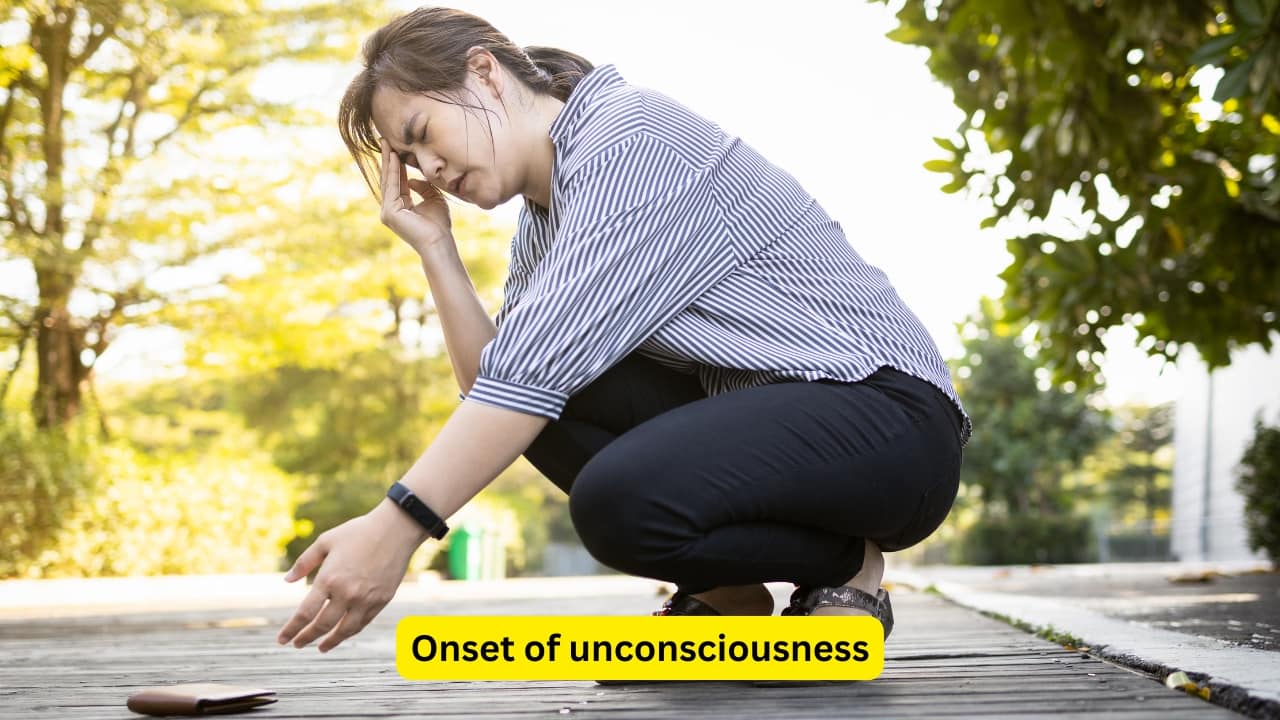
While people who experience seizures may also be unconscious, their transition to unconsciousness is often immediate. On the other hand, persons who faint may transition gradually over the period of a few seconds, before they experience syncope.(Image: Canva)
While people who experience seizures may also be unconscious, their transition to unconsciousness is often immediate. On the other hand, persons who faint may transition gradually over the period of a few seconds, before they experience syncope.(Image: Canva)
7/10

Duration of unconsciousness
The duration of unconsciousness of the affected person may also aid in differentiating a seizure from a syncope. The period of unconsciousness in a person who experiences seizures is about a few minutes, whereas it is only a few seconds in the case of syncope.(Image: Canva)
The duration of unconsciousness of the affected person may also aid in differentiating a seizure from a syncope. The period of unconsciousness in a person who experiences seizures is about a few minutes, whereas it is only a few seconds in the case of syncope.(Image: Canva)
8/10

Facial changes
Changes in the facial appearance can help in finding out whether it is a seizure or syncope. Blushing discolouration of the skin, nails, or lips is seen in case of a seizure. There may also be frothing at the mouth. When a person experiences syncope, their face may look pale.(Image: Canva)
Changes in the facial appearance can help in finding out whether it is a seizure or syncope. Blushing discolouration of the skin, nails, or lips is seen in case of a seizure. There may also be frothing at the mouth. When a person experiences syncope, their face may look pale.(Image: Canva)
9/10

Post-event disorientation
There can be some disorientation and sleepiness after both a seizure and a syncope. However, it may last for a few minutes to hours when one has experienced a seizure, but it may only last for less than five minutes after one has fainted. Lateral tongue bite is also common in seizures.(Image: Canva)
There can be some disorientation and sleepiness after both a seizure and a syncope. However, it may last for a few minutes to hours when one has experienced a seizure, but it may only last for less than five minutes after one has fainted. Lateral tongue bite is also common in seizures.(Image: Canva)
10/10
After-effects and treatment
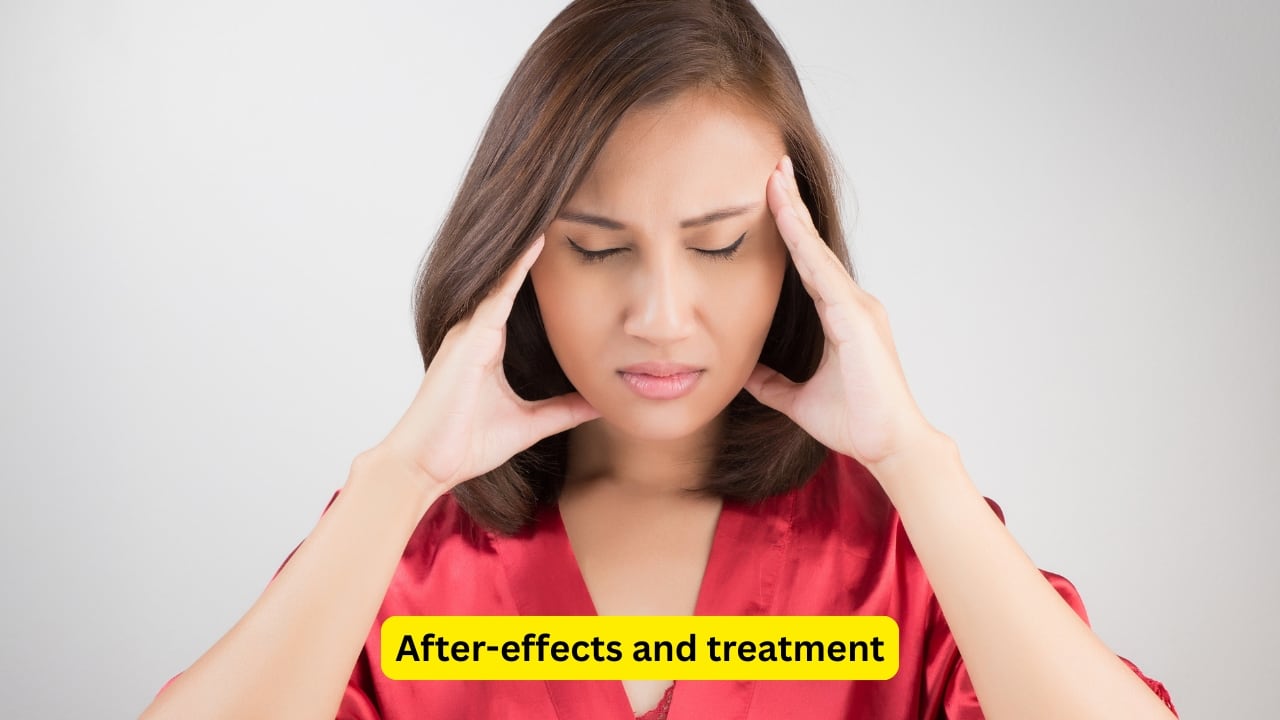
Headache and muscle pain are often experienced by the affected person after a seizure, but rarely after a syncope. While seizures may be treated with anti-epileptic medications if the seizures are recurring, for syncope, the underlying cause must be identified and treated accordingly.(Image: Canva)
Disclaimer: This article, including health and fitness advice, only provides generic information. Don’t treat it as a substitute for qualified medical opinion. Always consult a specialist for specific health diagnosis
Headache and muscle pain are often experienced by the affected person after a seizure, but rarely after a syncope. While seizures may be treated with anti-epileptic medications if the seizures are recurring, for syncope, the underlying cause must be identified and treated accordingly.(Image: Canva)
Disclaimer: This article, including health and fitness advice, only provides generic information. Don’t treat it as a substitute for qualified medical opinion. Always consult a specialist for specific health diagnosis
Discover the latest Business News, Budget 2025 News, Sensex, and Nifty updates. Obtain Personal Finance insights, tax queries, and expert opinions on Moneycontrol or download the Moneycontrol App to stay updated!



