- My Alerts
- Go Ad-Free
-
My Account











What is otosclerosis? 10 causes, symptoms, and important surgical points
Otosclerosis is an inner ear condition where abnormal bone growth, often at the stapes, causes progressive hearing loss. Common in young adults, it may worsen during pregnancy. Symptoms include tinnitus, giddiness, and paracusis willisii. Treatment involves surgery or hearing aids, with precautions like avoiding air travel and heavy lifting post-surgery.




1/10

Division of the Ear
The ear is divided into three parts, the outer, middle, and inner ear. The middle ear consists of three bones (the smallest bones in the body), known as the malleus, incus, and stapes. The stapes is attached to a window (called the oval window), which further leads to the inner ear.(Image: Canva)
The ear is divided into three parts, the outer, middle, and inner ear. The middle ear consists of three bones (the smallest bones in the body), known as the malleus, incus, and stapes. The stapes is attached to a window (called the oval window), which further leads to the inner ear.(Image: Canva)
2/10
What is Otosclerosis?
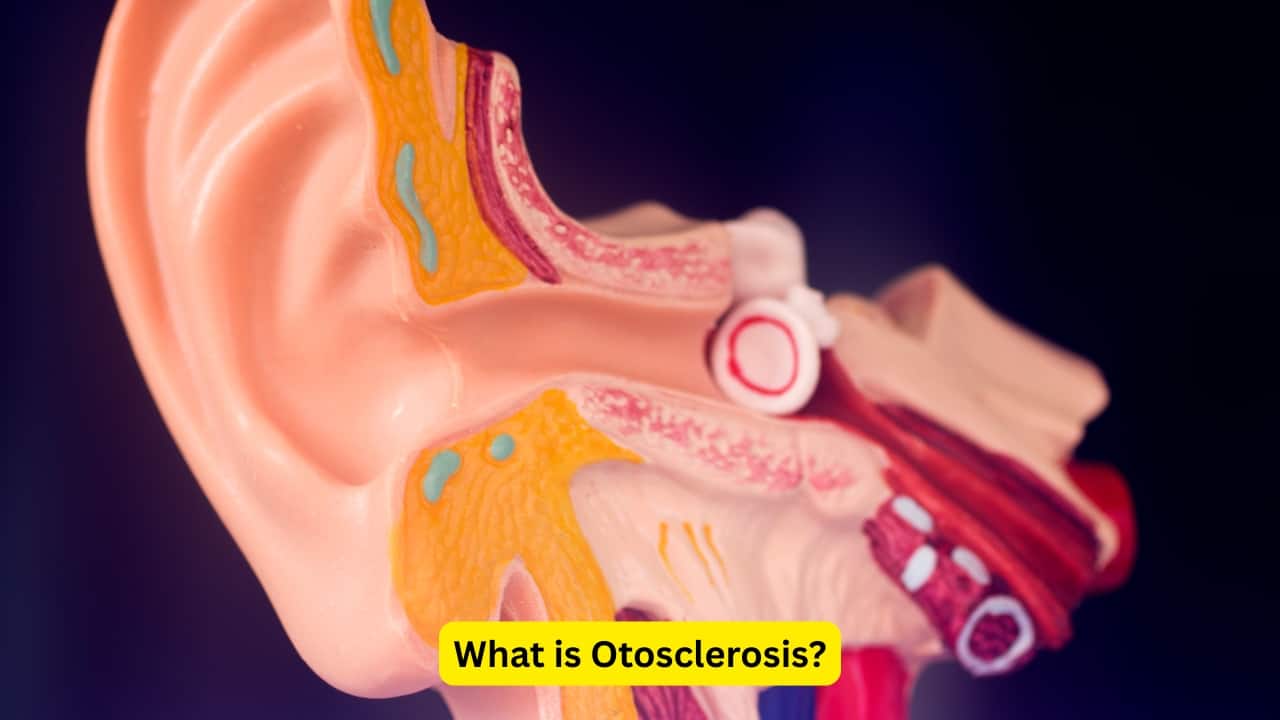
Otosclerosis, also known as otospongiosis, is a disease of the inner ear where the normal bone is replaced. It is often seen in the stapes region, where a part of this bone gets attached to the window, thus affecting the conduction of sound through the middle ear into the inner ear.(Image: Canva)
Otosclerosis, also known as otospongiosis, is a disease of the inner ear where the normal bone is replaced. It is often seen in the stapes region, where a part of this bone gets attached to the window, thus affecting the conduction of sound through the middle ear into the inner ear.(Image: Canva)
3/10

Causes and Risk Factors
While the exact cause is not known, about fifty percent of individuals with otosclerosis have a positive family history. It is common in the Indian population and the white races. Generally, women are more affected by this condition, but in India, the incidence is reversed.(Image: Canva)
While the exact cause is not known, about fifty percent of individuals with otosclerosis have a positive family history. It is common in the Indian population and the white races. Generally, women are more affected by this condition, but in India, the incidence is reversed.(Image: Canva)
4/10

Age and Triggers
Hearing loss due to this condition is seen during twenty to thirty years of age, and it may be initiated or worsened during pregnancy. Other factors like the onset of menopause may also lead to increased hearing loss. Any major operation can trigger it as well.(Image: Canva)
Hearing loss due to this condition is seen during twenty to thirty years of age, and it may be initiated or worsened during pregnancy. Other factors like the onset of menopause may also lead to increased hearing loss. Any major operation can trigger it as well.(Image: Canva)
5/10
Symptoms of Otosclerosis
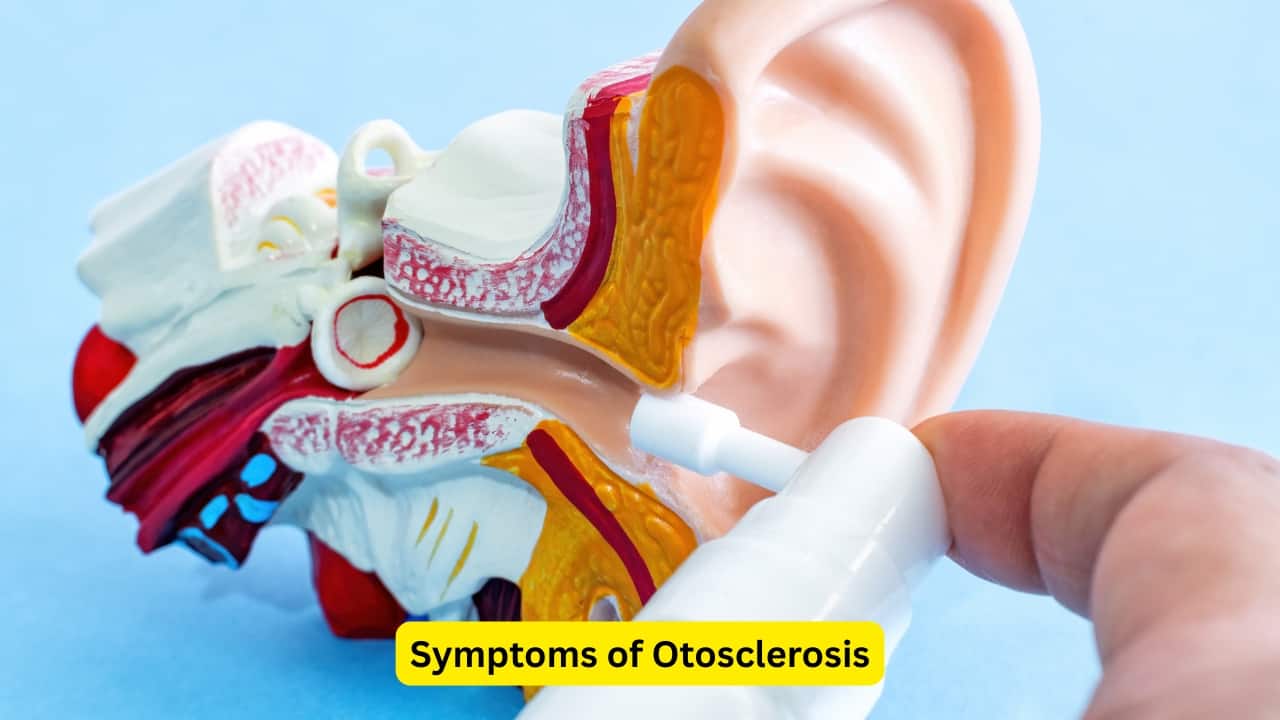
The person affected with otosclerosis may complain of difficulty in hearing that usually begins in one’s twenties. While there may not be any associated pain, the condition may gradually worsen. A ringing sensation may also be experienced by those who have such otosclerotic changes.(Image: Canva)
The person affected with otosclerosis may complain of difficulty in hearing that usually begins in one’s twenties. While there may not be any associated pain, the condition may gradually worsen. A ringing sensation may also be experienced by those who have such otosclerotic changes.(Image: Canva)
6/10

What is Paracusis Willisii
An interesting phenomenon may be seen in people with otosclerosis. They may say that they hear better in noisy surroundings as compared to quiet settings. This is known as paracusis willisii, and it occurs because a normal person may raise their voice while talking in a noisy area.(Image: Canva)
An interesting phenomenon may be seen in people with otosclerosis. They may say that they hear better in noisy surroundings as compared to quiet settings. This is known as paracusis willisii, and it occurs because a normal person may raise their voice while talking in a noisy area.(Image: Canva)
7/10

Other Associated Symptoms
Other symptoms include a feeling of giddiness, and a tendency to speak softly, and a well-modulated speech pattern. No medical treatment is available for this condition. The person may either need to undergo surgery or use a hearing aid to be able to listen adequately.(Image: Canva)
Other symptoms include a feeling of giddiness, and a tendency to speak softly, and a well-modulated speech pattern. No medical treatment is available for this condition. The person may either need to undergo surgery or use a hearing aid to be able to listen adequately.(Image: Canva)
8/10

Surgical Contraindications
Not everyone may be able to undergo surgery for this condition. It may not be performed in those who have only one hearing ear, or those with a history of Ménière’s disease, as they are more likely to develop sensory-neural hearing loss after the surgery for otosclerosis.(Image: Canva)
Not everyone may be able to undergo surgery for this condition. It may not be performed in those who have only one hearing ear, or those with a history of Ménière’s disease, as they are more likely to develop sensory-neural hearing loss after the surgery for otosclerosis.(Image: Canva)
9/10

Precautions in Children
As young children are more likely to get problems in their Eustachian tube (connects the middle ear to the back of the nose and the throat), the prosthetic used for this surgery may get displaced, and the symptoms may reappear. Infections of the ear are relative contraindications to surgery.(Image: Canva)
As young children are more likely to get problems in their Eustachian tube (connects the middle ear to the back of the nose and the throat), the prosthetic used for this surgery may get displaced, and the symptoms may reappear. Infections of the ear are relative contraindications to surgery.(Image: Canva)
10/10
Post-Surgical Precautions
Those who undergo surgery for otosclerosis must follow certain precautions, like avoiding air travel for a few months and not straining after the surgery. This includes not straining while defecating and not lifting heavy weight, as these may cause complications and recurrence of symptoms. (Image: Canva)
Disclaimer: This article, including health and fitness advice, only provides generic information. Don’t treat it as a substitute for qualified medical opinion. Always consult a specialist for specific health diagnosis
Those who undergo surgery for otosclerosis must follow certain precautions, like avoiding air travel for a few months and not straining after the surgery. This includes not straining while defecating and not lifting heavy weight, as these may cause complications and recurrence of symptoms. (Image: Canva)
Disclaimer: This article, including health and fitness advice, only provides generic information. Don’t treat it as a substitute for qualified medical opinion. Always consult a specialist for specific health diagnosis
Discover the latest Business News, Budget 2025 News, Sensex, and Nifty updates. Obtain Personal Finance insights, tax queries, and expert opinions on Moneycontrol or download the Moneycontrol App to stay updated!



