HomeNewsWorldBritain moves closer to COVID-19 vaccine trials that infect volunteers

Britain moves closer to COVID-19 vaccine trials that infect volunteers

Preliminary work for the trials, which aim to speed up the process of determining the efficacy of a vaccine candidate, is being carried out by hVIVO, a unit of pharmaceutical services company Open Orphan, hVIVO said on Friday.

October 16, 2020 / 12:26 IST
5 | India to get 100 million AstraZeneca's vaccine shots by December 2020, say Reports: With Covishield, the coronavirus vaccine candidate jointly developed by the University of Oxford and British firm AstraZeneca entering phase 3 trials, Serum Institute of India (SII) has started ramping up the production of the vaccine. The world's largest vaccine maker plans to have 100 million doses ready by December 2020 for an inoculation drive that could begin across India that same month, Bloomberg reported on November 13.

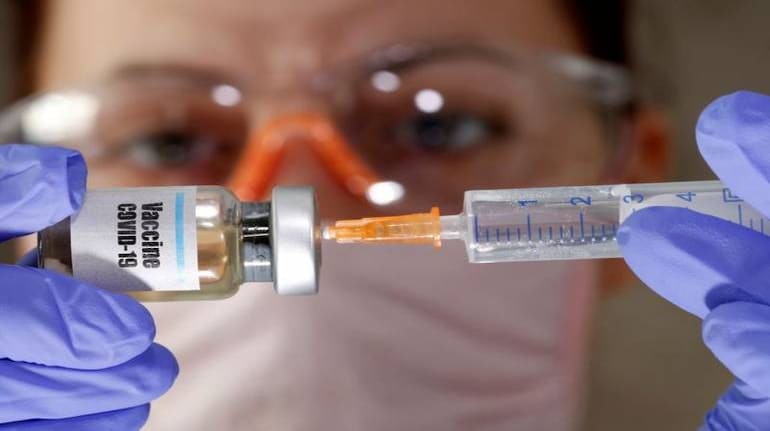
"Human challenge" trials of potential COVID-19 vaccines, where volunteers are deliberately infected with the disease, could become a reality after a British biotech firm signed a contract with the government to create and provide strains of the virus.

Preliminary work for the trials, which aim to speed up the process of determining the efficacy of a vaccine candidate, is being carried out by hVIVO, a unit of pharmaceutical services company Open Orphan, hVIVO said on Friday.

This involves creating a human challenge study model that could be used should such trials gain ethical and safety approval from regulators.

"The model development involves the manufacture of the challenge virus and the first-in-human characterisation study for this virus," the company said.

Supporters of human challenge trials say they are a good way to cut short the often lengthy process of testing potential vaccines on tens of thousands of volunteers in the real world who go about normal life and are monitored to see if they contract the disease or are protected from it.

COVID-19 Vaccine

Frequently Asked Questions

View more
How does a vaccine work?

A vaccine works by mimicking a natural infection. A vaccine not only induces immune response to protect people from any future COVID-19 infection, but also helps quickly build herd immunity to put an end to the pandemic. Herd immunity occurs when a sufficient percentage of a population becomes immune to a disease, making the spread of disease from person to person unlikely. The good news is that SARS-CoV-2 virus has been fairly stable, which increases the viability of a vaccine.

How many types of vaccines are there?

There are broadly four types of vaccine — one, a vaccine based on the whole virus (this could be either inactivated, or an attenuated [weakened] virus vaccine); two, a non-replicating viral vector vaccine that uses a benign virus as vector that carries the antigen of SARS-CoV; three, nucleic-acid vaccines that have genetic material like DNA and RNA of antigens like spike protein given to a person, helping human cells decode genetic material and produce the vaccine; and four, protein subunit vaccine wherein the recombinant proteins of SARS-COV-2 along with an adjuvant (booster) is given as a vaccine.

What does it take to develop a vaccine of this kind?

Vaccine development is a long, complex process. Unlike drugs that are given to people with a diseased, vaccines are given to healthy people and also vulnerable sections such as children, pregnant women and the elderly. So rigorous tests are compulsory. History says that the fastest time it took to develop a vaccine is five years, but it usually takes double or sometimes triple that time.

View more
Show

In these tightly-controlled trials, volunteers are given a vaccine and then about a month later are deliberately infected with the disease under controlled conditions. They are then isolated in a quarantine facility and monitored to see if they become sick or if the vaccine protects them.

Critics say deliberately infecting someone with a potentially deadly disease for which there is currently no effective treatment is unethical.

Any human challenge trials conducted in Britain would have to be approved by the Medicines and Healthcare products Regulatory Agency, the healthcare regulator that looks into safety, ethics and protocol. Any assessment would be carried out after hVIVO completes its preliminary work.

The characterisation study - the first step towards finding the right form and dose of the virus that could be used to deliberately infect participants in future trials - is backed by Imperial College London and will be conducted by hVIVO at a specialist research unit at London's Royal Free Hospital.

The work will be carried out "under the scrutiny of highly trained scientists and medics", hVIVO said in a statement.

Follow our full coverage of the coronavirus pandemic here.

Reuters
first published: Oct 16, 2020 12:15 pm

Discover the latest Business News, Sensex, and Nifty updates. Obtain Personal Finance insights, tax queries, and expert opinions on Moneycontrol or download the Moneycontrol App to stay updated!

Subscribe to Tech Newsletters

  • On Saturdays

    Find the best of Al News in one place, specially curated for you every weekend.

  • Daily-Weekdays

    Stay on top of the latest tech trends and biggest startup news.

Advisory Alert: It has come to our attention that certain individuals are representing themselves as affiliates of Moneycontrol and soliciting funds on the false promise of assured returns on their investments. We wish to reiterate that Moneycontrol does not solicit funds from investors and neither does it promise any assured returns. In case you are approached by anyone making such claims, please write to us at grievanceofficer@nw18.com or call on 02268882347