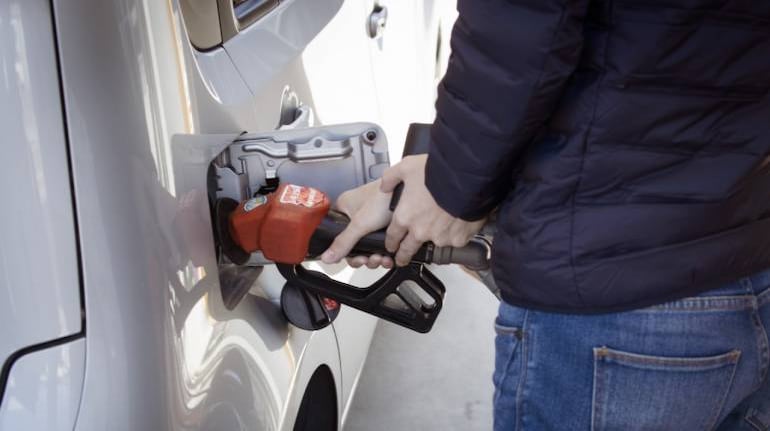
Several years ago, a friend told me about a prank he played. He drove into a fuel station in his car and waited his turn in the queue. When it was time for him to fill up, he pulled the fuel-cap lever and got out. The attendant asked him the standard question: ‘Petrol ya diesel?’ ‘Which one is cheaper?’ he responded in Hindi. The confused attendant naturally said it was diesel. ‘Ah, good – fill the tank with diesel in that case,’ my friend requested. He owned a diesel car, of course, so there was no real danger of the prank going wrong and everyone had a good laugh.
Let’s assume for a moment that things had gone pear-shaped, though, and the wrong kind of fuel had been put into his car. This happens more often than you might imagine, since human beings are prone to making both silly and honest mistakes. Putting diesel into a petrol car is a less common occurrence, since the openings for the fuel nozzle in petrol cars are usually smaller than the nozzle of a diesel fuel dispenser. The reverse, however, is quite common – the smaller petrol fuel nozzle fits easily into the opening of a diesel fuel tank. What happens, then, when these mix-ups occur? A fair amount of damage, that’s what. Let’s see how.
Diesel in a petrol carAs explained earlier, this is a relatively rare error, due to the differences in fuel tank opening and fuel nozzle sizes. Still, if this occurs, the damage is usually limited. Petrol is far more refined than diesel, and is ignited by sparks from the engine’s spark plugs. If a petrol car’s engine is cranked with diesel in its tank, what will happen is that the spark plugs and fuelling system will become clogged up by the stickier diesel, as will the fuel filter. As a result, the car will likely stall, and the engine will misfire and emit a lot of smoke.
Petrol in a diesel carThis scenario is the one to be really careful about, because the damage to the engine is far greater. Petrol fuel dispenser nozzles are smaller, so it’s easier to pour petrol into a diesel car. Diesel engines compress the fuel in order to ignite it, and the fuel is then sent to the engine to lubricate it – which is the heart of the issue. A diesel engine’s fuel injection pump needs the lubricating properties of diesel fuel in order to work properly, and petrol can’t do this. It’s also a task to get rid of petrol once it enters a diesel engine. The net result is that the engine goes haywire, emits thick, black smoke and pretty quickly shuts down.
The fixHere’s what to do if you find yourself in either of these soups.
With diesel in a petrol car, if you’re lucky enough to realise your mistake immediately, you should be fine. A small amount (roughly 5 percent of the tank’s capacity) of diesel in the petrol tank won’t be a problem; the diesel will mix with the petrol and you should be able to continue driving. That said, it’s always better to completely drain the fuel tank and refill it with petrol.
If you’ve already completed your fill-up, don’t crank the engine. Push the car to a convenient spot, call your manufacturer's roadside assistance service (or a towing service), take your car to a service station and drain and flush the tank. After that, you should be good to go.
In case you’ve cranked the engine and/or have driven the car for a bit and only then realised your error, immediately turn off the engine and call for service support. Have the fuel tank and fuel lines drained and flushed with clean petrol, and change your fuel filter. The car should be fine after all these measures.
With petrol in a diesel car, however, you could be looking at pretty serious trouble. As soon as a diesel engine is cranked, the fuel is sent straight to its internals for proper lubrication – and petrol isn’t about to accomplish that. Whatever you do, don’t crank the engine; in fact, take the key out of the ignition. This is because in a car with an automatic transmission, diesel will be pumped into the system even if you turn the key in the slot, in order to shift to neutral. Have the car sent to a service station and drain the tank and fuel lines, and then fill up with diesel again.
If you’ve cranked the engine and/or have driven for a bit, well – cross your fingers and pray that the damage isn’t too great. By this point, petrol will have been sent to every part of your diesel engine, and it won’t lubricate a single bit of it. The car will have to be towed to a service station and the engine dismantled, to check the extent of the internal damage; the monetary blow can be considerable.
Hopefully, you will always know what is being injected into it because, well, it’s your car. Still, if you’re driving a borrowed car, or are just having a really bad day, be sure to check what fuel it takes before that fuel nozzle goes in. The inside of the fuel flap should indicate this clearly, in most cars; in case you’re still unsure, call the owner, or look at the car’s registration papers. Unlike what my friend pulled, putting the wrong fuel in your car is no laughing matter.
EV owners - you've dodged this bullet altogether.
Discover the latest Business News, Sensex, and Nifty updates. Obtain Personal Finance insights, tax queries, and expert opinions on Moneycontrol or download the Moneycontrol App to stay updated!
Find the best of Al News in one place, specially curated for you every weekend.
Stay on top of the latest tech trends and biggest startup news.