






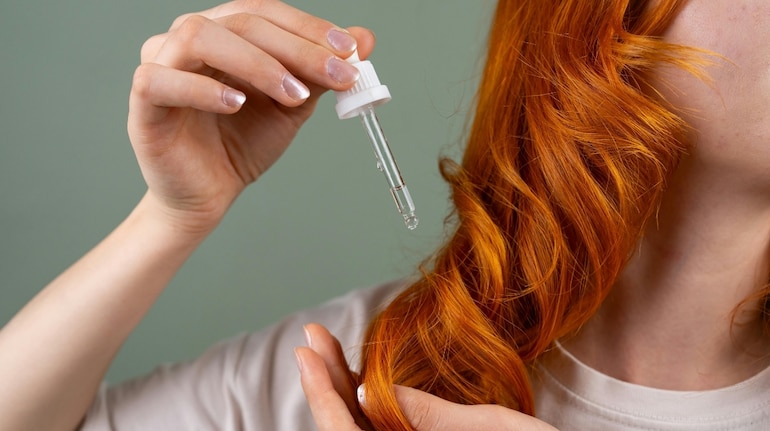

In a world of serums, shine sprays and salon gloss treatments, lustrous hair has become the ultimate beauty goal. While gloss and shine is good, what matters most is strength of your mane.
Hair that looks good for a day but breaks, frizzes or dulls by the next wash is often needs deeper care. Real gloss comes from within. And that foundation starts with healthy cuticles, a nourished scalp and strands that can actually withstand daily stress.
Gloss is all about how light behaves on the hair’s surface. When the cuticles lie flat and smooth, light reflects evenly, creating that silky, polished look. When hair is dry or damaged, the cuticles lift and scatter light, making even freshly styled hair appear dull. “Gloss is often mistaken for health, but it’s actually the result of good hair structure,” says Dr Vaishali Gode, EVP R&D, Product Development (Nourishment) and Packaging, Marico Limited. “If the internal strength of the hair fibre is compromised, surface shine products can only do so much.”
Modern lifestyles aren’t particularly kind to our hair. Pollution, UV exposure, heat styling tools, frequent washing and harsh cleansers slowly strip strands of their natural oils. Over time, this leads to dryness, protein loss and breakage. According to Dr Gode, repeated stress on hair without adequate nourishment reduces elasticity. “Hair becomes fragile, and any gloss treatment applied on top simply masks the damage temporarily.”
Strong hair holds shine better and for longer.
Flat, well-fed cuticles are key to natural gloss.
Healthy hair starts where it grows.
Shine sprays work best on already healthy hair.
There are many hair oils available in the market. Coconut-based oil is among the oldest of them. “The molecular structure of coconut-based oil allows it to penetrate up to 10 times deeper into the hair shaft, helping prevent protein loss, a major cause of weakness.” shares Dr Gode, adding, “Coconut-based hair oils coat the hair and also strengthen it from within.”
Regular oiling, she informs, improves resilience and elasticity, which naturally boosts shine. “Even a simple routine that includes applying coconut-based oil for 30 minutes before washing, can make a noticeable difference.” A gentle scalp massage boosts circulation, supporting healthier growth and stronger.
Q1. Why is oiling hair important?
Oiling helps nourish the scalp, strengthen hair strands, and reduce moisture and protein loss, keeping hair healthier and more manageable.
Q2. How does oiling benefit the scalp?
Hair oils improve blood circulation when massaged into the scalp, support follicle health, and help reduce dryness, flakiness, and irritation.
Q3. Can oiling reduce hair fall and breakage?
Yes. Regular oiling strengthens the hair shaft, reduces friction during washing or styling, and helps minimise breakage-related hair fall.
Q4. Does oiling help prevent protein loss from hair?
Certain oils can penetrate the hair shaft or coat it effectively, reducing protein loss caused by washing, heat styling, and environmental damage.
Q5. How often should one oil their hair?
Oiling 1–2 times a week is generally sufficient. Over-oiling may clog pores or make hair greasy, especially for oily scalps.
Disclaimer: This article only provides generic information. Don’t treat it as a substitute for qualified medical opinion. Always consult a specialist for specific diagnosis.
Discover the latest Business News, Sensex, and Nifty updates. Obtain Personal Finance insights, tax queries, and expert opinions on Moneycontrol or download the Moneycontrol App to stay updated!
Find the best of Al News in one place, specially curated for you every weekend.
Stay on top of the latest tech trends and biggest startup news.





