







If one nutrient has captured the public imagination in recent years, it is protein. From social media diet trends to everyday kitchen conversations, the question of “how much protein is enough?” seems to be everywhere.
The renewed global attention gained another push earlier this year when updated dietary advice in the United States sparked fresh debate around protein consumption. Much of the discussion centred on foods rich in protein and the role they play in daily nutrition.
Nevertheless, many health experts caution that the conversation is drifting toward a single-nutrient obsession. “Health outcomes are shaped by overall dietary patterns, not by protein intake alone,” says Dr Vanita Rahman, Internal Medicine Physician, the Physicians Committee for Responsible Medicine, Washington D C. She informs that when nutrition debates isolate one nutrient, they risk overlooking the broader qualities of the foods people consume every day.
Also read | 7 high-protein breakfast foods for weight loss and more energy
Protein-rich foods are often associated with meat, eggs and dairy. “These foods are dense in protein, but they also tend to contain higher levels of saturated fat and cholesterol, factors that deserve equal attention in diet discussions,” suggests Dr Rahman, who is a also a certified nutritionist.
For countries like India, where diabetes, heart disease and fatty liver disease are increasingly common even among younger adults, this wider nutritional context becomes particularly important.
“Meeting protein needs does not require high consumption of animal foods,” Dr Rahman explains, adding, “A variety of plant-based foods can provide sufficient protein while supporting overall metabolic health.”
Dr Rahman explains why the protein conversation needs balance:
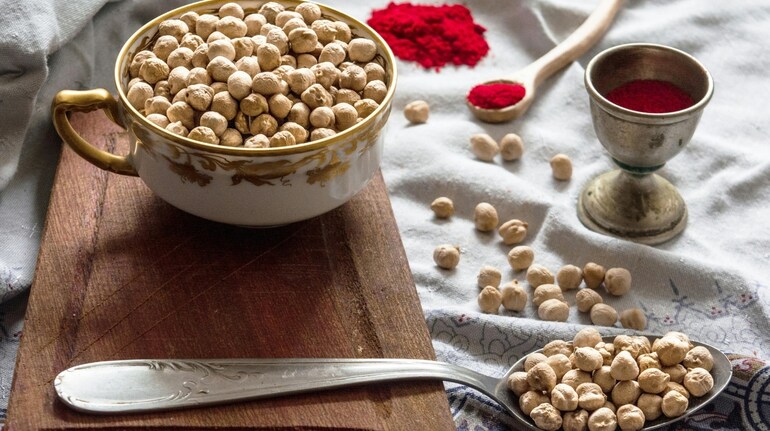
Plant foods supply ample protein: Lentils, beans, chickpeas, soy products, nuts, seeds and whole grains all contribute meaningful amounts of protein. When eaten in varied combinations across the day, these foods can comfortably meet daily protein needs without heavy reliance on animal products.
Also read | 7 high-protein foods every vegetarian can add to their diet to lose weight
Animal protein often comes with extra fats: While animal foods deliver concentrated protein, they may also carry higher levels of saturated fat and cholesterol. In populations already facing rising metabolic diseases, these additional nutrients become an important part of the dietary equation.
Protein obsession can crowd out fibre: A strong emphasis on protein intake can sometimes push other nutritional priorities aside. Fibre, for instance, remains under-consumed in many diets despite its vital role in digestive health, blood sugar control and heart health.
Diet diversity matters as much as protein: Healthy diets are rarely built around a single nutrient. Meals that include a wide variety of plant foods tend to deliver fibre, vitamins, minerals and beneficial compounds alongside protein, creating a more balanced nutritional profile.
Food quality matters more than protein counts: Plant-based protein sources support healthier cholesterol and blood sugar levels. These are factors closely linked to long-term disease risk. Despite the ongoing protein buzz, nutrition experts say that in chasing grams of protein, people may benefit more from paying attention to the overall pattern of their diet. Says Dr Rahman, “Focusing on food quality and balance leads to diets that are nutritionally adequate and better aligned with long-term health.”
Disclaimer: This article, including health and fitness advice, only provides generic information. Don’t treat it as a substitute for qualified medical opinion. Always consult a specialist for specific health diagnosis.
Discover the latest Business News, Sensex, and Nifty updates. Obtain Personal Finance insights, tax queries, and expert opinions on Moneycontrol or download the Moneycontrol App to stay updated!
Find the best of Al News in one place, specially curated for you every weekend.
Stay on top of the latest tech trends and biggest startup news.





