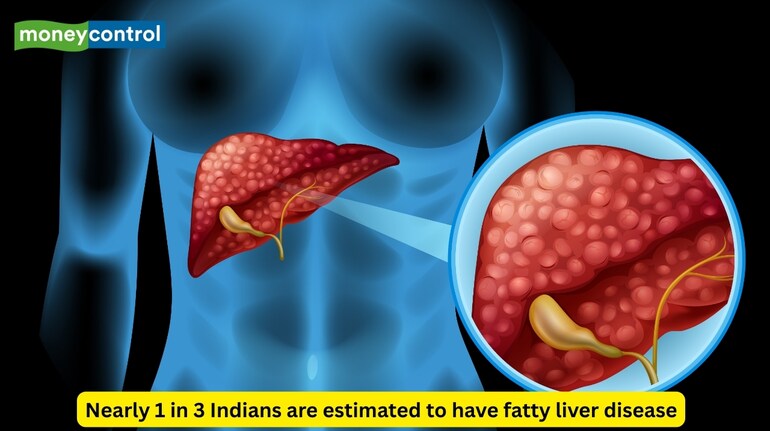

Fatty liver disease is a condition in which excess fat builds up in the liver, affecting the healthy functioning of your body. Earlier, it was mostly linked to heavy drinking, but now it is attributed to lifestyle factors. Fast food, hectic work hours, prolonged sitting, and stress are some of the contributing factors. That’s why most cases now fall under non-alcoholic fatty liver disease (NAFLD).
Dr Alok Chopra, a Delhi-based cardiologist with 40 years of experience, took to his Instagram account and shared that while modern lifestyle may be responsible for NAFLD, genetics play a bigger role. "Indians are far more likely to develop fatty liver disease, almost three times more than many other ethnicities. This isn’t just about the modern lifestyle, there is a deep evolutionary reason,” he said.
“People from the Indian subcontinent—India, Pakistan, Bangladesh, Sri Lanka—have a genetic adaptation from generations of living through famine. Our bodies learn to store fat in the liver quickly as a survival mechanism. The famine disappeared, but the genetics switch never turned off,” he added.
Also read: Woman slips into same dress after losing 45 kilos, the difference is shocking
As a result, nearly 1 in 3 Indians are estimated to have fatty liver disease, and the real number may be closer to half the population. However, Dr Chopra pointed out that fatty liver is reversible. He called the liver the most “remarkable organ,” which detoxifies, regenerates, and supports metabolism, hormones, and energy.
Thus, all it needs is the right environment to heal. That’s where taking early action becomes important. Proper nutrition and lifestyle changes can go a long way in protecting your liver.
Dr Chopra suggested, “Eat your dinner early, avoid late night snacking, and include periods of intermittent fasting just like your ancestors naturally did.”
“Your grandma was right. The bad oils, corn syrups, and highly processed foods push the liver towards inflammation and fat storage,” he added.
Also read: Doctor says these 3 medicines can save a heart attack patient
He called glutathione as the body's master antioxidant and suggested including it in your diet. “Other antioxidant-rich foods include berries, blueberries, strawberries, dark leafy greens like kale and spinach, and colourful produce such as carrots, sweet potatoes, tomatoes, and bell peppers. And even coffee, which research shows can lower the risk of fatty liver,” he noted.
Q1: What is fatty liver disease?
Fatty liver disease occurs when excess fat builds up in liver cells. It can be related to alcohol use (alcohol-related fatty liver) or metabolic factors like obesity and diabetes (non-alcoholic fatty liver disease, NAFLD).
Q2: What causes fatty liver?
Common causes include excess alcohol intake, obesity, poor diet, high cholesterol, type 2 diabetes, insulin resistance, and a sedentary lifestyle.
Q3: Is fatty liver a serious condition?
In early stages, fatty liver is often reversible. If left untreated, it can progress to liver inflammation, scarring (fibrosis), cirrhosis, or liver failure.
Q4: What are the symptoms of fatty liver?
Many people have no symptoms. Some may experience fatigue, abdominal discomfort, or fullness on the right side of the abdomen.
Q5: How is fatty liver diagnosed?
It is commonly detected through blood tests, ultrasound, CT or MRI scans, and sometimes liver biopsy in advanced cases.
Disclaimer: This article, including health and fitness advice, only provides generic information. Don’t treat it as a substitute for qualified medical opinion. Always consult a specialist for specific health diagnosis.
Discover the latest Business News, Sensex, and Nifty updates. Obtain Personal Finance insights, tax queries, and expert opinions on Moneycontrol or download the Moneycontrol App to stay updated!
Find the best of Al News in one place, specially curated for you every weekend.
Stay on top of the latest tech trends and biggest startup news.