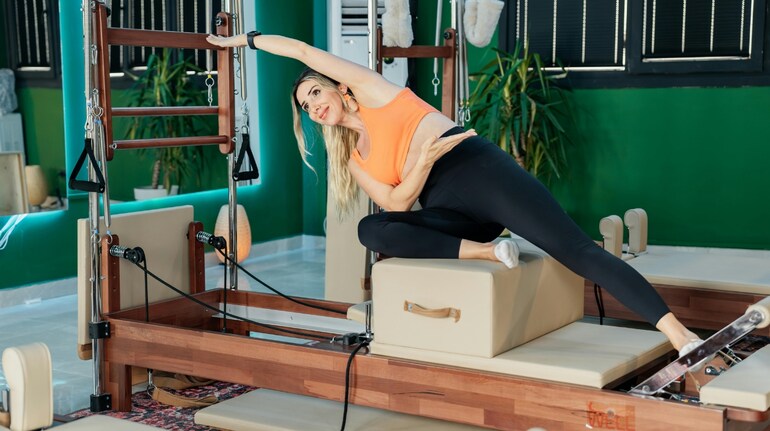

It’s 2026 and we are standing at a crossroads in how we think about fitness. The newest trends suggest that the next period of exercise is less about running on treadmills and more about improving life at every stage. Physical activity is now being reimagined as a lifelong companion in fighting chronic disease, maintaining mental clarity, and building real strength from the inside out.
Movement today, is not a punishment but a preservation, a therapy and a daily ritual. According to the National Institutes of Health (NIH) regular physical activity reduces risks of cardiovascular disease, diabetes and even some cancers, while promoting healthy ageing and emotional wellbeing across the lifespan.
Published in early 2026, the Les Mills 2026 Global Fitness Report captures five years of evolving fitness motivations, barriers and behaviours, drawing on data from over 10,000 active and aspiring exercisers across five continents. What it shows is a sector in vibrant transformation, which says, traditional drivers like weight loss and physical aesthetics still matter, but they’re increasingly supplanted by desires for mental wellbeing, emotional resilience, and a meaningful fitness experience.
Once niche, Pilates has become a foundational movement system. Its emphasis on alignment, breath and controlled strength aligns perfectly with longevity‑centric fitness, and with research showing that a balanced movement approach supports joint health and long‑term functional mobility.
Across wellness surveys, longevity continues to be a dominant fitness motivator, with more people choosing sustainable routines over high‑intensity extremes. NIH findings suggest that lifelong muscle activity and aerobic work help lower death risks and chronic disease onset.
This year it’s Japanese interval walking, where fast and slow walking alternate in timed cycles. It has a good popularity online. similar walking programmes are known to improve aerobic capacity, muscle endurance and blood pressure. NIH stresses that even light‑to‑moderate physical activity can reduce anxiety, improve sleep and contribute to cardiovascular health, whether you’re 30 or 70.
Artificial intelligence isn’t just an app feature anymore, it’s becoming a personalised trainer at your home. Smart coaching platforms that tailor workouts based on feedback and performance respond to the modern desire for workouts that adapt to you, supporting consistency and motivation.
Heated and ultra‑sweaty workouts are facing scrutiny as people prioritise nervous system regulation and recovery. Experts reveal that constant overload without recovery can increase stress hormones, undermining long‑term health, and science supports the idea that balanced, moderate movement fosters better outcomes.
Also read: Woman slips into same dress after losing 45 kilos, the difference is shocking
Even activewear is evolving beyond style statements toward purposeful functionality, the layered look trend blends form and fitness, echoing the broader cultural shift towards mindful movement gear that matches longevity goals.
Disclaimer: This article, including health and fitness advice, only provides generic information. Don’t treat it as a substitute for qualified medical opinion. Always consult a specialist for specific health diagnosis
Discover the latest Business News, Sensex, and Nifty updates. Obtain Personal Finance insights, tax queries, and expert opinions on Moneycontrol or download the Moneycontrol App to stay updated!
Find the best of Al News in one place, specially curated for you every weekend.
Stay on top of the latest tech trends and biggest startup news.