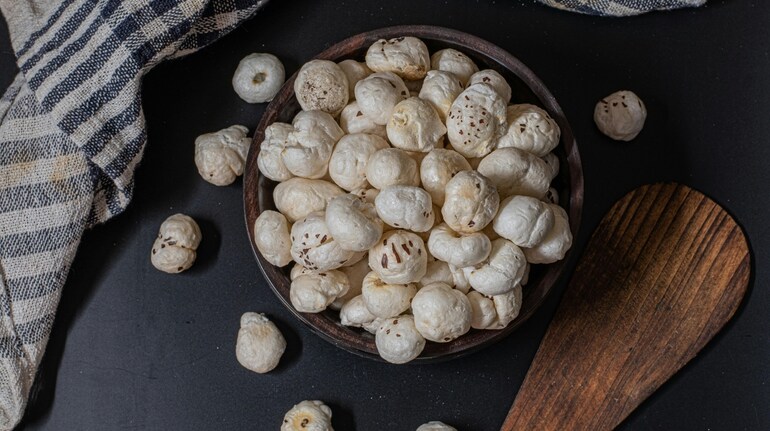

Makhana, also called fox nuts or lotus seeds, has turned into a healthy snack in lots of households. Light, crispy and easy to digest, makhana is commonly consumed as a snack by children rather than processed snacks. It is obtained from the seeds of the Euryale ferox plant, and it is rich with protein, calcium, magnesium and antioxidant-rich.
Makhanas can be a wise addition to the child’s diet but like any other food group moderation and balance is key.
“Parents feel that makhana is healthy, so the more you eat, the better but It’s not necessarily the case,” explains Dr. Rashmi Sanyal, MD (Pediatrics), Senior Consultant Pediatrician at Child Development & Nutrition Centre, Delhi. Although makhana is packed with nutrients that are good for brain development, excessive reliance on any particular snack will reduce the diversity of their diet which is indispensable to children as they grow.
Also Read: Best healthy snacks: Beat hunger cravings by eating smart, mindful munching
Makhana has magnesium which plays an important role in nerve function and brain signalling. Magnesium plays a role in managing neurotransmitters — the chemical messengers that regulate communication between brain cells.
Dr. Sanyal adds that proper magnesium intake promotes learning ability, focus and emotional balance in children. Makhana is also a good source of iron which helps in brain oxygen supply. But it should not be a substitute for iron-rich foods like lentils, leafy greens and fortified cereals.
Stable energy levels are necessary for school performance and cognitive function in children. Makhana being a good source of complex carbohydrates releases energy slowly, unlike sugary packaged food.
“This helps prevent sudden spikes and crashes in sugar that can affect focus,” Dr. Sanyal says. Dry-roasted with minimal salt or ghee, makhana makes for a healthy mid-evening snack and keeps children alert without undue stimulation.
Makhana is loaded with antioxidants that help overcome oxidative stress in the body. Oxidative stress can affect the health of a cell — including brain cells.
While kids are fairly hardy, steady consumption of antioxidant-rich foods only enhances cognitive and immune function in the long run. According to Dr. Sanyal, pairing makhane with nuts such as almonds and walnuts can complement the brain-supporting nutrients in a nutty treat.
The gut and brain have a strong connection via the gut-brain axis. Although it is ripened, the makhana is light and easily digestible; therefore, even children with a little sensitive digestion can consume it.
A healthy gut promotes better mood, focus and immunity. However, it may cause some children to feel bloated due to its fiber content.
Also Read: Make your makhana snack healthier, crunchier, and more flavourful with this tip
Dr. Sanyal recommends:
Toddlers (2–5 years): Small handful (10–15 pieces)
Children of school age: 1 small bowl (dry weight 20–30 grams)
Teenagers: 30–40 grams maximum, as part of a balanced diet
“It can be one snack of many, not the only daily snack,” she says.
Makhana gives consistent energy, brain function and all-around growth. But true brain development requires a balanced diet, adequate sleep, physical activity and emotional well-being. So yes, you can serve makhana on a daily basis — just ensure it’s an integral part of a wholesome, colourful and nourishing diet for your child’s growing brain.
1. What benefits does makhana offer for my child's brain development?
Makhana contains magnesium, which is vital for nerve function and brain signalling. It helps manage neurotransmitters, enhancing learning ability, focus, and emotional balance. Makhana also provides iron, important for brain oxygen supply, though it should not replace other iron-rich foods.
2. How does makhana support steady energy levels in children?
As a good source of complex carbohydrates, makhana releases energy gradually, preventing sudden sugar spikes and crashes that can affect concentration. Dry-roasted with minimal salt or ghee, it makes a healthy mid-evening snack, keeping children alert without overstimulation.
3. Are there any antioxidant benefits in makhana?
Yes, makhana is packed with antioxidants that combat oxidative stress, benefiting overall cell health, including brain cells. Regular consumption of antioxidant-rich foods can enhance cognitive and immune function over time. Pairing makhana with nuts like almonds and walnuts can further support brain health.
4. Is makhana good for gut health?
Makhana is light and easily digestible, making it suitable even for children with sensitive digestion. A healthy gut promotes better mood, focus, and immunity. However, its fibre content may cause bloating in some children.
5. How much makhana is safe for children to consume daily?
Dr. Sanyal recommends:
- Toddlers (2–5 years): Small handful (10–15 pieces)
- School-aged children: 1 small bowl (20–30 grams dry weight)
- Teenagers: 30–40 grams maximum, as part of a balanced diet
Disclaimer: This article, including health and fitness advice, only provides generic information. Don’t treat it as a substitute for qualified medical opinion. Always consult a specialist for specific health diagnosis
Discover the latest Business News, Sensex, and Nifty updates. Obtain Personal Finance insights, tax queries, and expert opinions on Moneycontrol or download the Moneycontrol App to stay updated!
Find the best of Al News in one place, specially curated for you every weekend.
Stay on top of the latest tech trends and biggest startup news.