






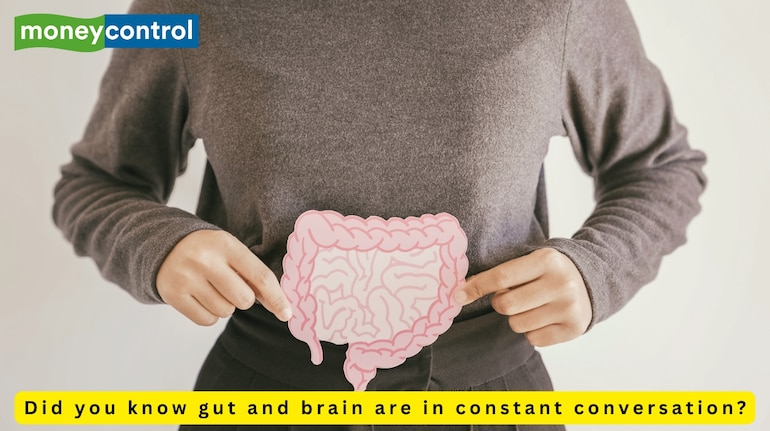

Gut health has gained more attention in recent years, as many have realised its importance for overall well-being. Our gut isn’t just a food-processing tube; it’s a stress sensor, immune hub, nervous-system partner, and habit tracker all rolled into one.
While we may think that diet is the most important factor, it is, in reality, only one lever. Factors such as stress, sleep, and physical activity determine the internal environment that allows beneficial bacteria to thrive or harmful strains to take over.
According to gut expert Dr. Khemraj Mourya, R&D Head at Mool Health, “The gut and brain are in constant conversation via the gut–brain axis.” Chronic stress, anxiety, poor sleep, and emotional overload all change:
“You can eat the cleanest diet imaginable, but if your nervous system is stuck in fight-or fight, digestion stays compromised. If lifestyle stays the same, gut problems tend to circle right back,” he added. That is why diet-only approaches often fail and people get frustrated because:
That’s usually a sign the root cause isn’t food alone. Here’s why real gut healing almost always requires broader lifestyle changes.
Gut healing is followed through Ayurveda which goes far beyond changing what you eat. Ayurveda emphasises that digestion is shaped just as powerfully by lifestyle, daily rhythm, mental state, and nervous system balance. True gut healing happens when these elements work together.
Dr Mourya explained, “At the centre of Ayurvedic Gut is Agni (the digestive fire) and Kostha (intestines functions). Strong Agni allows food to be properly digested, absorbed, and transformed into energy. Weak or disturbed Agni leads to the buildup of toxins, which contribute to bloating, inflammation, food sensitivities, and chronic gut issues. Kostha defines gut motility, stool consistency, colon sensitivity & nervous system regulation.”
Disciplined lifestyle like regular wake times, consistent meal schedules, eating the largest meal at midday, and avoiding late-night eating all help stabilise Agni. “Irregular habits confuse the digestive system and weaken its capacity, even when food choices are ideal,” he pointed out.
Sleep is also considered a primary digestive medicine. According to the gut expert, poor or inconsistent sleep disrupts gut repair, increases inflammation, and worsens digestive symptoms. Movement and emotional health are equally important. Gentle, appropriate exercise supports digestion, while overexertion can damage the gut.
Ultimately, sustainable gut healing comes from restoring balance in how we live, rest, move, and respond to stress, not from diet alone.
Also read: Doctor says these 3 medicines can save a heart attack patient
1. What does “healing your gut” mean?
Healing your gut refers to improving the balance and function of your digestive system, particularly the gut microbiome — the trillions of bacteria and microbes that live in your intestines and influence overall health.
2. Why is gut health so important?
Your gut plays a key role in digestion, nutrient absorption, immunity, hormone regulation, and even mental health. A healthy gut supports overall well-being.
3. What are signs of poor gut health?
Common signs include bloating, gas, constipation, diarrhea, frequent infections, fatigue, food intolerances, skin issues, and mood changes.
4. How does gut health affect immunity?
Nearly 70% of the immune system is linked to the gut. A balanced microbiome helps your body fight harmful bacteria and viruses more effectively.
5. Can gut health impact mental health?
Yes. The gut and brain are connected through the gut-brain axis. An unhealthy gut may contribute to anxiety, stress, and mood imbalances.
Disclaimer: This article, including health and fitness advice, only provides generic information. Don’t treat it as a substitute for qualified medical opinion. Always consult a specialist for specific health diagnosis.
Discover the latest Business News, Sensex, and Nifty updates. Obtain Personal Finance insights, tax queries, and expert opinions on Moneycontrol or download the Moneycontrol App to stay updated!
Find the best of Al News in one place, specially curated for you every weekend.
Stay on top of the latest tech trends and biggest startup news.





