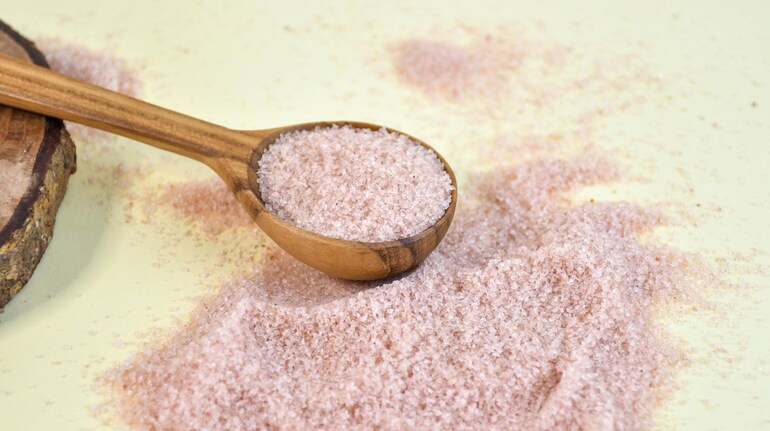

Just as brown eggs are believed to be better than white eggs (which is not true), Himalayan rock salt (pink) has also gained a reputation in recent years for being healthier than iodised salt. This is largely because it undergoes minimal processing and is enjoyed for its subtle flavour.
This made Dr Sudhir Kumar, an Apollo neurologist in Hyderabad, take to his X account and bust some of the common myths. He clarified in his long post that Himalayan salt may be considered premium, but the good old iodised salt protects the brain and prevents thyroid-related disorders.
Dr Sudhir Kumar explained that Himalayan salt may have trace minerals, such as iron, calcium, and magnesium, but the amount is too little to meet any real nutritional benefit. If you want to meet your requirements of calcium or magnesium from it, you’d have to eat an excess amount of salt.
Many people also believe that it is more natural, so it must be better. But the neurologist clarified that there is no reason for it to be considered “nutritionally superior.” The body processes sodium the same way, regardless of whether it’s pink, white, or expensive.
Also read: Why Bihari cuisine is emerging as India’s next big food obsession
Another common misconception is that Sendha or pink salt is better for cardiovascular health. This may be far from the truth, as there is no scientific evidence that Himalayan salt lowers blood pressure or protects the heart. Dr Kumar said, “Sodium is sodium.”
Himalayan Rock Salt vs Iodized Salt: Let’s Bust Some Myths▶️MYTH 1: “Himalayan salt is healthier because it has minerals.” FACT: Yes, it has trace minerals; but in amounts so tiny they offer no real nutritional benefit. To get meaningful calcium or magnesium from it, you would… pic.twitter.com/RcHs9Uvoni — Dr Sudhir Kumar MD DM (@hyderabaddoctor) February 11, 2026
Similarly, a section now believes iodised salt is inferior or chemical. But the doctor shared that it is one of the biggest public health achievements. Iodine helps prevent goitre and hypothyroidism, and, most importantly, protects children from impaired brain development and reduced IQ.
Dr Kumar said, “Most Himalayan rock salts are not iodised. In a country like India, that matters.” So just because it’s expensive, it is not better. He called it a “wellness narrative,” which has no scientifically proven benefits. When you are buying Himalayan salt, you are merely paying for colour, texture, and branding.
The neurologist recommended using iodised salt at home, but restricting the intake to <5 g/day. He also urged people not to confuse expensive pricing with nutrition. “If someone enjoys Himalayan salt for taste or texture, that is fine, but it should be a culinary choice, not a health decision,” he concluded.
1. What is Himalayan rock salt?
Himalayan rock salt is a pink-colored salt mined from salt deposits in the Himalayan region. Its color comes from trace minerals such as iron, potassium, and magnesium.
2. What is iodised salt?
Iodised salt is regular table salt that has been fortified with iodine, an essential mineral needed for proper thyroid function and overall health.
3. What is the main difference between the two?
The primary difference is iodine content. Iodised salt contains added iodine, while Himalayan rock salt typically contains little to no iodine unless fortified.
4. Why is iodine important?
Iodine is crucial for producing thyroid hormones, which regulate metabolism, growth, and brain development. Iodine deficiency can lead to goitre and other thyroid disorders.
5. Does Himalayan rock salt contain more minerals?
Himalayan salt does contain trace minerals, but they are present in very small amounts and usually do not provide significant nutritional benefits.
Disclaimer: This article, including health and fitness advice, only provides generic information. Don’t treat it as a substitute for qualified medical opinion. Always consult a specialist for specific health diagnosis.
Discover the latest Business News, Sensex, and Nifty updates. Obtain Personal Finance insights, tax queries, and expert opinions on Moneycontrol or download the Moneycontrol App to stay updated!
Find the best of Al News in one place, specially curated for you every weekend.
Stay on top of the latest tech trends and biggest startup news.