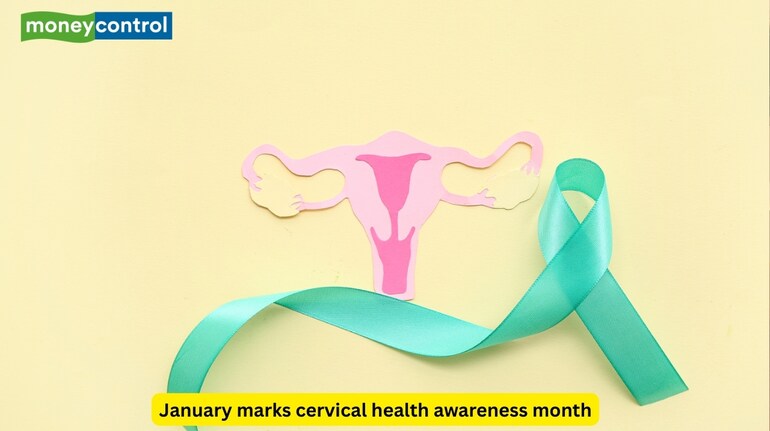

Cervical cancer, one of the preventable cancers, should not still be taking women’s lives in 2026. And yet, across India, it continues to do so. January is Cervical Health Awareness Month. It is a reminder that prevention is not optional healthcare; it is essential.
Unlike many life-threatening illnesses, cervical cancer does not usually come with big warning signs or symptoms. For many women juggling work, family and social expectations, routine gynaecological visits are pushed aside, sometimes for years. By the time symptoms appear, the disease has often advanced. “Cervical cancer is one of the few cancers where we have clear, effective tools for prevention, yet we see women coming in at late stages far too often,” says Dr Rujul Jhaveri, Consultant, Obstetrics and Gynaecology, Narayana Health SRCC Children’s Hospital, Mumbai. “The tragedy is that many of these cases could have been avoided.”
In its early stages, cervical cancer rarely causes noticeable symptoms. “This creates a false sense of reassurance, especially among women who otherwise feel healthy.
In urban and semi-urban India, social discomfort and stigma around pelvic exams further delay care.” he says. Conversations around reproductive health are still whispered, if they happen at all. Dr Jhaveri explains, “Many women hesitate to come in for routine screening unless something feels ‘seriously wrong’. By then, we have lost valuable time.”
Regular cervical screening can detect precancerous changes years before cancer develops. Pap smears and HPV tests are quick, effective and widely available, yet remain underused. “Screening is not something you do only when you feel unwell,” says Dr Jhaveri. “It’s a preventive step, much like checking blood pressure or sugar levels.”
Persistent infection with high-risk HPV strains is the primary cause of cervical cancer. While HPV is common and often clears naturally, undetected infections can trigger dangerous cellular changes over time. Vaccination targets the problem at its root. When given early, it can prevent most cervical cancers before they ever begin.
HPV vaccination works best when given before exposure to the virus, making early adolescence a crucial window. However, this opportunity is frequently missed.
“Paediatric and adolescent clinics are powerful spaces for prevention,” Dr Jhaveri tells. “If we normalise HPV vaccination early, we can drastically lower cervical cancer risk decades later.” Cervical cancer does not develop overnight. “It offers repeated chances for interception, through awareness, vaccination and regular screening.”
1. What is cervical cancer?
Cervical cancer is a type of cancer that develops in the cells of the cervix, the lower part of the uterus that connects to the vagina.
2. What causes cervical cancer?
Most cases are caused by long-term infection with high-risk types of human papillomavirus (HPV).
3. What are the early symptoms of cervical cancer?
Early stages may have no symptoms; later signs include abnormal vaginal bleeding, pelvic pain, and pain during intercourse.
4. How can cervical cancer be prevented?
HPV vaccination, regular Pap smear or HPV screening, safe sexual practices, and not smoking help reduce risk.
5. Is cervical cancer treatable?
Yes, when detected early, cervical cancer is highly treatable with options like surgery, radiation, and chemotherapy.
Disclaimer: This article, including health and fitness advice, only provides generic information. Don’t treat it as a substitute for qualified medical opinion. Always consult a specialist for specific health diagnosis.
Discover the latest Business News, Sensex, and Nifty updates. Obtain Personal Finance insights, tax queries, and expert opinions on Moneycontrol or download the Moneycontrol App to stay updated!
Find the best of Al News in one place, specially curated for you every weekend.
Stay on top of the latest tech trends and biggest startup news.