






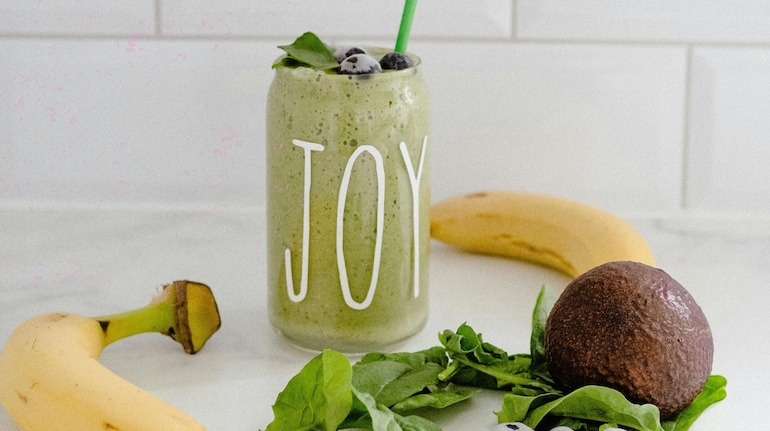

Consuming juices and smoothies made from vegetables has gained popularity as a convenient means of boosting daily nutrient intake, but the method used for preparation influences the overall nutrient content. A Mumbai-based celebrity nutritionist details what each option does for your health points.
Vegetable juices and smoothies have become a popular method for adding essential minerals, vitamins and antioxidants in one's diet. They are both made with fresh vegetables, and occasionally fruits, but how they are prepared can greatly affect their degree of healthiness.
Juicing removes most of the fiber from vegetables, leaving a lighter drink that is easy to absorb. Juices also separate out the fiber from the vegetable or fruit and discard it, allowing only vitamins and minerals to enter the body. On the other hand, Smoothies blend up the whole veggie or fruit with all the fiber intact along with the vitamins and minerals. These differences cause a lot of people to want to know which one is more nutritious.
According to Dr Niharika Kapoor, senior nutritionist at WellCare Clinic, Mumbai, both vegetable juices and smoothies can be part of a healthy diet, but which one is best for you will depend on your nutritional needs, digestion, calorie intake and overall health goals.
By knowing the differences between juicing and blending, one can pick the option according to health and daily nutrition requirements.
Juicing and blending are two methods of preparing drinks that create different final nutritional profiles. Juicing extracts the liquid from the vegetable pulp, discarding the majority of fiber and producing a concentrated source of vitamins and minerals.
Smoothies, on the other hand, puree the whole vegetable or fruit, so there’s no part left behind — and therefore the fiber isn’t stripped out. This gives you a healthier drink that helps with bulking as it fills your stomach further.
Vegetable juices are famous for providing a quick shot of nutrients as they are packed with vitamins and minerals. With the fiber removed, these nutrients can be absorbed by the body more readily.
However, certain nutrients may get lost in the juicing process — particularly when pulp is thrown away. Fiber, which is crucial to digestion and blood-sugar control, mostly disappears.
Smoothies tend to preserve more of the nutrients found in whole vegetables or fruit since they use the entire plant. Fiber also boosts digestion, which can keep blood sugar levels stable and promote good gut health.
Fiber also promotes satiety, so smoothies are more filling than juices. That can be especially helpful for people trying to manage their weight or limit habitual snacking.
Juices are usually easier to digest on the stomach and their fiber content is lower. They are also a good option for anyone needing speedy absorption of nutrients or any digestive sensitivities.
Smoothies, on the heavier side, tend to offer a slower nutrient release as they contain more fiber. This slow digestion will help keep energy levels even throughout the day.
Vegetable juices and smoothies both have their pros and cons, so you can incorporate them into a healthy diet in moderation. Juices help with quick nutrient consumption, while smoothies provide fibrous elements and a feeling of satiety.
As Dr Kapoor says, the best option here varies based on individual health objectives. Smoothies are superior for daily nutrition while juices may only be incorporated on occasion as a refreshing means of elevating vitamin consumption.
Also read: Doctor says these 3 medicines can save a heart attack patient
Q. What is the main difference between juices and smoothies?
Juices are made by extracting liquid from fruits or vegetables, usually removing most of the fibre. Smoothies blend the entire fruit or vegetable, so they retain fibre along with vitamins and minerals.
Q. Which is healthier: juices or smoothies?
Both can be healthy, but smoothies are often considered healthier because they contain fibre, which supports digestion, helps control blood sugar levels, and keeps you fuller for longer.
Q. Do smoothies have more fibre than juices?
Yes. Smoothies contain the whole fruit or vegetable, including the pulp and fibre. Juicing removes most of the fibre during the extraction process.
Q. Are juices better for quick nutrient absorption?
Juices may allow quicker absorption of vitamins and minerals because the fibre is removed, making them easier to digest. However, they may also cause faster spikes in blood sugar.
Q. Which option is better for weight management?
Smoothies may support weight management better because their fibre content increases satiety and helps prevent overeating.
Disclaimer: This article, including health and fitness advice, only provides generic information. Don’t treat it as a substitute for qualified medical opinion. Always consult a specialist for specific health diagnosis.
Discover the latest Business News, Sensex, and Nifty updates. Obtain Personal Finance insights, tax queries, and expert opinions on Moneycontrol or download the Moneycontrol App to stay updated!
Find the best of Al News in one place, specially curated for you every weekend.
Stay on top of the latest tech trends and biggest startup news.










