SCIENCE
Breakthrough in Quantum biology: Cells programmed as 'fluorescent qubits'
Researchers at the University of Chicago have turned fluorescent proteins into biological qubits, enabling living cells to function as quantum sensors for nanoscale studies and early disease detection.
SCIENCE
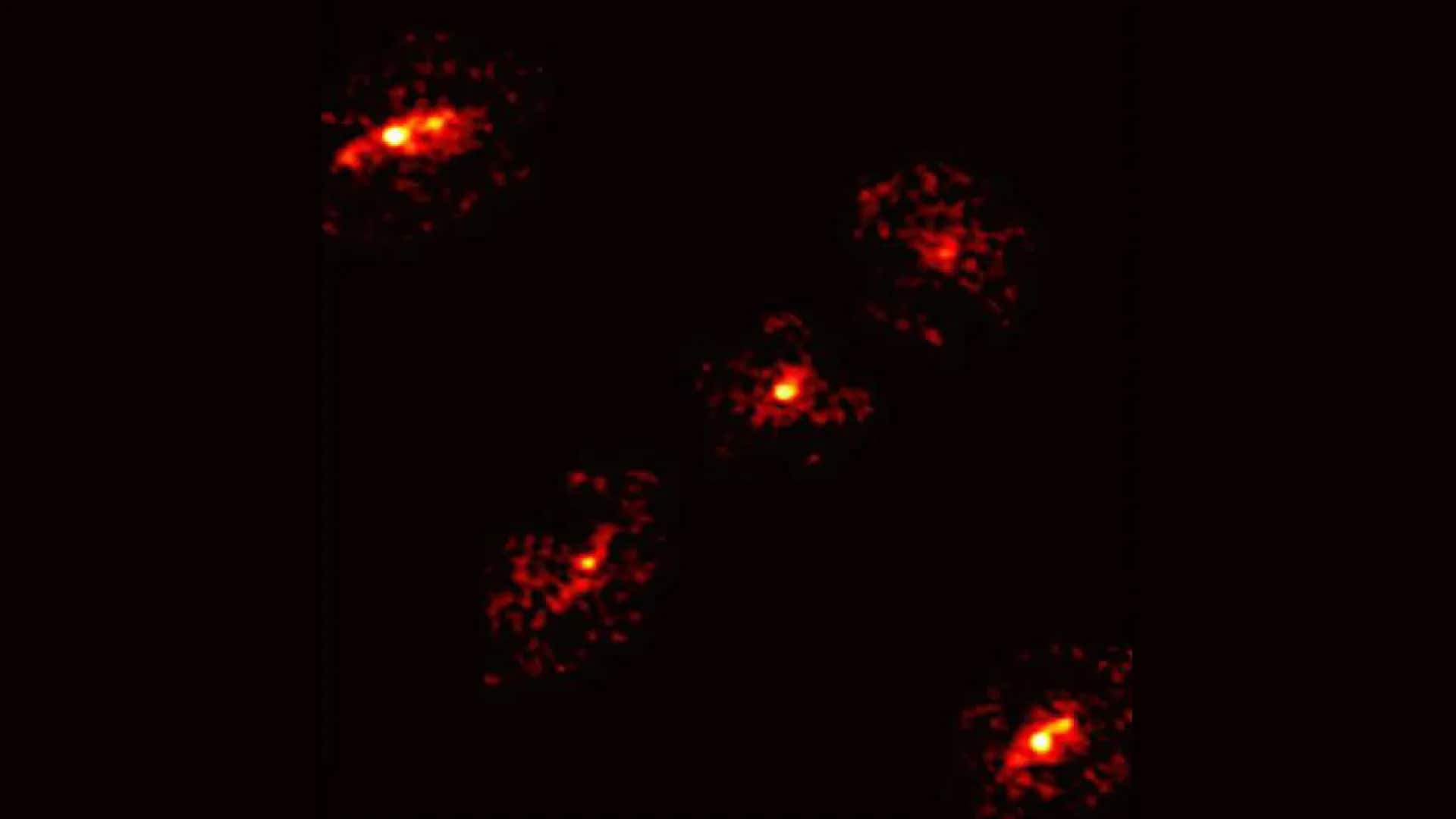
Scientists detected a fifth light in Einstein cross unveiling hidden dark matter in galaxy HerS-3
Scientists have detected an extraordinary fifth light in an Einstein cross within galaxy HerS-3. This rare phenomenon offers a unique window to study dark matter and the hidden forces shaping our universe.

SCIENCE
Study reveals how Ooids unlock secrets of Earth’s primordial oceans
A new study reveals ancient oceans over 1,000–541 million years ago stored 90–99% less carbon than assumed, offering scientific insights into life’s early evolution.
SCIENCE
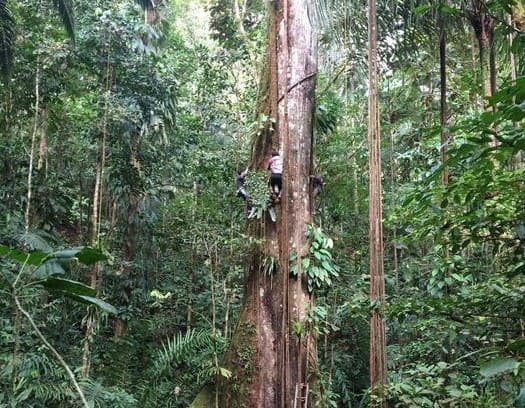
Study shows Amazon trees expanding amid climate change-Here’s what researchers discovered
Scientists research reveals Amazon trees are thickening, boosted by CO₂ fertilisation. These trees are growing above their average size, but climate shifts threaten the ancient giants that anchor the rainforest ecosystem.

SCIENCE
Miracle of new life: UK welcomes its only bonobo infant, setting a scientific milestone
Twycross Zoo welcomed the UK’s first bonobo infant, supporting EU conservation efforts and providing insights into bonobo biology and behaviour.

SCIENCE
Race against time: Two comets captured 'racing' side by side over Reunion island
Two comets, C/2025 K1 ATLAS and C/2025 R2 SWAN, were captured “racing” across the night sky of Réunion Island, resulting in stunning visuals and providing scientists with valuable insights.

SCIENCE
Meet this tiny bird who builds world’s largest communal nests which are shared across generations
Scientists study sociable weavers in Southern Africa, revealing how these sparrow-sized birds construct vast communal nests are persistence for over a century.

SCIENCE
Helicopters on the Moon? NASA astronaut candidate’s skills could shape Lunar landings
New NASA astronaut candidate Ben Bailey thinks that his 2,000 flight hours here on Earth might come in handy during a moon landing.
SCIENCE
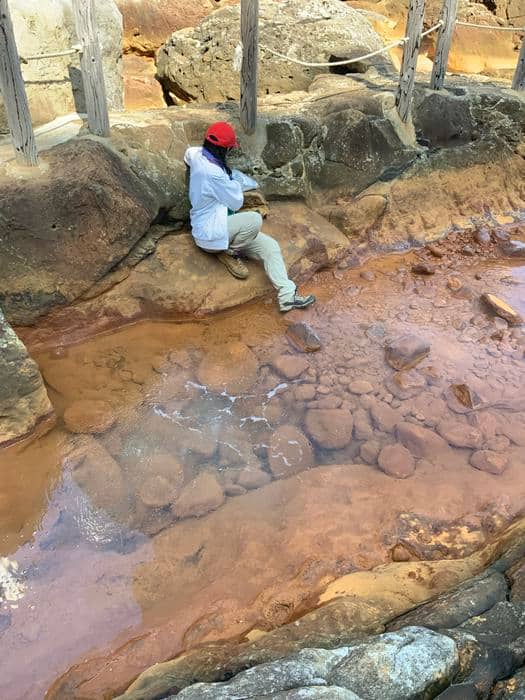
Research shows Japan’s hot springs show signs about early microbes
A new study on Japan’s iron-rich hot springs reveals how early microbes thrived before the Great Oxygenation Event, offering insights into ancient ecosystems and the potential for life on other planets.

SCIENCE
Scientists reveal closest alien civilizations may lie 33,000 light-years away-Here is what study says
A new study suggests that the closest intelligent extraterrestrial civilizations may lie 33,000 light-years from Earth, highlighting the challenges in detecting advanced life.

SCIENCE
NASA’s Artemis 2 spaceflight marks milestone with capsule named ‘Integrity’
NASA’s Artemis 2 astronauts have named their Orion spacecraft "Integrity". Launching on 5 February 2026, this highlights the Artemis programme’s key goals, which include returning humans to the Moon and Mars.

SCIENCE
SpIRIT satellite: Australia’s first astronomy nanosatellite begins its space research phase
SpIRIT, Australia’s first astronomy nanosatellite has completed its commissioning phase. This satellite will detect gamma-ray bursts and advance the nation’s role in space research.
SCIENCE
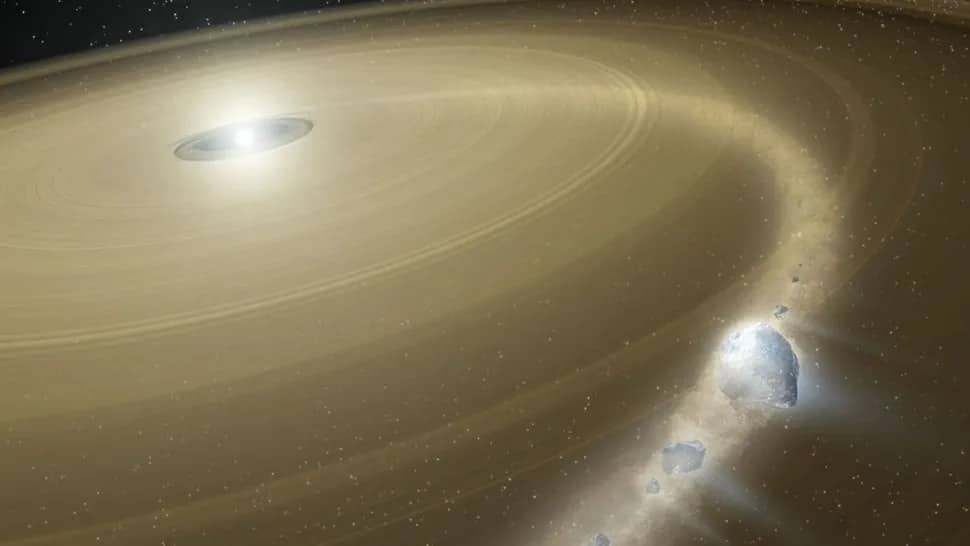
NASA's Hubble telescope captures dying star devouring a Pluto-like icy world
NASA's Hubble Space Telescope have witnessed a white dwarf star tearing apart an icy, Pluto-like world 260 light-years away, revealing water and volatile elements.

SCIENCE
World's smallest marine dolphin's underwater acrobatics reveal some hidden activities
Researchers uncover hidden activities of Hector’s dolphins, the world’s smallest marine dolphins, through fascinating displays of underwater acrobatics.

SCIENCE
A life in isolation: Delhi zoo’s beloved elephant 'Shankar' passes away at 29
Shankar, Delhi Zoo’s only African elephant, dies after years of isolation, sparking renewed concerns over elephant welfare in India.
SCIENCE
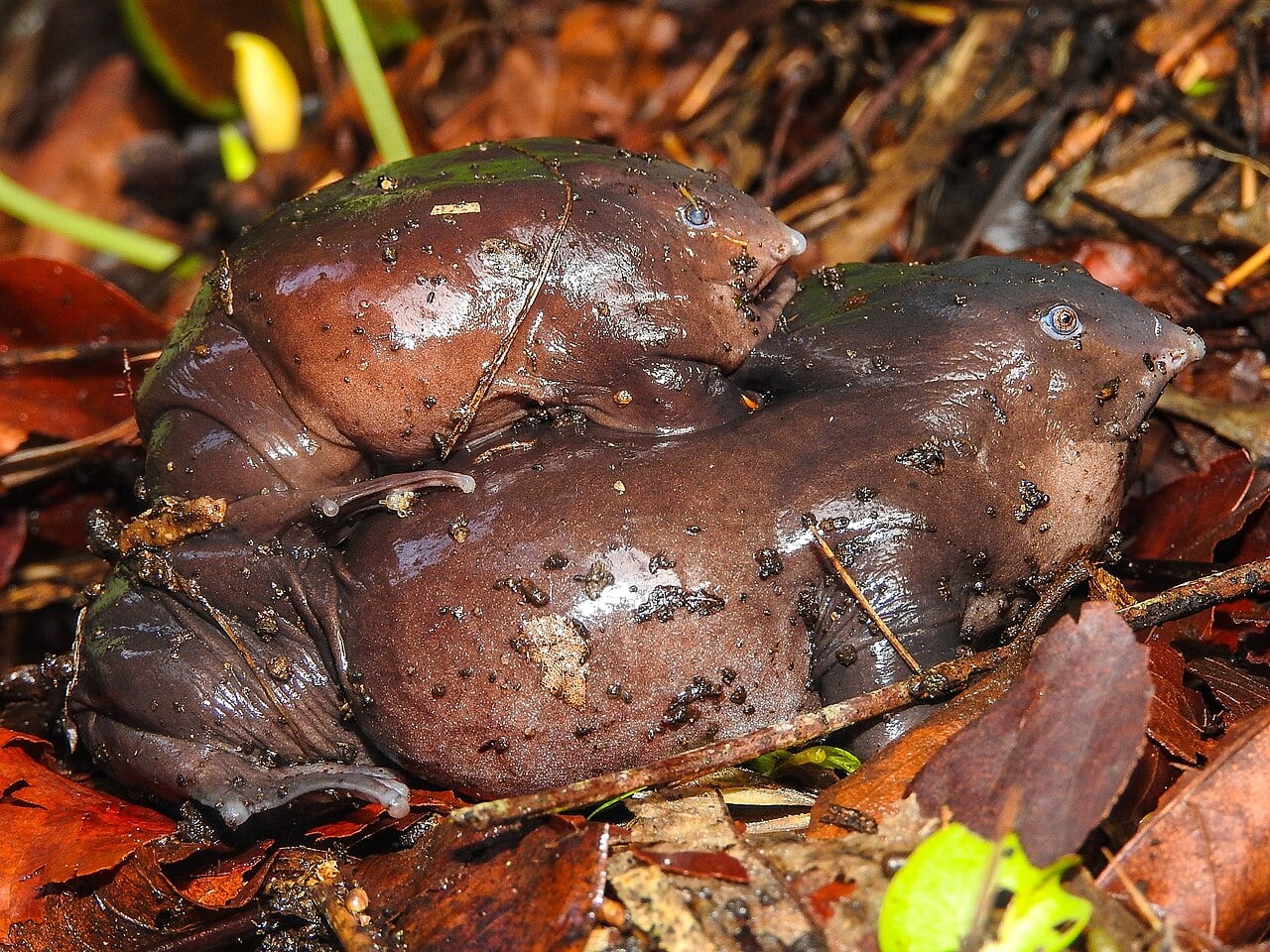
Where has the dinosaur-era purple frog been hiding? Scientists explain
Scientists discover ancient Purple Frog in India’s Western Ghats, revealing unique underground lifestyle, evolutionary history and conservation significance.

SCIENCE
Mushrooms make Psilocybin independently twice, highlighting nature’s surprising evolutionary strategy
Scientists discover mushrooms independently evolved psilocybin twice, revealing convergent evolution and new insights into fungal chemistry and psychedelic compounds.

SCIENCE
Scientists consider nuclear option to stop asteroid 2024 YR4 before it hits the Moon
Asteroid 2024 YR4 poses a small risk to Earth but higher chance of striking the Moon, prompting nuclear defence discussions.

SCIENCE
Traces of the milky way’s spiral arms found in Earth’s Zircon crystals-Here is what study says
New research shows ancient zircon crystals preserve chemical clues, linking Earth’s geological changes to galactic spiral crossings.
SCIENCE
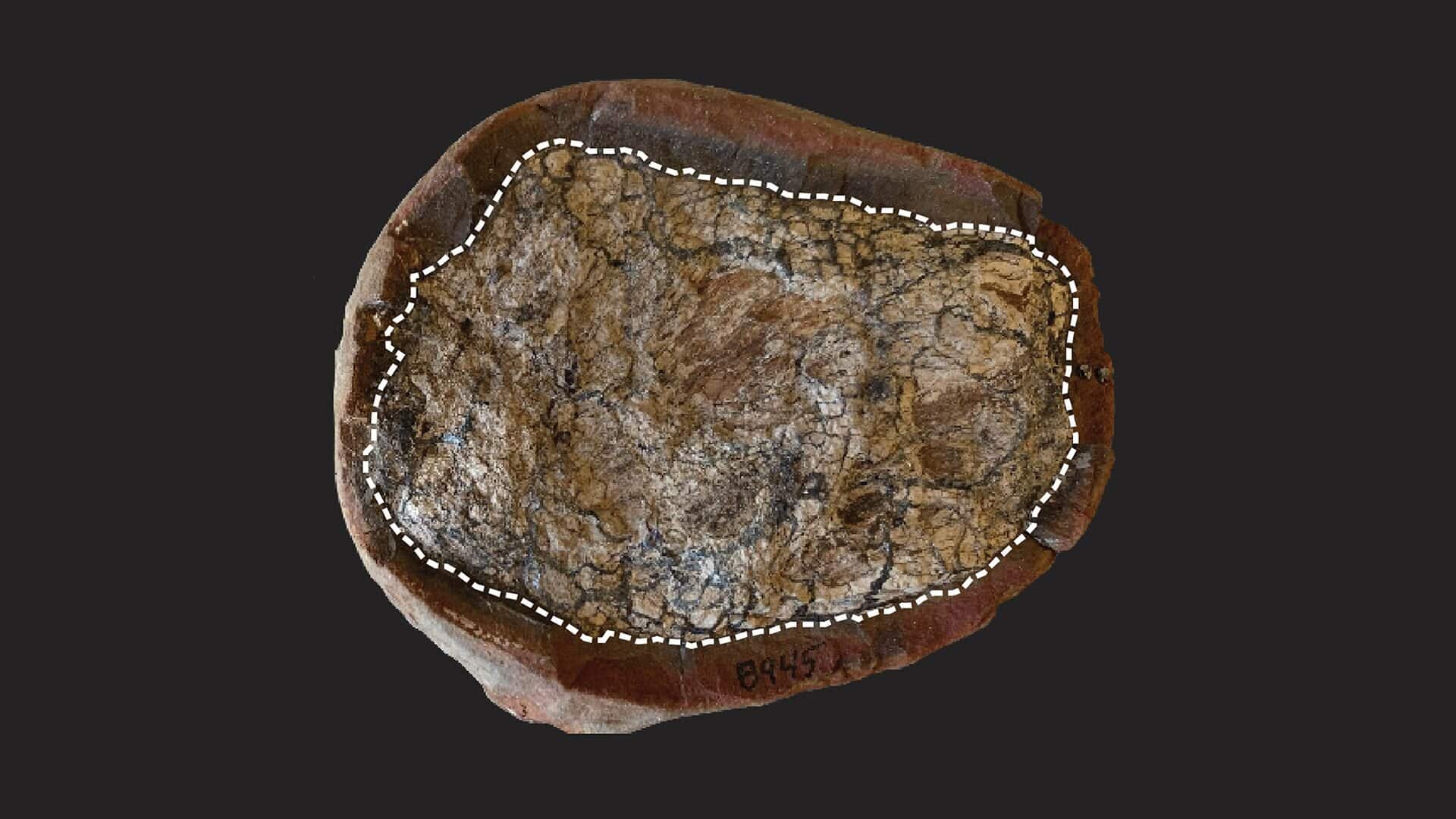
Researchers decode molecular fossils in faeces, exposing prehistoric diets and environments
New research shows iron carbonate preserved biomolecules in 300-million-year-old faeces, offering rare insights into prehistoric diets and ecosystems.
SCIENCE
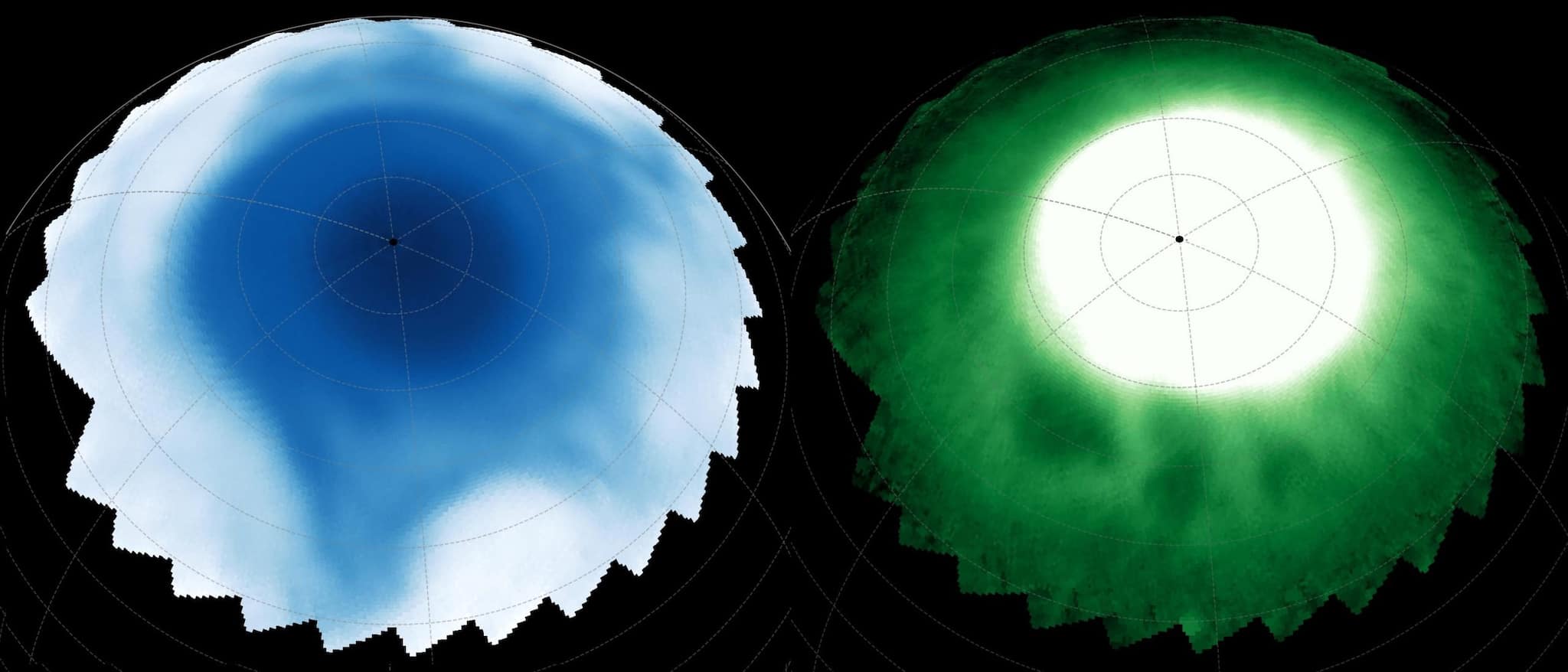
NASA’s Webb telescope reveals unprecedented Dark Beads and star-shaped patterns on Saturn
James Webb Space Telescope discovers drifting dark beads and star-shaped stratosphere structures on Saturn, challenging atmospheric models and revealing unseen dynamics.

SCIENCE
Cambridge study reveals ChatGPT-4 struggles with ancient Greek mathematical puzzle
Cambridge researchers test ChatGPT-4 on an ancient Greek maths puzzle, revealing strengths, weaknesses and the importance of guided AI reasoning.
SCIENCE
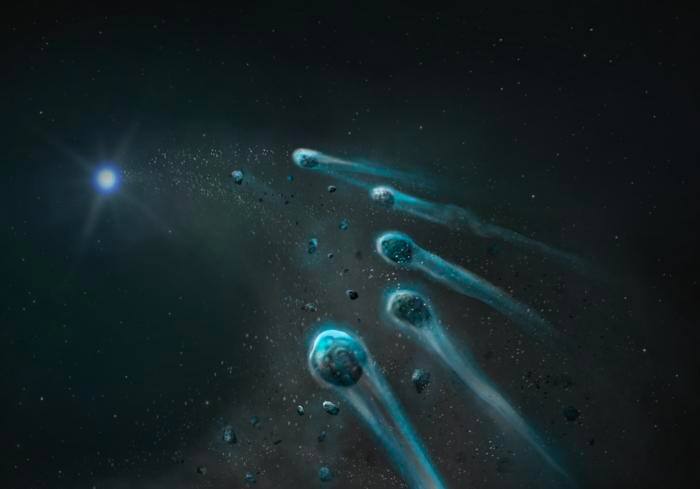
Astronomers discover White Dwarf Star consuming frozen planetesimal – Here is what research reveals
Astronomers spot a white dwarf consuming a Pluto-like icy world, uncovering volatile elements that reshape our understanding of planetary survival.

SCIENCE
New study confirms many sub-Neptune exoplanets are unlikely to be water worlds-Here is what study says
Astronomers have discovered that many sub-Neptune exoplanets, once thought to host vast oceans, are far less watery than previously imagined. Here is what study says.