Faced with dwindling sales and rise in competition, car makers have shed their inhibitions about selling to cab aggregators, such as Ola and Uber, to clock as much sales as possible.
Even newly launched models that are not more than six months old in the market are being sold to aggregators after discounts.
Though there is no law which stops buyers from putting the car for commercial use, car makers, however, have been over cautious in discouraging sales to such buyers.
Tata Motors, Volkswagen had pledged to not sell some of its cars used for cab aggregation business but had to later reverse their decision after sales from private buyers started to dwindle. As per findings of a report by IHS Markit, App-based aggregators bought 600,000 vehicles in the last five years.
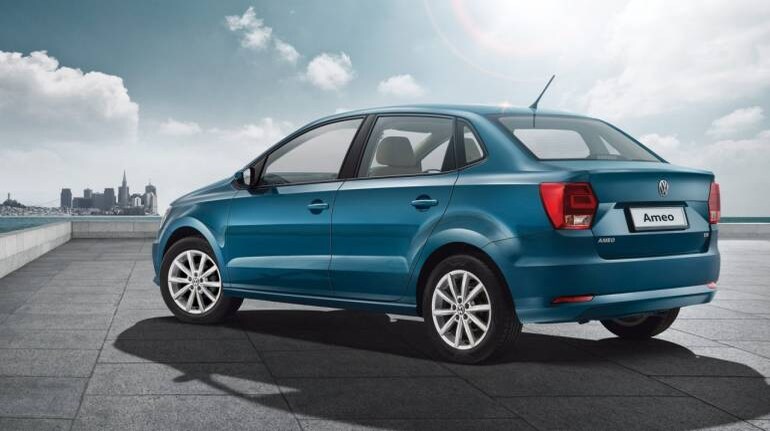
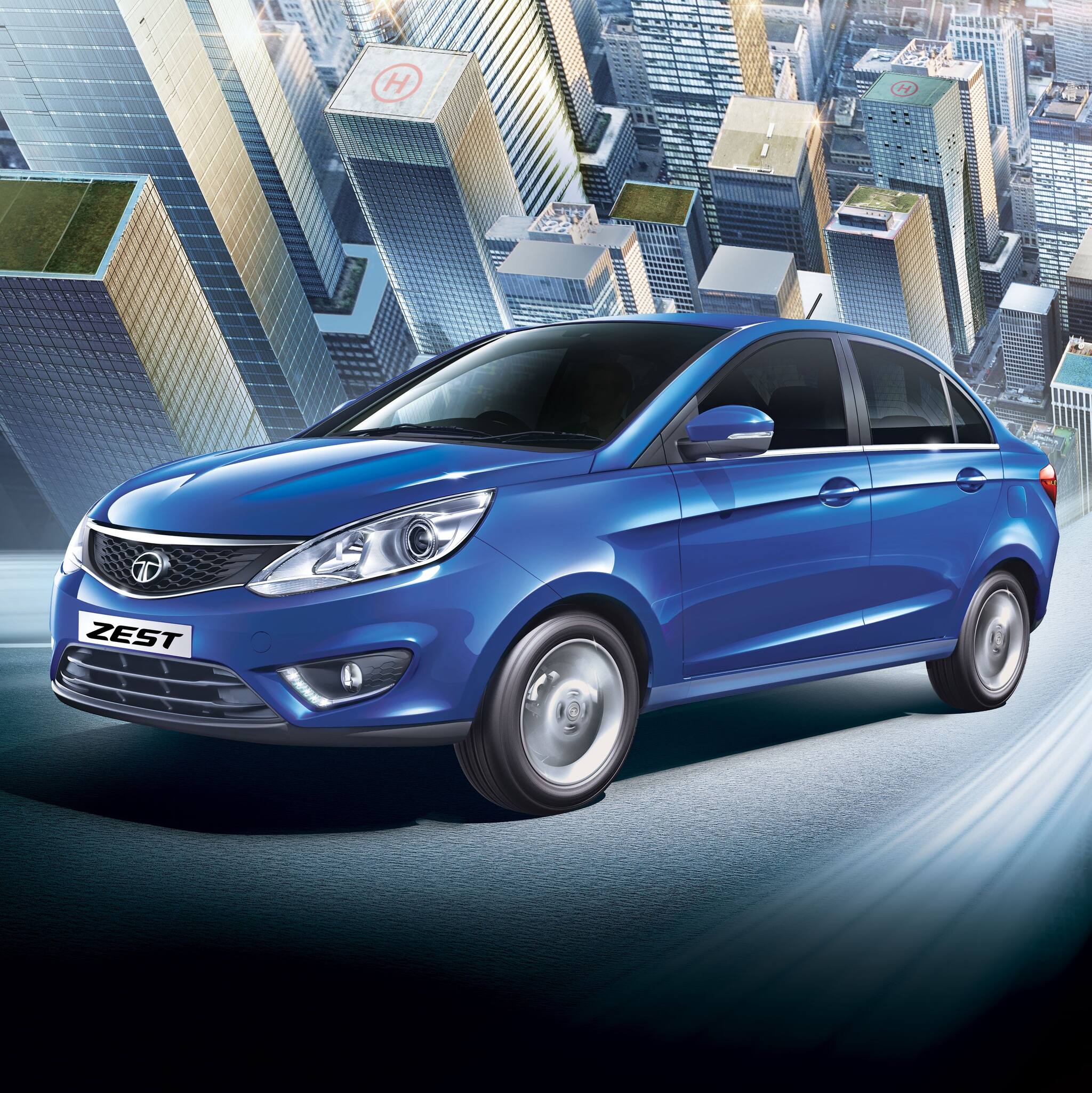
Tata Motors, for instance, had decided against selling its Zest (compact sedan) and Bolt (hatchback) to aggregators whereas Volkswagen said it will not allow sales of Ameo (compact sedan) to them.
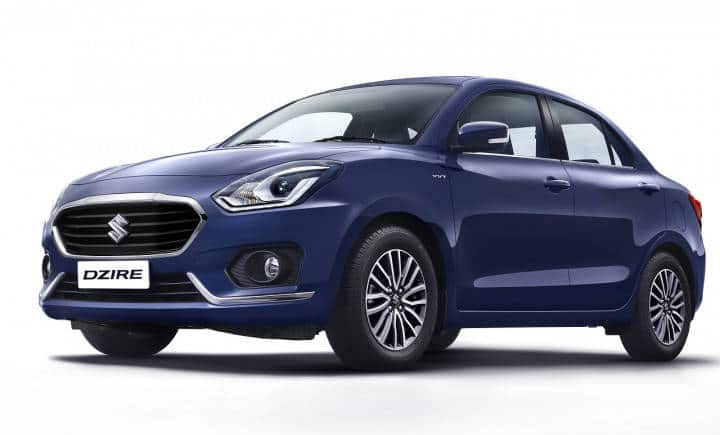
Unwilling to lose volumes and also reluctant to associate one of its prized brands with that of a taxi, car market leader Maruti Suzuki, decided to have two versions of the Dzire. One variant caters to the private buyer and the other to commercial users such as Ola and Uber.
All-new models from Ford, Figo and Aspire were sold to the commercial segment bearing the yellow number plate, within six months of the car being commercially launched in the market.
While Tata Motors declined several purchase requests for the Zest and Bolt for aggregation purposes, both models have made their way to the commercial market now.
Similarly the compact sedan Ameo from Volkswagen was developed exclusively for the private Indian buyer. However, the German company later acceded to requests from several commercial buyers.
All three models in the compact sedan space – Tata Zest, Ford Figo Aspire and Volkswagen Ameo – had to deal with strong competition from the all-new Maruti Suzuki Dzire last year. This was partly the reason why these companies routed sales to cab aggregators.
“People don’t wish to own cars that are also used as taxis. There is a stigma attached to it. Though overseas it is not a concern but in India, since a car is a product of aspiration, buyers do get put off”, said a Tata Motors official.
One of the first cars to get impacted due to this was the Tata Indica. The indigenously developed hatchback was retailed to the taxi segment in Mumbai and to other commercial buyers bearing the ‘T’ insignia. Over the years the car’s brand image took a beating and buyers switched to other options.
Tata Motors launched four more cars after that the Zest and Bolt – Tiago, Tigor, Hexa and Nexon – all of which have been restricted to the personal segment.
While sales to cab aggregators make up 8-10 percent of Maruti Suzuki's sales, it forms a crucial part for Hyundai. For instance, a bulk of orders for the compact sedan Xcent comes from the commercial buyer while the Elite i20 is largely for the personal buyer.



Discover the latest Business News, Sensex, and Nifty updates. Obtain Personal Finance insights, tax queries, and expert opinions on Moneycontrol or download the Moneycontrol App to stay updated!
Find the best of Al News in one place, specially curated for you every weekend.
Stay on top of the latest tech trends and biggest startup news.