


co-presented by
ASSOCIATE SPONSORS
co-presented by


ASSOCIATE SPONSORS


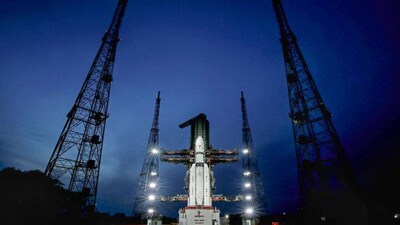
Learning from the failure of Chadrayaan-2 in 2019, ISRO chairman S Somnath said that the Vikram lander will be able to make a soft-landing on Moon's surface even if all of its sensors or two engines fail to work.

The Chandrayaan-3 mission by ISRO is set to make history with its much-anticipated lunar landing. Former ISRO director K Sivan shares insights into the space agency's innovative approach, drawing from Chandrayaan-2's lessons. Watch the video to know more!

The Indian Space Research Organisation on August 21 said a two-way communication has been established between Chandrayaan-2 orbiter and Chandrayaan-3 mission's lander module

Communication with Luna-25 was severed at 2:57 pm (1157 GMT) on August 19, as Roscosmos revealed. Initial assessments suggest the lander met its end due to a lunar surface collision. An anomaly arose on August 20 during pre-landing orbit preparations.

The spacecraft is scheduled to land on the south pole of the moon on August 21, racing to land on Earth’s satellite before the Chandrayaan 3.

Vikram lander and Pragyan rover underwent a successful separation from the spacecraft's propulsion module at around 1:15 pm on August 17, ISRO informed via a post on microblogging platform X, formerly Twitter

Chandrayaan-3 stands as a testament to India's resolute pursuit to understand the universe. As the three satellites take their positions around the Moon, they herald a new phase in India's space odyssey, igniting hopes for fresh discoveries and insights into the lunar realm.


