







A light winter mist covers the school grounds in the early morning. Chalk marks show where parade groups should stand. Students form neat lines with their shoes in a row. Tricolour balloons and ribbons move in the breeze against the light sky. The national flag goes up its pole in the middle of it all. Across India, this scene repeats itself every year on Republic Day—unchanged, familiar, almost sacred in its predictability.
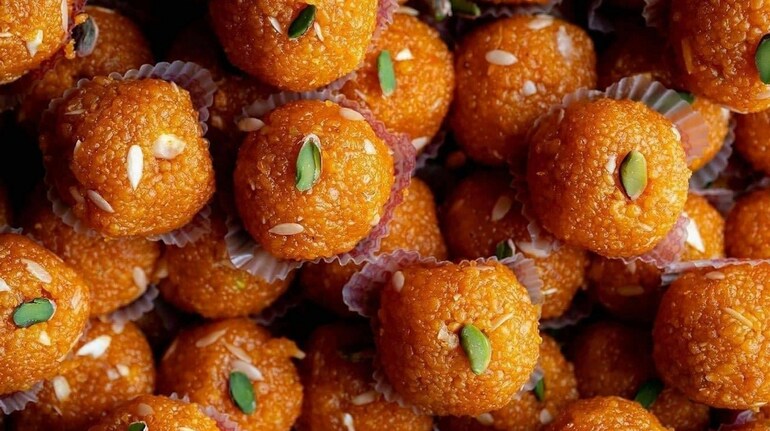
Every school and college follows the same well-rehearsed script. And no matter how much time passes, the day remains incomplete without a motichoor laddoo wrapped in thin butter paper, handed out immediately after the flag hoisting.
The national anthem ends, people clap, and the speeches finish. Then comes the laddoo. This soft aromatic treat signals the end of the ceremony.
Also Read: The real reason why almost no country has purple in its national flag
Beyond its taste, this familiar sweet carries the emotional weight of celebration, unity, and national pride. The motichoor laddoo has changed over the years. It started as an auspicious festival treat, but now stands for how India marks its key national days.
India's love for sweets goes beyond just enjoying them. During the fight for freedom, people rarely got to celebrate in public under British rule. When they did this, they often gave out sweets—small brave acts to share joy and hope.
According to stories passed over the years, after Jawaharlal Nehru delivered his first "Tryst with Destiny" speech on August 15, 1947, people distributed sweet motichoor laddoos after the speech. This image stuck around, whether it happened or not: people welcomed freedom not just with words and flags, but by passing sweets from person to person.
That gesture meant a great deal to a nation just emerging from a period of struggle. Distributing these laddoos shifted the notion of independence into something more tangible, collective, and personal.
People have offered these sweets for hundreds of years on many different occasions. Religious ceremonies, weddings, and other important life events celebrate new beginnings and collective joy.
These sweets have been a significant part of Indian culture for centuries. Religious ceremonies, important events and weddings have traditionally offered sweets. These ceremonies have celebrated the beginnings that are offered with these sweets.
Motichoor laddoos are a part of history that goes well beyond Independence. The genesis of the sweets is often attributed to the cooks of the royalty in 17th-century Rajasthan. At first, the rich ate it, but over time it spread to homes, markets, and public places.
Its adoption as a ceremonial sweet was also shaped by practicality. Laddoos were easy to give out in portions, didn't need to be kept cold, made less mess than sweets soaked in syrup, and were cheap for schools and government offices to serve to many people.
As years went by, the motichoor laddoo became the go-to sweet for national celebrations. Maybe this explains why even now, the motichoor laddoo plays a key role in India's Republic Day and Independence Day events. It's more than just a treat - it's a small but lasting sign of how Indians learned to honour their country.

Discover the latest Business News, Sensex, and Nifty updates. Obtain Personal Finance insights, tax queries, and expert opinions on Moneycontrol or download the Moneycontrol App to stay updated!
Find the best of Al News in one place, specially curated for you every weekend.
Stay on top of the latest tech trends and biggest startup news.





