

Winter in India once had a distinct rhythm. Mornings began with fog-laden air and kitchens that smelled of ghee, roasted grains and slow-simmering milk. Food was not just about taste, but timing — what the season demanded, what the body needed, and what tradition quietly understood long before nutrition labels existed.
Somewhere between modern convenience and changing lifestyles, many of these winter-specific foods slipped out of daily life. They now survive mostly as nostalgia, remembered through grandparents’ kitchens or festive tables. Yet these dishes were never accidental. People created them for cold climates, intending to heat, feed and keep folks going.
As talks about eating with the seasons and local food gain new interest, these overlooked winter dishes are making a quiet comeback — not as fads, but as signs of how instinctive Indian food habits used to be.
Also Read: Healthy breakfast: Upma is not just food. It is information
Consider gond ke laddoo, for example. Rich, full of ghee and unashamedly decadent, they were winter must-haves in many North Indian homes. Crafted with edible gum, dried fruits and hot spices, these laddoos aimed to boost the body when the cold made joints ache, and energy run low.
Similarly, panjiri — often made in big batches — wasn't just a treat, but sustenance. Every ingredient had a role: wheat flour for energy, nuts for strength, herbs like methi for warmth. These foods worked slowly, steadily — much like winter itself.
Then there are some of the more exotic, long-forgotten dishes that reveal the creativity of India’s regional cuisines:
Garlic in a sweet kheer? Yes. The royal kitchens of Rajasthan transformed blanched garlic into a nutty, almond-like dessert, traditionally served to combat the desert’s biting cold.
Basmati rice slow-cooked in fresh sugarcane juice produces a fragrant, earthy pulao. As fresh sugarcane crushers receded from urban centres, this seasonal delight became rare.
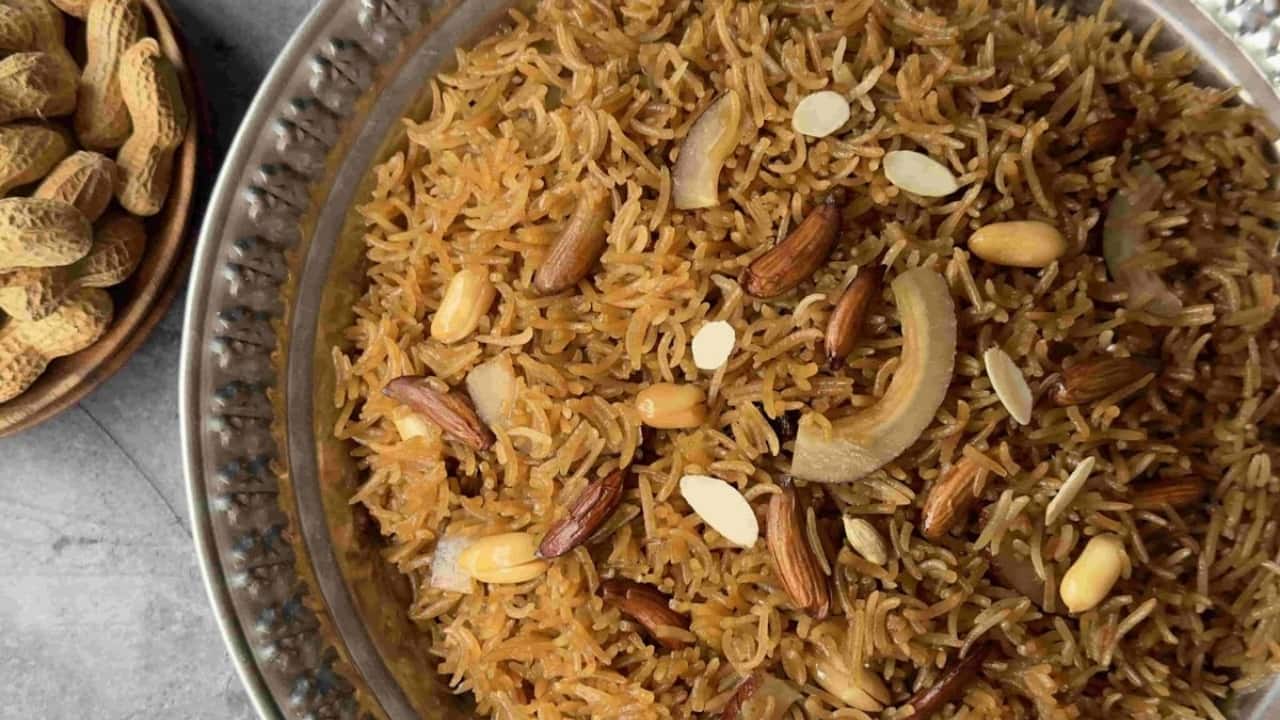 Image: Pinterest
A honey-laden stew of dried fruits, paneer, and foraged morel mushrooms, offering smoky flavour and warming medicinal benefits.
A labour-intensive mutton porridge, slow-cooked overnight to silky perfection, eaten at dawn for energy through cold winter days.
Sweet, deep-fried flatbreads of mashed sweet potatoes and jaggery, prepared during the winter harvest.
Bajra, ghee, and ginger combine in this warm medicinal porridge, traditionally used to combat the "winter blues" and respiratory discomfort.
Ethereal milk foam dessert, flavoured with saffron and silver leaf, prepared only in the peak winter mornings.
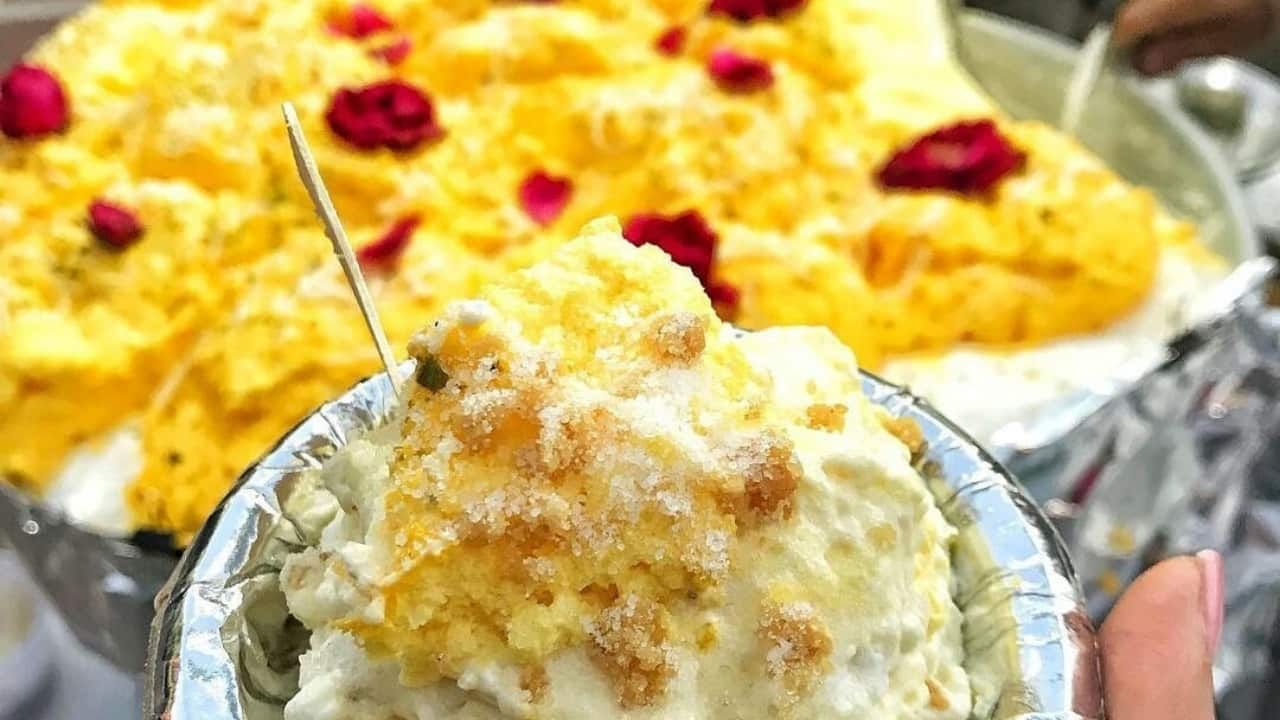 Image: Pinterest
Sun-dried summer vegetables like turnips, spinach, and tomatoes, cooked with smoked fish or meat into a deeply flavourful winter stew.
A spicy hyacinth bean gravy, requiring painstaking hand-peeling, making authentic versions rare today.
A dark, pungent curry of peppercorns and tamarind, historically prepared to ward off chest congestion during the monsoon-to-winter transition.
Winter was also when heavier grains found their moment. Bajra khichdi, smoky and comforting, used pearl millet — a grain known to generate internal heat. Served with ghee or curd, it was filling without taxing digestion.
Further south, ragi mudde played a similar role. High in calcium and fibre, ragi-based dishes ground the body and offered sustained energy. Leafy greens like sarson ka saag, paired with makki ki roti, thrived in the cold, delivering iron, fibre, and heartiness — nutrition perfectly attuned to the season.
Some desserts, like makhan malai, were fleeting by design. Milk foam collected during frosty nights creates a light, ethereal dessert that collapses at room temperature. Similarly, nolen gur payesh and black gajar halwa relied on seasonal ingredients — palm jaggery and deep-purple winter carrots — reminding us that not all food was meant for year-round consumption.
Winter eating today often mirrors the rest of the year: smoothies, salads, and supplements replacing slow-cooked meals. Yet these traditional dishes were built on a simple principle: eat with the season, and the body will follow.
They weren’t “superfoods” by label, but by function. They boosted immunity, aided digestion, and sustained energy when the body needed it most. Rediscovering them isn’t nostalgia; it’s remembering that food once worked with nature, not against it.
As winter unfolds, perhaps the real question isn’t which new foods to try, but which old, forgotten dishes we quietly left behind — and whether it’s time to bring them back to our plates.

Discover the latest Business News, Sensex, and Nifty updates. Obtain Personal Finance insights, tax queries, and expert opinions on Moneycontrol or download the Moneycontrol App to stay updated!
Find the best of Al News in one place, specially curated for you every weekend.
Stay on top of the latest tech trends and biggest startup news.