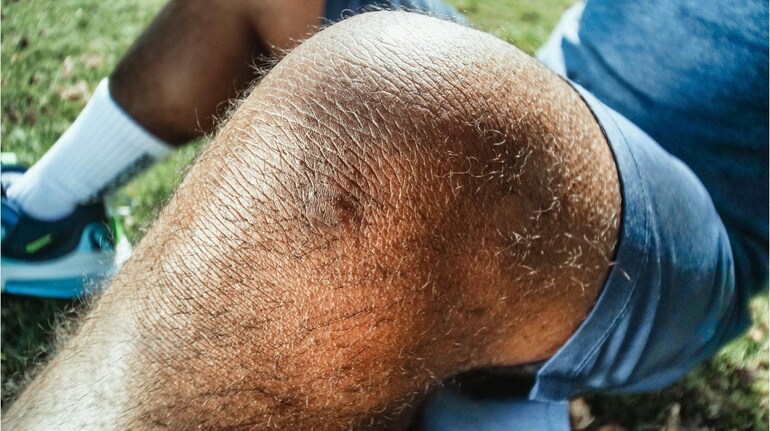
Acanthosis nigricans, a condition marked by thick, velvety, brown‑to‑black patches of skin, crops up chiefly on body folds like the neck, armpits, and groin. However, sometimes, it shows up on places like elbows, knees and even knuckles.
Acanthosis nigricans isn’t a skin disease per se, but a visible sign that the body’s metabolic machinery might need attention. It is frequently associated with insulin resistance, where the body’s response to its own insulin goes awry.
Some people assume that dark elbows are simply dirt or friction discolouration. However, if the elbow skin feels velvet‑like, appears suddenly, or spreads, it could be a sign that deserves careful attention.
Also read | Acne, eczema, psoriasis and more: Causes, symptoms and treatment tips for 13 common skin problems
Here are signs that must not be ignored:
Velvety, thickened patches: Not just darker, but with a distinct soft texture.
Brown to black discolouration: Most visible in body folds, but found on elbows and knees too.
Itchiness or odd odour: It is not always painful, but can be uncomfortable.
Sudden onset: When it appears quickly or spreads fast, it may signal an underlying serious health issue.
Also read | 9 pollution-driven skin problems, and how to repair them like a dermatologist
Insulin resistance and metabolic issues: Most frequently, acanthosis nigricans is a sign of the body’s cells not responding properly to insulin, a precursor to Type‑2 diabetes, especially in those who are overweight.
Obesity and lifestyle factors: Excess weight increases insulin demand, stimulating skin growth factors that lead to the characteristic thick patches.
Hormonal imbalances and medications: Conditions like polycystic ovary syndrome, thyroid disorders, and certain drugs like corticosteroids or birth control pills have been linked to Acanthosis nigricans.
Rare malignancy association: Sudden or rapidly spreading AN can, though uncommonly, be a sign of internal cancers, especially stomach cancer.
The risk factors include people with obesity or a high BMI and with a family history of diabetes or insulin resistance, and those on certain medications. Persons with rapid onset symptoms are also likely to develop this condition.
Lifestyle and dietary changes: Weight loss and balanced meals can lower insulin levels, often reducing pigmentation over time.
Gentle skin care : Mild exfoliation, moisturisers, and avoiding harsh soaps can make the skin feel more comfortable.
Topical treatments: Dermatologists sometimes recommend retinoids or keratolytic creams to soften tough patches, though these should be used under medical supervision.
Regular monitoring : Sudden changes or widespread darkening call for professional evaluation to rule out systemic causes.
1. What is Acanthosis Nigricans?
Acanthosis Nigricans is a skin condition characterized by thick, velvety, brown-to-black patches that usually appear in body folds like the neck, armpits, and groin.
2. What causes Acanthosis Nigricans?
It is often caused by insulin resistance, obesity, hormonal imbalances, certain medications, and, rarely, internal cancers like stomach cancer.
3. How can Acanthosis Nigricans be treated?
Treatment includes lifestyle changes like weight loss and dietary adjustments, gentle skin care, and topical treatments such as retinoids or keratolytic creams under medical supervision.
4. Are there any home remedies for Acanthosis Nigricans?
Yes, home remedies include losing weight, eating a balanced diet, using gentle skincare products, and mild exfoliation to make the skin more comfortable.
5. When should I see a doctor for Acanthosis Nigricans?
Seek medical advice if you notice sudden onset or rapid spreading of patches, as it may indicate an underlying serious health issue. Regular monitoring is recommended.
Disclaimer: This article, including health and fitness advice, only provides generic information. Don’t treat it as a substitute for qualified medical opinion. Always consult a specialist for specific health diagnosis.
Discover the latest Business News, Sensex, and Nifty updates. Obtain Personal Finance insights, tax queries, and expert opinions on Moneycontrol or download the Moneycontrol App to stay updated!
Find the best of Al News in one place, specially curated for you every weekend.
Stay on top of the latest tech trends and biggest startup news.