Back in the 90s, slimming meant cabbage soup diets, aerobics VHS tapes and a fair bit of guilt. Fast-forward to 2025, and weight loss has a far sleeker image—an injection, once a week, and the kilos quietly slip away. Or so social media would have us believe. Behind the filtered reels and dramatic before-and-after shots, doctors are urging a pause for reality.
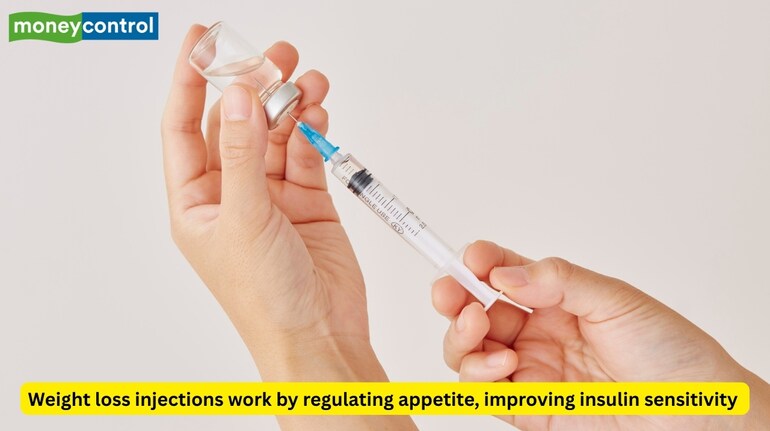
Weight-loss injections have surged in popularity across India, but new research makes one thing crystal clear: these are medical treatments, not beauty aids. “They work by regulating appetite, improving insulin sensitivity and correcting faulty hunger hormones,” explains Dt. Sonal Sureka, MSc in Dietetics and Applied Nutrition, Consultant at Practo. “Their real value lies in improving metabolic health—blood sugar, inflammation, fatty liver and heart risk—not in chasing a number on the scale.”
Crucially, not everyone qualifies. Current clinical guidelines recommend these injections for people with a BMI of 30 or above, or 27 and above when accompanied by metabolic conditions such as type 2 diabetes, PCOS with insulin resistance, hypertension or fatty liver disease. “Patients with genuine metabolic dysfunction respond far better than those using it purely for appearance,” Sureka notes. This distinction matters, because misuse can carry lasting consequences.
Doctors now agree that BMI alone tells only half the story—especially in Indians, who often develop metabolic disease at lower body weights. Before prescribing injections, clinicians assess waist size, blood sugar markers, cholesterol levels, blood pressure, liver and kidney health, medications and even pregnancy plans. “Comprehensive screening protects patients,” says Sureka. “It helps us identify who will truly benefit—and who shouldn’t be anywhere near these drugs.”
Also read: Are the eggs you eat for breakfast safe? Doctor says beware of this one substance
Evidence shows the biggest gains in adults with long-term obesity, obesity-related diabetes or prediabetes, women with PCOS and insulin resistance, and those at high cardiovascular risk. When combined with proper nutrition and strength training, these patients see sustained fat loss and improved metabolic health.
However, the injections are unsafe for pregnant or breastfeeding women, those planning pregnancy, people with a history of pancreatitis, certain thyroid cancers or severe digestive disorders. Individuals with eating-disorder histories or poor nutrient intake are also at higher risk of muscle loss, fatigue and hormonal disruption.
Online, weight-loss injections are sold as effortless and harmless. Medical reality says otherwise. “These medicines don’t replace food quality, protein intake, sleep or exercise,” Sureka stresses. “They only work safely when integrated into a structured health plan.”
Weight-loss injections can, therefore, be powerful, even life-changing, but only when used for the right reasons. Driven by trends and cosmetic pressure, they risk becoming yet another health fad with a heavy price. In 2025, science, not social media, should be calling the shots.
Also read: Doctor says these 3 medicines can save a heart attack patient
Q. What are weight loss injections?
They are prescription medications given by injection that help with weight loss by reducing appetite and improving blood sugar control.
Q. Who can use weight loss injections?
They are typically prescribed for adults with obesity or overweight with related health conditions, under medical supervision.
Q. How do they work?
Most weight loss injections work by mimicking hormones that control hunger, helping you feel full for longer.
Q. Are there any side effects?
Common side effects include nausea, vomiting, diarrhea, constipation, or fatigue, especially at the start.
Q. Are weight loss injections a permanent solution?
No, they work best alongside healthy eating, regular exercise, and lifestyle changes for long-term results.
Disclaimer: This article, including health and fitness advice, only provides generic information. Don’t treat it as a substitute for qualified medical opinion. Always consult a specialist for specific health diagnosis.
Discover the latest Business News, Sensex, and Nifty updates. Obtain Personal Finance insights, tax queries, and expert opinions on Moneycontrol or download the Moneycontrol App to stay updated!
Find the best of Al News in one place, specially curated for you every weekend.
Stay on top of the latest tech trends and biggest startup news.