






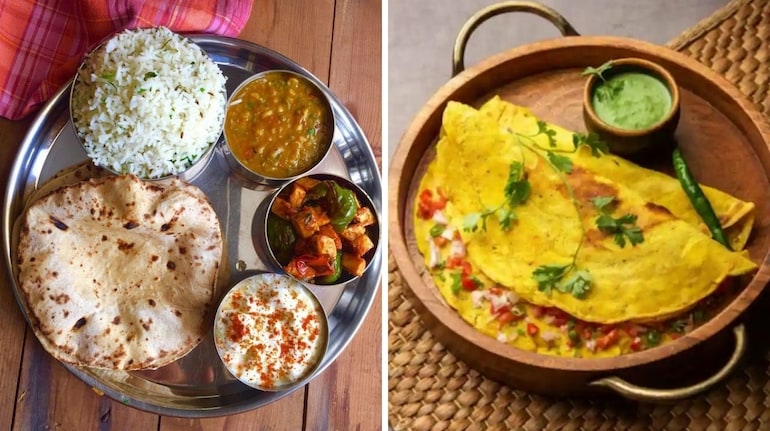

For most Indian households, dinner without roti or rice feels unthinkable. But for Akriti Goel, these staples became the first things she cut from her plate.
The 34-year-old’s unconventional health journey started at BITS Pilani, detoured through high-intensity start-up leadership roles and eventually landed her in medical school after she cleared NEET with an AIR of 1,118, as reported by India Today. Today, she studies at Hindu Rao Hospital in Delhi — and uses her platform to warn others about preventable lifestyle diseases.
And for almost ten years, her meals have looked nothing like the average Indian spread.
In an Instagram video posted on December 31, Akriti spoke candidly about why she eliminated flour and rice from her home.
“There’s no atta or rice in my kitchen,” she said and added, “I don’t want to get diabetes.”
Her motivation came early. Watching one family member after another develop diabetes shaped her conviction: if genes ran strong, lifestyle had to run stronger. So, long before she wore a white coat, she began rewriting her own trajectory with food.
Her swap was simple: replace wheat rotis and rice with moong dal chilla — a protein-rich lentil pancake she now eats nearly every day.
Akriti says it delivered benefits she wasn’t expecting:
It wasn’t a restriction, she stressed — it felt like upgrading fuel.
Also Read: These 7 rotis are more nutritious than wheat roti; Ayurveda expert shares benefits
Medical college is demanding, but Akriti insists she rarely feels drained — despite being older than most classmates.
“I have more energy than many of the 20-year-olds I study with,” she said.
Food wasn’t the only change. She pairs her eating style with consistent strength training — five days a week for a decade, something she treats as non-negotiable as any prescription.
She credits the combination for:
Akriti believes her personal intervention mirrors what millions may need.
India’s soaring rates of diabetes, hypertension and metabolic disorders, she argues, stem from decades of poor habits — not just genetics.
“We ignore our health in our 30s and 40s. By the time we hit our 50s and 60s, we’re living with chronic disease,” she said.
She is also careful to point out that eliminating rotis and rice isn’t a prescription for everyone. Food culture matters, she says — but so does awareness.
Instead of forbidding foods, she emphasises:
For her, the payoff is measured not in weight loss, but in quality of life — the ability to stay strong, mobile and independent as years pass.
Also Read: Nutritionist shares 10 high-protein foods that helped her lose 25 kg in just 4 months
What makes Akriti’s story compelling is that it rejects extremes:
Just years of tiny lifestyle choices — swapping dal for flour, and barbells for inertia — stacked together.
And, perhaps, a reminder that small, steady decisions can bend the arc of inherited risk — one meal and one workout at a time.
1. What are the nutritional benefits of moong dal chilla over rice and roti?
Moong dal chilla offers higher protein content, comparable fibre, and a lower glycaemic impact, which means fewer post-meal crashes.
2. How does moong dal chilla impact energy levels?
Akriti finds that this meal swap has provided her with more energy and stamina, even in demanding environments like medical school.
3. Can moong dal chilla help with blood sugar control?
Yes, its lower glycaemic index helps maintain steady blood sugar levels, reducing the risk of diabetes.
Disclaimer: This article, including health and fitness advice, only provides generic information. Don’t treat it as a substitute for qualified medical opinion. Always consult a specialist for specific health diagnosis.

Discover the latest Business News, Sensex, and Nifty updates. Obtain Personal Finance insights, tax queries, and expert opinions on Moneycontrol or download the Moneycontrol App to stay updated!
Find the best of Al News in one place, specially curated for you every weekend.
Stay on top of the latest tech trends and biggest startup news.





