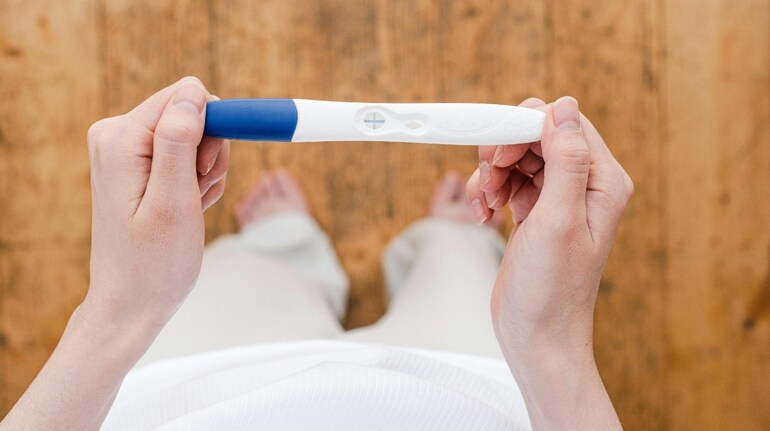

Do you remember the last time a headache or fever forced you into a cupboard hunt for that familiar tablet paracetamol? For many expectant mothers, the decision to take pain relief can cause extra worry, particularly in recent years, when claims have surfaced linking paracetamol use during pregnancy to developmental conditions such as autism and ADHD in children. However, the latest scientific research says that worry may have been misplaced.
Earlier narratives hinted at a possible connection between prenatal exposure to paracetamol (also known as acetaminophen) and later neurodevelopmental outcomes. That suggestion sparked anxiety and confusion among many families, especially those trying to do what was best for their unborn child. But a review of evidence published in The Lancet Obstetrics, Gynaecology & Women’s Health now shows that when taken as directed, paracetamol does not cause autism, ADHD or intellectual disability in offspring.
Scientists pooled data from 43 studies involving hundreds of thousands of children, including studies that compared siblings, an approach that helps isolate the effect of paracetamol from shared family genetics or environmental influences. Across these major analyses, researchers found no causal link between maternal paracetamol use and developmental disorders in children.
Also read | Anaemia is a common pregnancy complication, here’s how to avoid nutritional deficiencies
The review found no evidence that taking paracetamol during pregnancy increases the risk of autism, ADHD or intellectual disability.
Earlier studies that hinted at a link were limited by factors like small sample sizes, bias or failure to control for family genetics and shared environmental influences.
By comparing siblings where one pregnancy involved paracetamol exposure and another did not, researchers could more reliably rule out confounding variables, and still found no increased risk.
Also read | Gestational diabetes, miscarriage, other pregnancy complications: Symptoms you should watch out for
Some scientists now believe that associations previously seen between paracetamol and developmental conditions likely stemmed from underlying maternal factors such as fever, pain, inflammation or genetic predispositions — not the medication itself.
Because fever and uncontrolled pain during pregnancy carry their own dangers, including the risk of miscarriage, preterm birth or birth complications, trusted health guidance continues to recommend paracetamol as the first-line choice for safe pain and fever relief during pregnancy.
The study says that while it is entirely natural for parents-to-be to worry about every choice affecting their future child, taking paracetamol as directed in pregnancy is safe, and that concerns about autism or ADHD linked to its use are not supported by research.
Disclaimer: This article, including health and fitness advice, only provides generic information. Don’t treat it as a substitute for qualified medical opinion. Always consult a specialist for specific health diagnosis.
Discover the latest Business News, Sensex, and Nifty updates. Obtain Personal Finance insights, tax queries, and expert opinions on Moneycontrol or download the Moneycontrol App to stay updated!
Find the best of Al News in one place, specially curated for you every weekend.
Stay on top of the latest tech trends and biggest startup news.