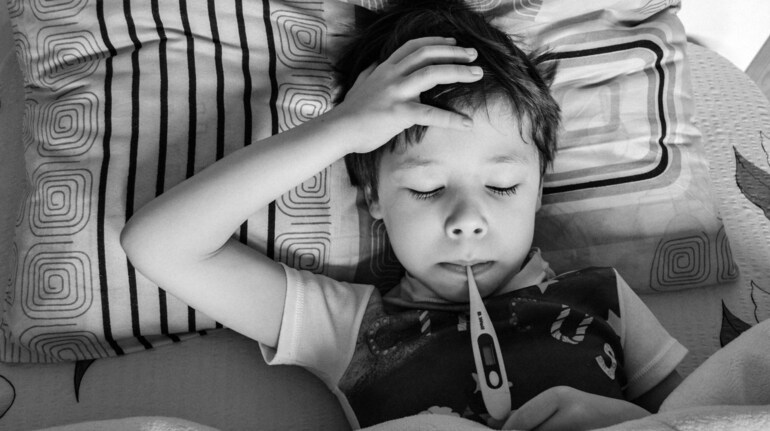

Every parent knows the fear of watching their toddler try a new food for the first time. One spoonful, one bite, and then the waiting begins. Is that rash normal? Was that cough always there? Food allergies in toddlers are becoming more visible, and understanding the early signs is now an essential part of modern parenting.
Food allergiesoccur when a child’s immune system mistakenly treats a harmless food protein as a threat. The reaction can range from a mild skin flare-up to a severe, life-threatening emergency. “In most cases, symptoms appear within minutes to two hours of eating the offending food,” says Dr Ravi Malik, MBBS, MD (Paediatrics), Founder and Medical Director, Malik Radix Healthcare. “That’s why timing is crucial when parents are trying to identify a trigger,” he adds.
Doctors now refer to the most common allergy-causing foods as the Big 9. These include milk, eggs, peanuts, tree nuts, soy, wheat, fish, shellfish and sesame. “Among toddlers, cow’s milk tops the list, followed closely by eggs. However, milk, eggs, wheat and soy allergies are often outgrown by early childhood. On the other hand, allergies to peanuts, tree nuts, fish and shellfish are more likely to persist into adulthood and tend to cause more severe reactions,” explains Dr Malik.
Also read | Symptoms of seasonal allergies in children: 10 essential things parents should know
Sesame, a relatively new addition to the list, has also raised concern due to its potential to trigger serious symptoms even in small amounts.
Food allergy symptoms in toddlers are not always dramatic. Many are subtle, scattered across different systems of the body, and easy to dismiss as common childhood issues.
Dr Malik shares the early signs parents often miss:
Skin reactions: Red, itchy bumps (hives), eczema flare-ups, facial swelling, redness or flushing. Toddlers may rub their eyes or face repeatedly.
Digestive troubles: Vomiting, stomach pain, cramps or diarrhoea shortly after eating.
Breathing and mouth symptoms: Runny or blocked nose, sneezing, itchy throat, coughing or complaints of a “funny feeling” in the mouth.
“These early signs are your body’s warning bells. Parents should never ignore patterns, even if the symptoms seem mild,” says Dr Malik.
Anaphylaxis is rarebut serious if untreated. It can affect multiple organs at once and demands immediate medical attention.
Breathing difficulties: Noisy breathing, hoarse voice, swollen throat or severe shortness of breath
Circulatory problems: Rapid or weak pulse, pale or bluish skin, dizziness or fainting
Behavioural changes: Sudden extreme irritability, lethargy, anxiety or a sense of distress
“If an epinephrine auto-injector has been prescribed, it must be used immediately. Delay can be dangerous,” stresses Dr Malik.
Here’s what parents should do next, suggests Dr Malik
Monitor keenly: Keep a food-and-symptom diary
See a doctor: Skin prick or blood tests can confirm allergies
Prepare for emergencies: Know how and when to use prescribed medication
Inform caregivers: Everyone involved in the child’s care must be aware
Dr Malik warns, “Never remove foods from a child’s diet based on suspicion alone. Unnecessary restriction can lead to nutritional deficiencies. Diagnosis must always come before action.”
1. What are the common symptoms of food allergies in toddlers?
Food allergies in toddlers can present as skin reactions, digestive issues, and breathing problems. Symptoms include red, itchy bumps, vomiting, diarrhea, runny or blocked nose, sneezing, and cough.
2. Which foods are most likely to cause allergies in children?
The most common allergy-causing foods include milk, eggs, peanuts, tree nuts, soy, wheat, fish, shellfish, and sesame. Milk and eggs are often outgrown, while peanut, tree nut, fish, and shellfish allergies may persist into adulthood.
3. What should parents do if they suspect their child has a food allergy?
Parents should monitor their child’s reactions and maintain a food-and-symptom diary. Consult a doctor for skin prick or blood tests to confirm allergies and learn how to handle emergencies with prescribed medication.
4. What is anaphylaxis and what are its symptoms?
Anaphylaxis is a severe allergic reaction affecting multiple organs, requiring immediate medical attention. Symptoms include noisy breathing, rapid pulse, dizziness, bluish skin, and sudden behavioural changes like extreme irritability or anxiety.
5. How can caregivers help manage a child's food allergies?
Caregivers must be informed about the child’s allergies, understand the symptoms, and know how and when to use prescribed medication. Properly prepared caregivers can prevent emergencies and ensure safe environments for allergic children.
Disclaimer: This article, including health and fitness advice, only provides generic information. Don’t treat it as a substitute for qualified medical opinion. Always consult a specialist for specific health diagnosis.
Discover the latest Business News, Sensex, and Nifty updates. Obtain Personal Finance insights, tax queries, and expert opinions on Moneycontrol or download the Moneycontrol App to stay updated!
Find the best of Al News in one place, specially curated for you every weekend.
Stay on top of the latest tech trends and biggest startup news.