







Holi, the festival of colours, often leaves skin stressed and vulnerable after exposure to synthetic dyes, sun, and repeated washing. Harsh scrubbing and dehydration weaken the skin barrier, causing redness, irritation, dryness, and breakouts.
Without gentle aftercare, skin may appear dull, sensitive, and uneven for days. Shailja Kashyap, Founder of Mamash Organics, a hormone-safe brand rooted in Intelligent Ayurveda, tells Moneycontrol, “After Holi, skin is usually overheated, tight, irritated, or stained from colours and excessive scrubbing. In Ayurveda, the focus is always on calming and cooling first. Classical texts like the Charaka Samhita describe simple, accessible ingredients that help restore balance.”
She adds, “Ksheera (cow’s milk) is known for its cooling and softening qualities, making it helpful when skin feels stripped. Madhu (honey) has traditionally been used to support skin recovery, especially when there is mild surface irritation. A small amount of Ghrita (ghee) can also provide comfort when dryness and tightness indicate a weakened skin barrier.”
Also read | Holi 2026 skincare tips: Best guide to protecting your skin before and after Holi
For continued recovery, she suggests keeping the approach gentle. “Ayurveda recommends herbs that cool and restore complexion. Raktachandan (red sandalwood) is traditionally valued for relieving heat and calming redness, while Yashtimadhu (licorice) is part of the classical Varnya group known for supporting clarity and brightness of the skin. The approach is not aggressive correction, but gentle cooling, nourishment, and allowing the skin to return to balance naturally,” Kashyap notes.
Kashyap shares how to use these Ayurvedic ingredients for post Holi skincare:
Ksheera (Cow’s milk): Soak cotton pads in cold milk and place them over the face for 3–5 minutes before rinsing with cool water. Use it to cure redness, tightness, and sensitivity.
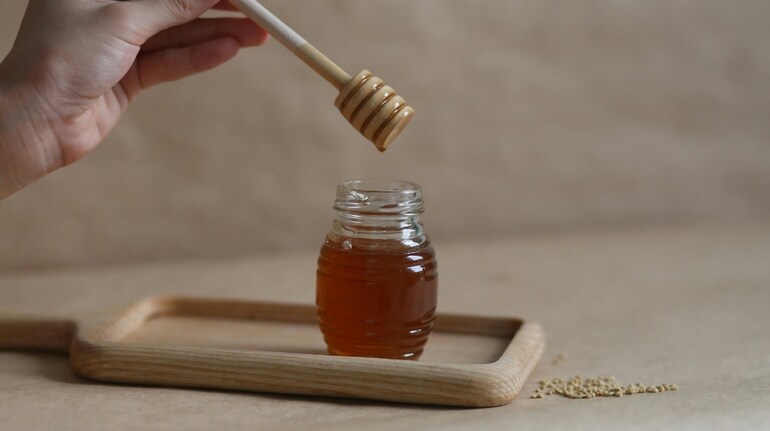
Madhu (Honey): Apply a thin layer of honey to irritated areas and leave for 5–8 minutes. Rinse gently with water. It is the best cure for roughness, patchy irritation. “However, avoid using on actively infected or oozing lesions.”
Also read | Holi 2026: Protect your hair and skin with the health benefits of coconut vs almond vs mustard oils
Ghrita (Ghee): Warm 1–2 drops between your fingers and gently press onto damp skin at night. It is a good remedy for dryness and post-wash tightness. “If acne-prone, restrict use to visibly dry patches only.” she warns.
Raktachandan (Red sandalwood): Mix ¼ teaspoon of powder with cold milk or rose water. Apply a thin layer for 5–7 minutes and rinse with cool water. Helps soothe heat, redness, burning sensation.
Yashtimadhu (Licorice): Blend ¼ teaspoon powder with milk or water into a thin paste. Apply for 6–8 minutes before rinsing. It is best for redness combined with dullness, supporting recovery and natural brightness.
Disclaimer: This article, including health and fitness advice, only provides generic information. Don’t treat it as a substitute for qualified medical opinion. Always consult a specialist for specific health diagnosis.
Discover the latest Business News, Sensex, and Nifty updates. Obtain Personal Finance insights, tax queries, and expert opinions on Moneycontrol or download the Moneycontrol App to stay updated!
Find the best of Al News in one place, specially curated for you every weekend.
Stay on top of the latest tech trends and biggest startup news.





