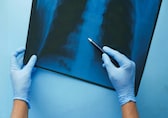
Lung cancer is a serious disease that begins in the lungs, the primary organs for breathing. It occurs when abnormal cells in the lung grow uncontrollably, forming tumors that can interfere with normal lung function. In a study published by The Lancet, it was observed that lung cancer is detected in Indians at an earlier age, with the average Indian suffering from lung cancer being at least ten years younger than individuals in the West. This disease not only affects smokers but also non-smokers.
According to Delhi-based pulmonologist Arvind Kumar, lung cancer is classified into two main types: non-small cell lung cancer (NSCLC), the most common, and small cell lung cancer (SCLC), which tends to grow and spread more rapidly. Early detection through screenings can improve treatment outcomes, which may include surgery, chemotherapy, radiation therapy, and targeted drug therapies.
Lung cancer is a serious disease with several contributing factors, says Kumar. Here are six key factors and prevention strategies.
Factors contributing to lung cancer other than smoking are
Radon gas
Cause: Radon is a naturally occurring radioactive gas that can accumulate in homes and buildings, leading to increased lung cancer risk.
Prevention: Test your home for radon levels and use mitigation systems if necessary.
Asbestos exposure
Cause: Asbestos fibres, when inhaled, can cause lung cancer and mesothelioma.
Prevention: Avoid exposure to asbestos in workplaces and homes. Use protective equipment if working in environments with asbestos.
Air pollution
Cause: Long-term exposure to polluted air, including industrial emissions and vehicle exhaust, can increase lung cancer risk.
Prevention: Advocate for clean air policies, reduce exposure to outdoor air pollution, and use air purifiers indoors.
Genetic factors
Cause: A family history of lung cancer can increase the risk due to inherited genetic mutations.
Prevention: While genetic factors cannot be changed, regular screenings and a healthy lifestyle can help manage risk.
Occupational hazards
Cause: Exposure to carcinogens like arsenic, diesel exhaust, and certain chemicals at work can elevate lung cancer risk.
Prevention: Follow occupational safety guidelines, use protective gear, and ensure proper ventilation in the workplace.
Personal health history
Cause: Previous lung diseases, such as chronic obstructive pulmonary disease (COPD), and a history of radiation therapy to the chest can increase lung cancer risk.
Prevention: Manage existing lung conditions, avoid smoking, and discuss your health history with your doctor to monitor for lung cancer.
Prevention strategies
Healthy diet: Eat a diet rich in fruits and vegetables to support overall lung health.
Regular exercise: Engage in regular physical activity to maintain a healthy weight and improve lung function.
Screenings: For high-risk individuals, such as long-term smokers, regular screenings like low-dose CT scans can help detect lung cancer early.
Education and awareness: Increase awareness about the risks and preventive measures of lung cancer to encourage proactive health management.
By understanding these factors and implementing preventive measures, the risk of lung cancer can be significantly reduced.
Discover the latest Business News, Sensex, and Nifty updates. Obtain Personal Finance insights, tax queries, and expert opinions on Moneycontrol or download the Moneycontrol App to stay updated!
Find the best of Al News in one place, specially curated for you every weekend.
Stay on top of the latest tech trends and biggest startup news.