
Anaemia is one of the greatest health challenges facing India, affecting not just rural or low-income households but also the urban population. Fatigue, low immunity, poor focus, and hair fall are some of the symptoms people live with, often without realising they are linked to everyday iron gaps.
For decades, people have relied on iron supplementation, including iron tablets, syrups, and gummies. While these play a crucial role in cases of acute deficiency, they are not a lifelong fix.
Prateek Rastogi, Co-Founder & CEO of Better Nutrition, said, “Supplements often face challenges, such as inconsistent compliance, stomach discomfort, poor absorption when taken with dairy or tea, and dosage dependency. This is where a quieter, more sustainable solution is gaining ground in the form of biofortified foods.” Here’s what it means, why it’s important, and how it’s become more accessible for everyone…
Biofortification starts not in factories, but in farms. Through better seed genetics and soil practices, crops like wheat, rice, millets and pulses are grown to naturally contain higher iron and other essential micronutrients. The iron isn’t added later, it’s built into the grain itself as it grows.
Because iron from food is absorbed differently from supplements. When iron is consumed as part of a natural food matrix, along with fibre, carbohydrates, and supporting minerals, absorption tends to be steadier and better regulated by the body. It reaches the bloodstream gradually, without the sharp spikes or side effects often associated with pills.
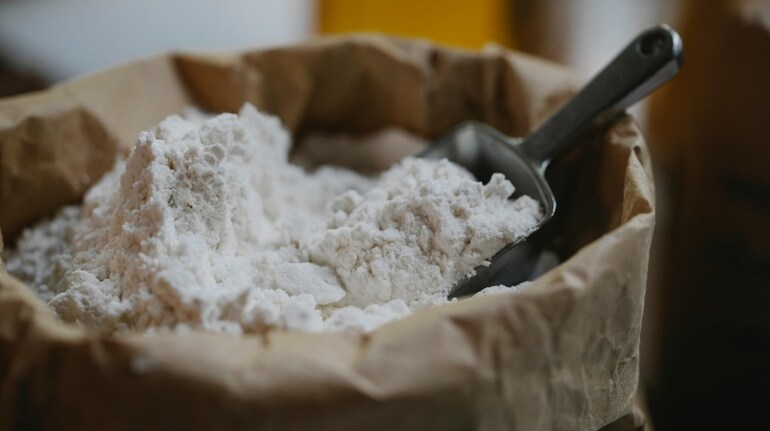
What’s changed recently is access. Biofortified staples are no longer limited to research trials or government programmes. Today, a simple search for “biofortified atta” or “iron-rich flour” on quick commerce platforms shows multiple options available for daily consumption, just like any other staple.
There’s also a broader advantage. Biofortified crops don’t just deliver iron, many are richer in zinc, calcium, magnesium, and other micronutrients that work together in improving overall nutritional status. This makes them fundamentally different from isolated fortification or trend-driven “health” products.
Also Read: Iron-deficiency symptoms: 10 easy diet tips to increase iron level naturally
Supplements will always have their place, especially in clinical care. But as India looks to reduce anaemia at scale, better seeds feeding better food serves as practical, long-term defence, which fits seamlessly into modern urban life. Sometimes, the most effective nutrition solution is choosing the right grain.
What is biofortification?
Biofortification starts not in factories, but in farms. Through better seed genetics and soil practices, crops like wheat, rice, millets, and pulses are grown to naturally contain higher iron and other essential micronutrients. The iron isn’t added later; it’s built into the grain itself as it grows.
Why does this matter?
Because iron from food is absorbed differently from supplements. When iron is consumed as part of a natural food matrix, along with fibre, carbohydrates, and supporting minerals, absorption tends to be steadier and better regulated by the body. It reaches the bloodstream gradually, without the sharp spikes or side effects often associated with pills.
How have access to biofortified foods increased?
What’s changed recently is access. Biofortified staples are no longer limited to research trials or government programmes. Today, a simple search for “biofortified atta” or “iron-rich flour” on quick commerce platforms shows multiple options available for daily consumption, just like any other staple.
What are the broader advantages of biofortified crops?
Biofortified crops don’t just deliver iron; many are richer in zinc, calcium, magnesium, and other micronutrients that work together in improving overall nutritional status. This makes them fundamentally different from isolated fortification or trend-driven “health” products.
Discover the latest Business News, Sensex, and Nifty updates. Obtain Personal Finance insights, tax queries, and expert opinions on Moneycontrol or download the Moneycontrol App to stay updated!
Find the best of Al News in one place, specially curated for you every weekend.
Stay on top of the latest tech trends and biggest startup news.