






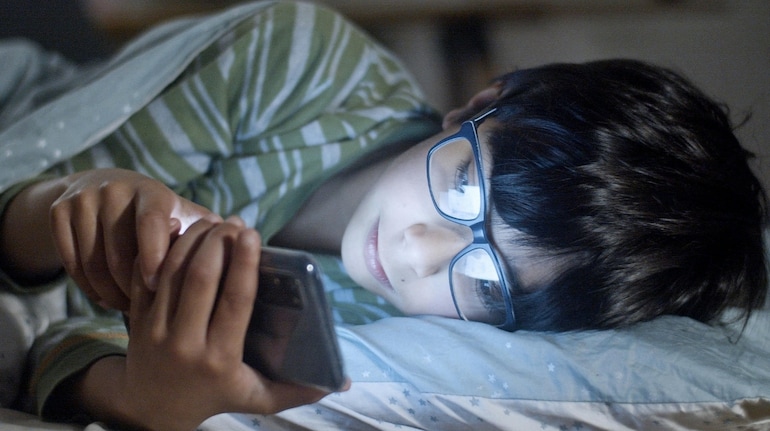

Smartphones are ubiquitous in the times we live in. They deeply influence the way we communicate, socialise, work, and unwind, making them an integral part of our lives. They have gone beyond being mere tools and now determine the way we feel, behave, and even pay attention to things.
As these digital devices have become an inescapable part of our everyday lives, there has been a critical shift: what was once discussed as “screen time” is now better understood as patterns of use that can resemble behavioural addiction. Research increasingly shows that harm is driven not by how long we use screens, but by how intensely, compulsively, and emotionally we engage with them.
According to Tanushri Talekar, Consultant Psychologist & Psychotherapist at Samarpan Health, “Two people can spend four hours on their phones every day, yet their digital experiences can be really different. One person may use their phone for things that are good for them, like doing work, learning new things or making something creative. On the other hand, the other person may keep checking their apps over and over again because they are feeling anxious or bored.”
Also read | Did Virat Kohli take a break from Instagram? 5 benefits of digital detox
Thus, digital behaviour is what we need to look at, not the time we spend online. “Addiction is not defined by duration; it is characterised by loss of control, compulsive engagement, and disruption to daily functioning,” she added.
This distinction is particularly relevant in India, where average daily screen use across devices has reached 6 hours and 37 minutes.
Problematic screen use reveals itself through behavioural andemotional signalsrather than numbers. “Common indicators include compulsive checking without conscious intent, persistent preoccupation with online interactions, irritability or anxiety when devices are inaccessible, and neglect of offline responsibilities or relationships. Many individuals also use screens for emotional regulation, using social media to cope with stress or low mood,” Tanushri noted.
Also read | Digital detox: Why taking a break from screens with meditation is the mental reset you may need
Social media is a part of our lives, as well as a problem. Tanushri said, “The people who create these platforms and formulas are trying to keep our attention. Therefore, we keep doom-scrolling. For many, social media helps boost self-esteem and so they end up spending a lot of time on it.”
Indian users spend an average of 17 hours per week on social media, exceeding usage levels in the United States and China, and many report anxiety when separated from their devices. “This reflects emotional reliance rather than simple habit, positioning screens as default spaces for connection and coping, often at the expense of offline relationships and well-being,” she added.
The consequences of such engagement are increasingly evident. “Physically, intense screen engagement is associated with digital eye strain, headaches, musculoskeletal discomfort, and disrupted sleep,” Tanushri said.
Indian research on mobile phone use and sleep disturbances indicates that adolescents and young adults using smartphones for more than a few hours daily were significantly more likely to report poor sleep, with females showing greater vulnerability.
Ultimately, total hours can be misleading. Six hours spent on focused work or learning does not carry the same risk as three hours of fragmented, compulsive checking that disrupts sleep, attention, and emotional balance. Intensity, frequency, purpose, and emotional triggers offer a clearer understanding of digital harm than any stopwatch.
According to Tanushri, screen-use dashboards can help individuals recognise behavioural patterns, while practices such as mindful checking, scheduled breaks, and tech-free spaces foster healthier boundaries. Screens themselves are neither inherently harmful nor beneficial.
Their impact depends on how they are integrated into daily life. Shifting the focus from hours to habits, from quantity to quality, allows individuals and communities to preserve the benefits of technology while protecting mental health in an increasingly connected world.
What is screen addiction?
Screen addiction refers to compulsive and uncontrolled engagement with digital devices, impacting daily functioning and emotional well-being.
How can you recognize screen addiction?
Indicators include compulsive checking, preoccupation with online interactions, anxiety when devices are inaccessible, and neglect of offline responsibilities.
Why is social media a significant factor in screen addiction?
Social media platforms are designed to capture attention, leading to prolonged engagement. This often results in emotional dependence and reduced offline interactions.
What are the effects of prolonged social media use?
Prolonged use can cause physical issues like eye strain, headaches, and poor sleep. It also disrupts attention, emotional balance, and daily functioning.
How can you manage screen addiction?
Using screen-use dashboards, setting scheduled breaks, creating tech-free spaces, and practicing mindful checking can help establish healthier digital habits.
Disclaimer: This article, including health and fitness advice, only provides generic information. Don’t treat it as a substitute for qualified medical opinion. Always consult a specialist for specific health diagnosis.
Discover the latest Business News, Sensex, and Nifty updates. Obtain Personal Finance insights, tax queries, and expert opinions on Moneycontrol or download the Moneycontrol App to stay updated!
Find the best of Al News in one place, specially curated for you every weekend.
Stay on top of the latest tech trends and biggest startup news.





